What Are Dental Veneers Commonly Made From?

If you’re researching What Are Dental Veneers Commonly Made From, you’re likely considering a smile upgrade and want to understand your options before making a decision. Many patients exploring Dental Veneers in Dubai seek reliable information about materials, durability, and appearance before booking a consultation. Reputable aesthetic centers such as Dynamic Clinic in Dubai often guide patients through veneer material choices based on lifestyle, cosmetic goals, and oral health needs.
Understanding Dental Veneers
Dental veneers are ultra-thin shells bonded to the front surface of teeth to enhance shape, color, alignment, and overall appearance. They are custom-crafted to match the surrounding teeth, making them a popular cosmetic dentistry solution in Dubai’s image-conscious environment. Veneers are typically recommended for concerns such as discoloration, chipped teeth, small gaps, or uneven edges.
The material used plays a major role in the final look, strength, and longevity of the veneers.
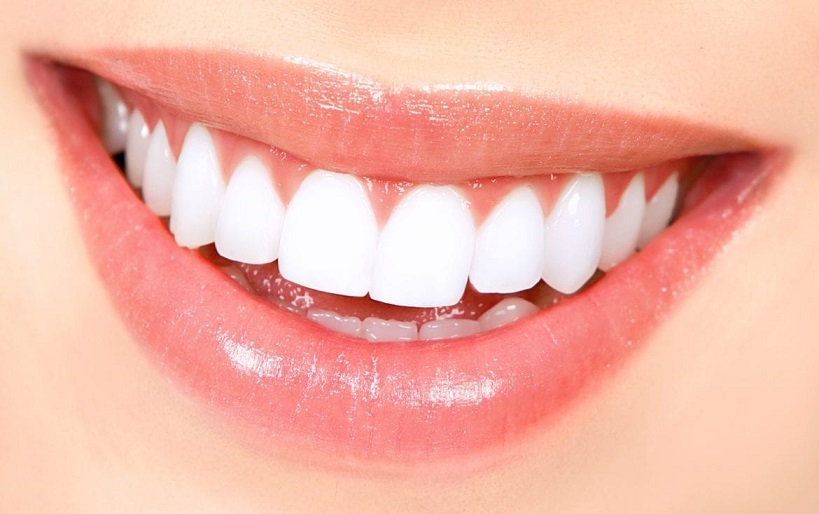
Porcelain Veneers
Porcelain is one of the most commonly used materials for dental veneers worldwide.
Why Porcelain Is Popular
Highly resistant to stains
Mimics the light-reflecting properties of natural enamel
Durable and long-lasting
Custom-shaded for natural appearance
Porcelain veneers are crafted in a dental laboratory using high-quality ceramic materials. They are known for their ability to replicate the translucency and texture of real teeth, which makes them ideal for patients seeking a natural yet refined look. In Dubai’s climate, where lifestyle habits may include coffee, tea, and other staining beverages, porcelain’s stain resistance is a significant advantage.
Because porcelain is strong and stable, it is often recommended for patients looking for long-term aesthetic improvement.
Composite Resin Veneers
Composite resin is another material commonly used for dental veneers, offering a more conservative approach in certain cases.
Key Features of Composite Veneers
Applied directly to the tooth surface
Typically completed in fewer visits
Easier to repair if chipped
Requires less enamel removal in some cases
Composite veneers are sculpted directly onto the teeth and shaped by the dentist before being hardened with a special light. This method allows for immediate adjustments and refinements. While composite resin may not be as stain-resistant as porcelain, it can still provide attractive results when maintained properly.
For some patients in Dubai seeking quicker aesthetic improvements, composite veneers can be a practical option depending on their dental condition.
Lumineers and Ultra-Thin Veneers
Some modern veneers are made from advanced ceramic materials designed to be thinner than traditional porcelain.
These ultra-thin veneers are:
Designed to require minimal tooth preparation
Lightweight yet durable
Customized for precise fit
Because they are thinner, they may preserve more of the natural tooth structure. However, suitability depends on tooth alignment, color, and bite. Not every patient is a candidate, which is why proper assessment is essential before proceeding.
How Material Choice Affects Results
When asking what dental veneers are commonly made from, it’s important to understand how materials influence performance. The selection between porcelain, composite resin, or ultra-thin ceramics depends on:
Desired level of brightness
Bite strength and grinding habits
Existing tooth structure
Long-term maintenance preferences
Porcelain generally offers superior longevity and stain resistance, while composite resin may allow for quicker modifications. Ultra-thin veneers appeal to those who prefer minimal alteration to natural teeth.
Patients considering Dental Veneers in Dubai often prioritize a balance between aesthetics and durability, especially given social and professional expectations in the region.
Safety and Biocompatibility
Modern dental veneer materials are developed to be biocompatible and safe for oral tissues. High-grade ceramics and composite resins are designed to bond securely without harming surrounding gums or enamel when placed correctly. Proper hygiene and routine dental visits remain essential to maintain gum health and veneer integrity.
Conclusion
Understanding What Are Dental Veneers Commonly Made From helps patients make informed decisions about their cosmetic dental journey. Porcelain, composite resin, and advanced ultra-thin ceramics each offer distinct advantages depending on individual goals and oral conditions. For individuals exploring Dental Veneers in Dubai, selecting the appropriate material ensures both aesthetic satisfaction and long-term confidence in their smiles.