What Are The Key Principles Of DHI Direct Hair Implant?

Understanding what are the key principles of DHI Direct Hair Implant helps patients make informed decisions about modern hair restoration methods that prioritize precision and natural outcomes. The technique has gained strong attention for its refined approach to follicle handling and implantation. In particular, DHI Direct Hair Implant in Dubai has become widely discussed among individuals seeking advanced solutions in a medically regulated environment, with facilities such as Dynamic Life Clinics contributing to awareness through patient education and clinical transparency.
Precision-Based Follicle Extraction
One of the central principles of DHI is the selective extraction of healthy hair follicles from the donor area. Instead of removing large sections of tissue, the method focuses on harvesting individual grafts while preserving surrounding follicles. This careful selection process supports:
Stronger graft survival rates
Reduced trauma to the donor zone
More uniform hair density after implantation
By isolating follicles that are genetically resistant to hair loss, the procedure builds a stable foundation for long-term growth.
Direct Implantation Without Channel Creation
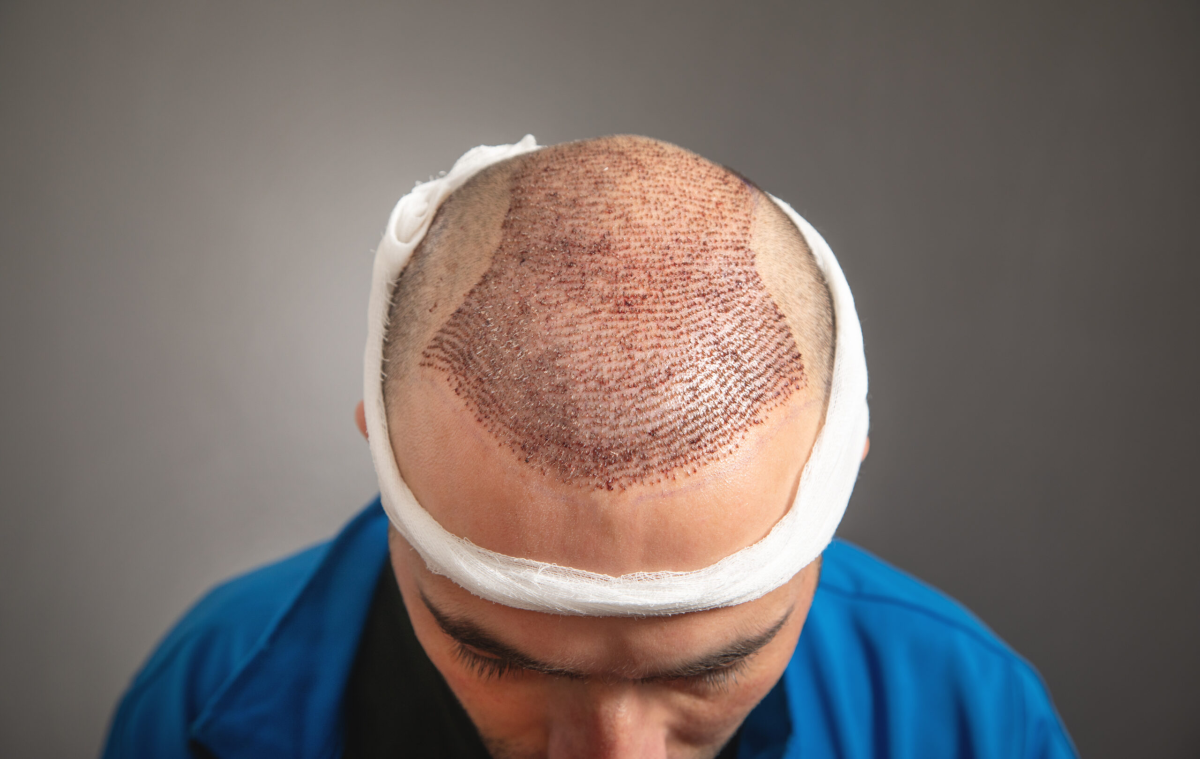
A defining characteristic of DHI is the absence of pre-made recipient channels. Traditional methods often involve creating incisions before placing grafts, whereas DHI uses a specialized implantation tool to insert follicles directly into the scalp. This principle allows simultaneous control over:
Depth of placement
Angle of growth
Direction of each strand
The ability to implant and position grafts in one step helps achieve a natural hair pattern that blends with existing hair.
Controlled Handling of Grafts
Minimizing the time that follicles remain outside the body is a critical factor in DHI methodology. The shorter the exposure, the better the chances of graft survival. The process emphasizes:
Immediate loading of follicles into the implantation device
Reduced manual contact with graft roots
Maintenance of optimal hydration and temperature
This controlled handling environment supports healthier follicles and improves the likelihood of consistent growth.
Natural Hairline Design
A realistic hairline is not created through density alone but through thoughtful placement that reflects natural growth patterns. DHI principles focus on:
Irregular hairline geometry rather than straight lines
Gradual transition from fine to thicker hairs
Strategic spacing to mimic natural distribution
This artistic and anatomical planning is especially important for patients who want results that remain undetectable in everyday settings.
Density Planning and Coverage Strategy
DHI is often associated with high-density implantation because of the precision of the implantation tool. However, density planning is guided by scalp condition, donor capacity, and long-term hair loss patterns. Key considerations include:
Even distribution to avoid patchy growth
Preservation of donor resources for future sessions
Balancing density with natural scalp visibility
This strategic approach ensures that the outcome looks full without compromising future treatment options.
Scalp Health and Pre-Procedure Assessment
Before any graft is extracted, a detailed evaluation of the scalp and hair characteristics is essential. This principle involves assessing:
Hair thickness and texture
Degree of hair loss progression
Scalp elasticity and circulation
Patients in Dubai often seek procedures that align with dermatological safety standards, making thorough pre-treatment analysis a core part of responsible practice.
Minimally Invasive Technique
DHI is designed to reduce tissue trauma through micro-sized instruments and controlled implantation depth. The minimally invasive nature of the technique supports:
Faster healing of both donor and recipient areas
Lower risk of visible scarring
Reduced post-procedure discomfort
Smaller extraction points also contribute to a cleaner appearance in the donor zone, even with shorter hairstyles.
Hygiene and Sterile Workflow
Strict hygiene protocols form a foundational principle of DHI. Each step is performed within a controlled clinical environment where sterile instruments and single-use components are prioritized. This structured workflow helps:
Lower the risk of infection
Protect graft integrity
Maintain consistent procedural quality
Adherence to international sterilization standards is particularly relevant in regions known for regulated healthcare practices.
Angulation and Direction Control
Hair does not grow in a uniform direction across the scalp, and replicating this variation is essential for natural results. DHI implantation tools allow practitioners to adjust the angle of each graft according to the anatomical zone:
Forward angles in the frontal region
Variable orientation in the mid-scalp
Layered direction in the crown
This micro-level control ensures that new growth aligns seamlessly with existing hair patterns.
Reduced Bleeding and Faster Recovery
Because the implantation process is precise and avoids large incisions, there is typically less bleeding during the procedure. This principle contributes to:
Clearer visibility during implantation
Lower swelling in surrounding tissue
Quicker return to daily routines
A faster recovery timeline is often a key consideration for individuals balancing professional and social commitments.
Long-Term Growth Planning
DHI is not limited to immediate cosmetic improvement. The technique is structured around long-term hair stability by preserving donor supply and planning for progressive hair loss. This forward-looking approach includes:
Conservative graft usage
Anticipation of future thinning areas
Maintenance of natural density over time
Such planning supports results that remain consistent as hair loss patterns evolve.
Conclusion
The key principles of DHI Direct Hair Implant center on precision, controlled follicle handling, natural hairline design, and minimally invasive implantation techniques that prioritize graft survival and realistic growth patterns. With its emphasis on hygiene, density planning, and long-term scalp health, the method reflects a refined approach to hair restoration that aligns with modern clinical standards and patient expectations in medically regulated environments.