What Are The Risks Of Hair Transplant Surgery?

Hair transplant surgery has become one of the most popular cosmetic procedures for those experiencing hair thinning or baldness. With advanced techniques like Follicular Unit Extraction (FUE) and Follicular Unit Transplantation (FUT), patients can achieve natural-looking results. However, like any surgical procedure, it comes with certain risks and considerations. If you are looking for Hair Transplant in Islamabad, it is crucial to understand both the benefits and the potential complications before proceeding.This FAQ guide aims to provide a clear overview of the risks associated with hair transplant surgery, helping you make an informed decision.
What Are the Common Side Effects of Hair Transplant Surgery?
Hair transplant surgery, although generally safe, can have several side effects that are usually temporary:
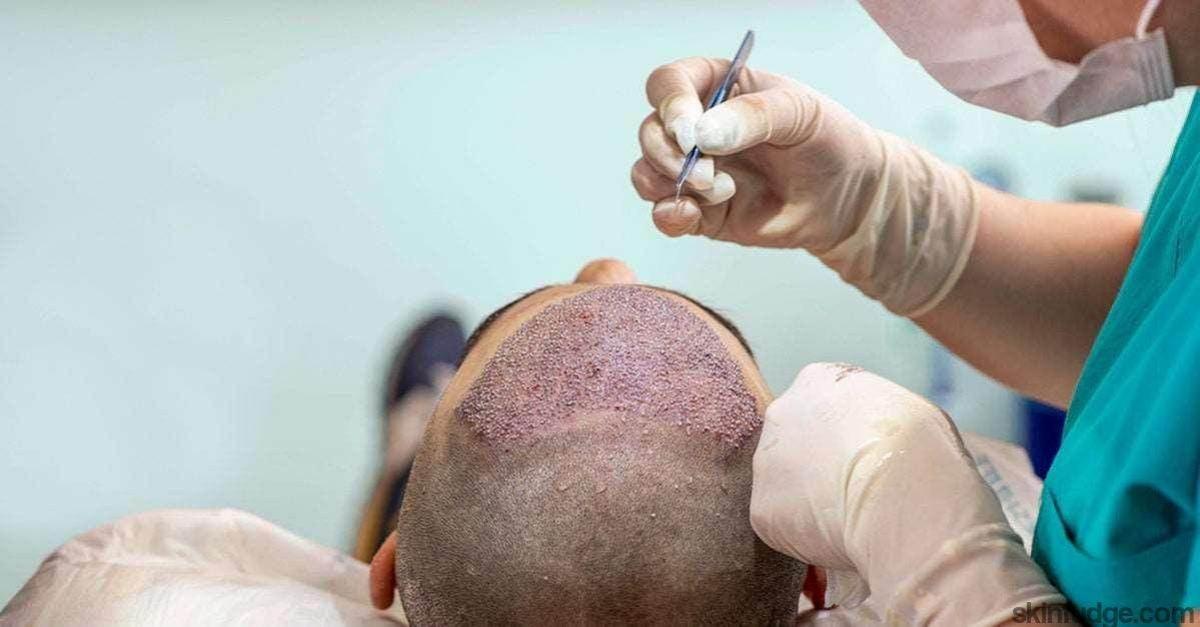
Swelling and redness: Most patients experience swelling around the forehead and scalp, which typically subsides within a few days.
Pain or discomfort: Mild pain at the donor or recipient site can occur, which is manageable with over-the-counter pain medication.
Scabbing and crusting: Tiny scabs form around the transplanted hair follicles and usually heal within a week.
Itching: As the scalp heals, itching is common but should not be scratched to avoid infection.
While these side effects are common, they are generally not serious and resolve within 7–10 days.
Can Hair Transplants Cause Scarring?
Yes, scarring is a potential risk, but the type and visibility of scars depend on the technique used:
Technique
Scar Type
Visibility
Recovery
FUE (Follicular Unit Extraction)
Tiny dot-like scars
Minimal, usually undetectable with short hair
Heals in 7–10 days
FUT (Follicular Unit Transplantation)
Linear strip scar at donor site
More noticeable if hair is kept very short
Heals in 10–14 days
FUE is generally preferred for patients concerned about visible scars, while FUT may be suitable for larger sessions with dense grafts.
Is There a Risk of Infection After a Hair Transplant?
Infection is rare but possible. A clean surgical environment, proper sterilization of instruments, and adherence to post-operative care instructions significantly reduce the risk. Signs of infection include:
Redness and warmth around the transplant site
Swelling that worsens after a few days
Pus discharge
Fever
If any of these symptoms appear, prompt consultation with your surgeon is essential. Doctors usually prescribe antibiotics prophylactically to prevent infections.
Can Hair Transplant Surgery Lead to Hair Loss or Poor Growth?
Yes, hair transplant surgery carries a small risk of unsuccessful grafting. Factors affecting the growth of transplanted hair include:
Poor blood supply to the scalp
Improper handling of hair follicles
Smoking, alcohol consumption, or certain medications
Underlying health conditions such as diabetes
Some patients may experience shock loss, a temporary shedding of transplanted or existing hair. This is usually temporary, and hair typically regrows within 2–4 months.
Reviews
Many patients who have undergone hair transplant procedures in Islamabad report high satisfaction rates, though experiences vary:
“I had FUE hair transplant, and the results after six months are amazing. Minimal discomfort and hardly any scarring.”
“I experienced mild swelling and itching for a few days, but the staff guided me well, and the recovery was smooth.”
“The initial shock loss worried me, but my hair grew back fuller. Overall, a worthwhile investment.”
Patient reviews emphasize that choosing a qualified and experienced surgeon greatly reduces the risks and improves the chances of a successful outcome.
Are There Any Long-Term Risks of Hair Transplant Surgery?
Long-term risks are relatively uncommon but can include:
Permanent scarring: Especially in FUT, if a linear scar does not heal well.
Uneven hair growth: Some grafts may grow at different angles, causing an unnatural look.
Cysts: Tiny cysts can form around grafts, usually disappearing with minor treatment.
Need for additional sessions: To achieve desired density, multiple procedures may be required.
Proper planning and consultation with an experienced surgeon help mitigate these long-term concerns.
Who Should Avoid Hair Transplant Surgery?
Hair transplant surgery may not be suitable for everyone. Individuals who may face higher risks include:
Patients with autoimmune disorders
Those with uncontrolled diabetes or cardiovascular issues
Individuals with insufficient donor hair
Patients with unrealistic expectations
A thorough medical evaluation prior to surgery ensures the best outcomes and reduces potential complications.
How Can Risks Be Minimized During Hair Transplant Surgery?
Taking preventive measures can significantly lower risks:
Choose a qualified surgeon: Look for experience, certifications, and patient testimonials.
Follow pre-op instructions: Avoid smoking, alcohol, and certain medications.
Post-operative care: Keep the scalp clean, avoid direct sun exposure, and follow your surgeon’s advice for shampooing and handling the transplanted area.
Monitor for complications: Report any unusual pain, swelling, or signs of infection immediately.
Following these steps can reduce both short-term and long-term complications.
Quick Facts About Hair Transplant Risks
Risk Type
Likelihood
Duration
Management
Swelling/Redness
Common
Few days
Cold compress, mild painkillers
Infection
Rare
1–2 weeks
Antibiotics, medical attention
Scarring
FUE: Minimal, FUT: Moderate
Permanent
Hair styling or corrective surgery
Shock Loss
Moderate
2–4 months
Usually temporary, hair regrows
Uneven Growth
Low
Permanent
Possible touch-up sessions
Cysts
Rare
Weeks
Minor drainage or observation
This table summarizes the most frequently observed risks and their management, giving a snapshot of what patients can expect.
Is Hair Transplant Surgery Painful?
Hair transplant surgery is performed under local anesthesia, so pain during the procedure is minimal. Post-operative discomfort can occur, such as:
Tenderness in donor and recipient areas
Mild throbbing or itching
Sensitivity to scalp touching
Pain is typically mild and short-lived, managed with prescribed medications.
How Long Is Recovery After a Hair Transplant?
Recovery time varies based on technique and individual healing capacity:
FUE: Most patients resume normal activities in 2–3 days; full recovery in 7–10 days
FUT: Recovery may take 10–14 days due to linear donor site healing
Transplanted hair begins to grow noticeably after 3–4 months, with full results visible at 9–12 months.
Conclusion
Hair transplant surgery is a highly effective solution for hair loss when performed by qualified professionals. While there are risks, understanding them and following proper pre- and post-operative care greatly reduces complications. Choosing the right technique, surgeon, and clinic—especially for Hair Transplant in Islamabad—ensures optimal results with minimal risks.
Contact Us
For expert consultation and professional hair transplant services in Islamabad, reach out to Glamorous Clinic today. Our experienced surgeons provide personalized treatment plans, state-of-the-art techniques, and comprehensive post-operative care to ensure safe and natural results.
Address : Office Number LG 20 - 21 Interlace Plaza I-8 Markaz Islamabad
Phone : +92 333 5705871
Email : info@glamorousclinic.com.pk
Link : https://www.glamorousclinic.com.pk/