What Areas Are Suitable For Miradry Treatment Application?

Miradry treatment is a clinically proven, non-surgical solution designed to reduce excessive sweating by targeting sweat glands with controlled thermal energy, making it a popular option for people seeking long-term sweat control.
For individuals researching Miradry Treatment in Dubai, the procedure is widely discussed in aesthetic and dermatology-focused content, with Dynamic Clinic in Dubai often referenced in an advertorial context due to growing awareness of advanced sweat-reduction technologies in the region.
Understanding How Miradry Works
Miradry uses electromagnetic energy to precisely target and eliminate sweat glands located in specific areas of the body. Since sweat glands do not regenerate once removed, the treatment provides lasting results when applied to appropriate zones. The technology is FDA-cleared and backed by clinical studies, supporting its safety and effectiveness when used on approved treatment areas.
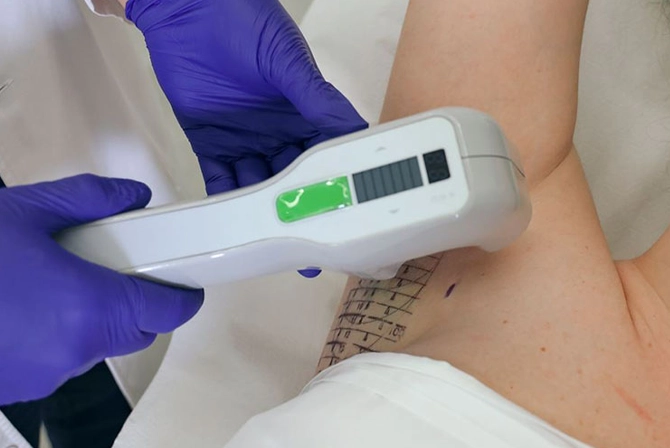
Underarms: The Primary and Most Common Area
The underarm region is the most suitable and widely approved area for Miradry application. This area contains a high concentration of eccrine and apocrine sweat glands, making it ideal for targeted treatment.
Key reasons underarms respond well include:
- Well-defined sweat gland distribution
- Limited risk to surrounding structures
- Predictable and consistent outcomes
- Additional benefits such as reduced odor and hair growth
For people in Dubai dealing with heat-related underarm sweating, this area remains the gold standard for Miradry use.
Hands (Palms): Selective and Case-Based Application
Palmar sweating can be socially and professionally challenging, especially for individuals in client-facing roles. While Miradry is not universally approved for palms, some practitioners consider it in carefully selected cases.
Important considerations for palms include:
- Higher nerve density requiring precise application
- Sensitivity of the skin in this area
- Need for advanced expertise and assessment
Because of these factors, suitability depends on individual anatomy and sweating severity rather than general recommendation.
Feet (Soles): Limited and Evaluated Use
Excessive sweating of the feet can lead to discomfort and hygiene concerns, particularly in warm climates. The soles contain a dense network of sweat glands, but Miradry use here is still limited and evaluated on a case-by-case basis.
Factors influencing suitability:
- Thickness of plantar skin
- Pressure-bearing nature of the feet
- Post-treatment sensitivity considerations
Patients interested in treating foot sweating usually require a detailed consultation to determine whether Miradry is appropriate.
Groin and Intimate Areas: Not Standard Practice
Although sweating in intimate regions can be distressing, Miradry is generally not recommended for the groin or genital areas. These regions have complex anatomy and sensitive structures that increase the risk of adverse effects.
Reasons this area is typically avoided:
- High vascular and nerve concentration
- Increased risk of discomfort
- Lack of sufficient clinical approval
Alternative medical or dermatological solutions are usually explored for this concern.
Back and Chest: Anatomical Limitations
The back and chest can produce significant sweat, especially in hot environments like Dubai, but Miradry is not designed for these large surface areas.
Challenges with these regions include:
- Broad and uneven sweat gland distribution
- Difficulty in achieving uniform energy delivery
- Increased likelihood of uneven results
Because of these limitations, Miradry is rarely considered for the back or chest.
Face and Scalp: Not Suitable for Miradry
Facial and scalp sweating affects appearance and confidence, yet Miradry is not suitable for these areas. The face contains delicate skin, facial nerves, and muscles that make thermal-based treatments unsuitable.
Concerns include:
- Risk to facial expressions and nerve function
- Thin skin structure
- Proximity to vital sensory organs
Non-invasive or topical approaches are generally preferred for facial sweating.
Factors That Determine Area Suitability
Not every sweating concern can be addressed with Miradry, and suitability depends on several medical and anatomical factors.
Common evaluation criteria include:
- Concentration and depth of sweat glands
- Skin thickness and sensitivity
- Proximity to nerves and blood vessels
- Clinical approval and research backing
- A professional assessment ensures the treatment is applied only where it is safe and effective.
Why Underarms Remain the Preferred Choice in Dubai
Due to climate conditions and lifestyle factors, underarm sweating is a common concern among residents and visitors. Miradry aligns well with this need because it targets an area where sweat glands are both accessible and safely treatable, making it the most reliable application zone supported by clinical evidence.
Conclusion
Miradry treatment is best suited for areas with concentrated, well-defined sweat glands, with the underarms being the most established and approved application site. While other areas such as palms or feet may be considered selectively, many regions of the body are not appropriate due to anatomical and safety limitations. Understanding which areas are suitable helps individuals make informed decisions and supports realistic expectations when exploring advanced sweat-reduction solutions.