What Causes Keloids To Form On Certain Skin Types?

Keloids are raised, thickened scars that develop when the skin reacts aggressively to minor injuries. They extend beyond the original wound and may continue growing over time. While the topic is often discussed alongside Keloid Treatment In Dubai, the true focus lies in understanding why some skin types are more prone than others. Keloids are not dangerous, but their formation can be deeply influenced by skin characteristics, genetics, and environmental exposure.
Genetic Tendencies Behind Keloid Formation
Genetics play a significant role in determining whether someone is likely to develop keloids. If close family members have experienced keloid scars, the likelihood increases. Certain inherited traits influence how skin repairs itself after injury. In some people, the healing response becomes excessive, producing too much scar tissue. This inherited tendency explains why keloids may appear even after very minor skin trauma.
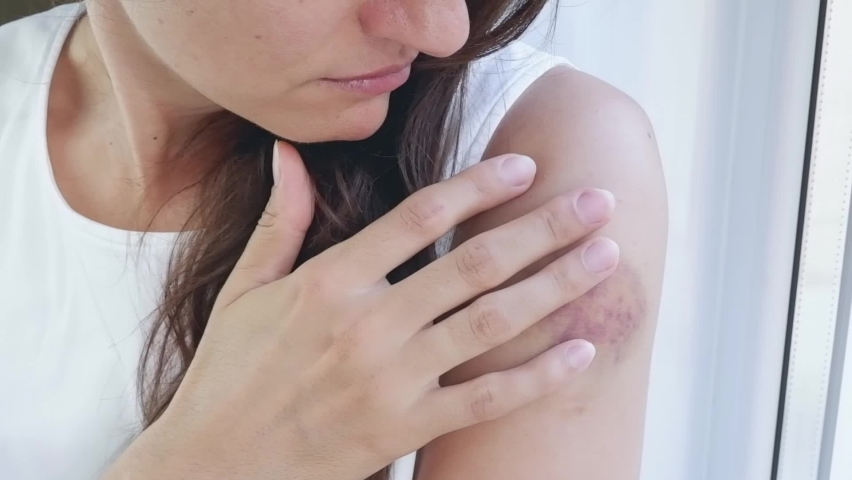
Skin Tone and Its Influence on Keloids
- Deeper skin tones often show stronger scar responses
- Melanin-rich skin may heal more aggressively
- Scar tissue can grow beyond wound boundaries
- Even small cuts may trigger keloids
- Skin elasticity influences scar expansion
Age-Related Factors That Affect Keloid Growth
Keloids most commonly develop during younger and middle adult years, when skin regeneration is at its peak. During these stages, the body’s repair mechanisms are highly active. This heightened activity can sometimes result in excessive tissue buildup during healing. Children and older adults experience keloids less frequently, suggesting that age-related healing strength plays a direct role in scar behavior.
Areas of the Body Prone to Keloids
- Chest and upper torso
- Shoulders and upper arms
- Earlobes and jawline
- Upper back region
- Neck and collarbone area
Hormonal Influence on Scar Development
Hormonal fluctuations may indirectly affect how skin heals and forms scars. Periods of hormonal change can alter skin texture, thickness, and repair responses. This may explain why keloids sometimes appear or worsen during specific life stages. Although hormones do not directly cause keloids, they can influence the environment in which scar tissue forms, making certain individuals more vulnerable during these phases.
Role of Repeated Skin Trauma
Repeated irritation or injury to the same area increases the risk of keloid formation. Continuous stress interrupts normal healing and encourages abnormal scar growth. Everyday actions such as scratching, friction from clothing, or repeated pressure can prolong inflammation. Over time, this cycle pushes the skin to overproduce scar tissue, especially in individuals who already have a genetic or skin-type predisposition.
Immune System Sensitivity and Keloids
- Prolonged inflammation increases scar thickness
- Immune cells may overstimulate repair signals
- Skin remains reactive after injury
- Healing becomes unbalanced
- Scar tissue continues growing unnecessarily
Environmental and Lifestyle Contributors
Environmental exposure can influence how skin reacts after injury. Factors such as humidity, friction, and daily habits may impact healing quality. While these elements alone do not cause keloids, they can intensify existing tendencies. Skin that is constantly stressed by external conditions may struggle to heal evenly, increasing the chances of raised scars in susceptible skin types.
Final Thoughts
Keloids form due to a combination of genetic background, skin tone, immune response, and physical stress on the skin. Certain skin types are naturally more reactive, making scar overgrowth more likely. Understanding these causes helps explain why keloids affect some people and not others. While prevention varies by individual, awareness of personal risk factors remains the most valuable step in managing skin healing responsibly.