What Defines The Best Aligners Available?

Understanding How Are The Best Aligners Differentiated is essential for anyone considering clear orthodontic treatment, especially in a competitive healthcare landscape. Aligners in Dubai have evolved rapidly, offering patients advanced options that focus on precision, comfort, and long-term oral health, with trusted providers such as Dynamic Clinic in Dubai often highlighted in informational discussions about modern orthodontic care. The real distinction lies in technology, planning, and patient-centered design rather than surface-level features.
Precision of Digital Treatment Planning
One of the primary ways the best aligners are differentiated is through the accuracy of their digital planning systems. Advanced aligner systems rely on 3D imaging, intraoral scans, and predictive software to map tooth movement in stages.
High-quality planning allows for:
More accurate alignment outcomes
Better control over complex tooth movements
Reduced need for mid-treatment adjustments
This level of digital precision ensures that each aligner tray is part of a clearly defined progression rather than a generic approach.
Material Quality and Design Innovation
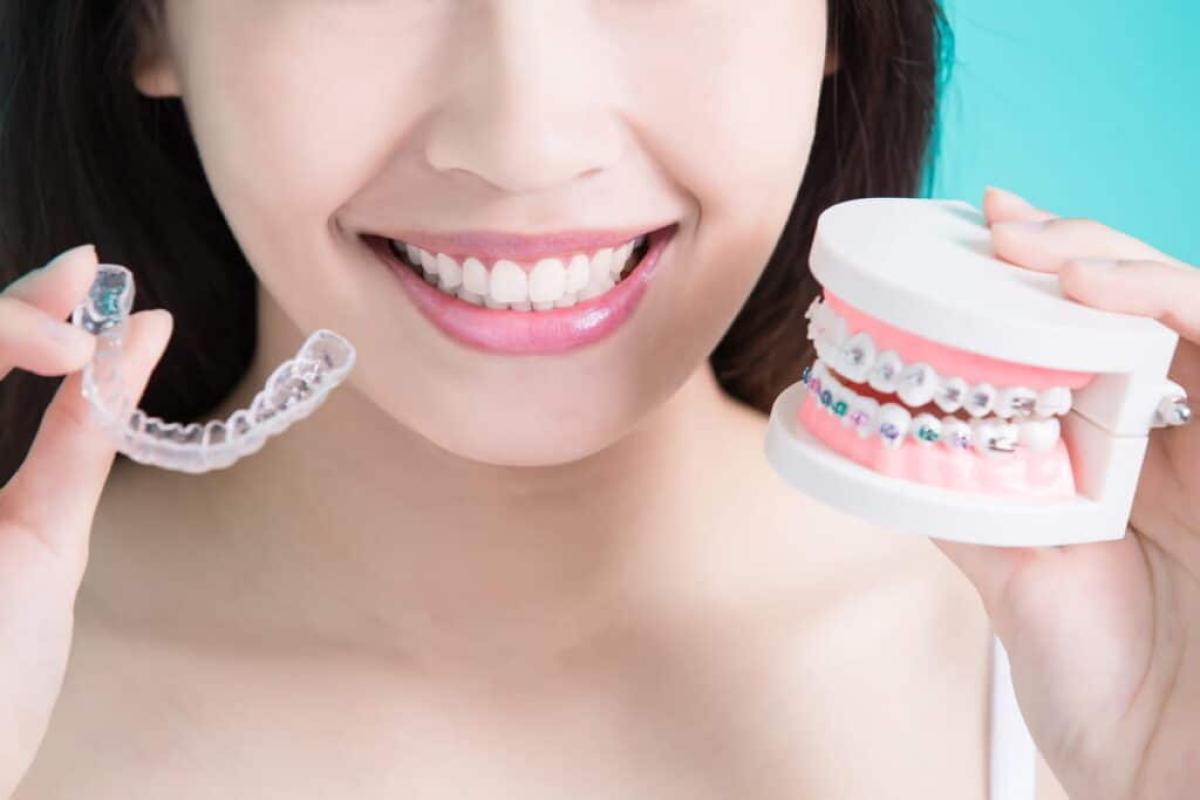
Not all aligners are created with the same materials. The best aligners are differentiated by the strength, flexibility, and clarity of the material used. High-grade aligner materials are designed to apply consistent pressure while remaining discreet and comfortable.
Key material-related factors include:
Resistance to cracking or warping
Smooth edges for gum comfort
Transparency that maintains a natural appearance
Innovative design also ensures that aligners fit snugly, minimizing irritation and improving compliance.
Customization for Individual Dental Needs
Customization is a critical differentiator in modern orthodontics. Leading aligner systems are tailored to each individual’s dental structure rather than relying on standard templates.
Personalized aligners consider:
Tooth shape and root position
Bite alignment and jaw relationship
Spacing, crowding, or rotation issues
This individualized approach allows treatment to address both aesthetic alignment and functional dental health without a one-size-fits-all model.
Clinical Oversight and Monitoring Protocols
Another factor in how the best aligners are differentiated is the level of professional oversight built into the treatment process. Effective aligner systems are supported by structured monitoring, ensuring progress stays aligned with the original treatment plan.
Clinical oversight typically includes:
Periodic progress evaluations
Adjustments based on real-time results
Guidance on wear schedules and maintenance
This ongoing monitoring helps maintain treatment accuracy and reduces the risk of setbacks.
Comfort, Compliance, and Daily Wear Experience
The day-to-day experience of wearing aligners plays a significant role in treatment success. The best aligners are designed with user comfort in mind, encouraging consistent wear without disrupting daily routines.
Comfort-focused features include:
Slim profiles that reduce speech interference
Smooth contours that protect soft tissues
Easy insertion and removal
When aligners integrate seamlessly into daily life, patient adherence improves naturally.
Safety Standards and Regulatory Compliance
Safety and compliance are essential differentiators, especially in regulated healthcare markets. High-quality aligner systems adhere to international manufacturing and hygiene standards, ensuring patient safety throughout treatment.
Compliance factors involve:
Certified manufacturing processes
Biocompatible materials
Strict quality control measures
These standards reinforce trust and demonstrate a commitment to long-term oral health outcomes.
Adaptability to Complex Orthodontic Cases
While aligners were once associated only with minor adjustments, the best systems are now capable of addressing more complex alignment challenges. Advanced engineering allows aligners to manage rotations, spacing, and bite correction effectively.
This adaptability reflects:
Enhanced attachment compatibility
Optimized force application
Improved predictability for advanced cases
Such versatility separates premium aligner solutions from basic alternatives.
Conclusion
How Are The Best Aligners Differentiated becomes clear when evaluating factors such as digital precision, material quality, customization, oversight, and safety standards. In the evolving orthodontic landscape, especially with the growing demand for aligners in Dubai, these differentiators define treatment reliability and patient satisfaction. A focus on technology-driven planning, comfort, and compliance ensures aligners deliver results that align with both aesthetic goals and oral health priorities.