What Determines If Someone Needs Braces?

Deciding whether someone needs braces depends on several dental and orthodontic factors that affect both the function and appearance of teeth. For individuals seeking Braces in Dubai, a professional consultation is essential to evaluate alignment, bite, and overall oral health. Clinics like Dynamic Clinic in Dubai offer thorough assessments to help determine if braces are the right solution for correcting dental irregularities.
Signs That Braces Might Be Needed
Braces are typically recommended when teeth or jaw alignment issues interfere with oral health, speech, or chewing. Common signs include:
Crooked or Crowded Teeth: Overlapping or twisted teeth can make cleaning difficult and increase the risk of decay.
Overbite or Underbite: Misalignment where upper or lower teeth protrude significantly can affect jaw function.
Gaps Between Teeth: Noticeable spaces between teeth may lead to gum problems or bite difficulties.
Difficulty Chewing or Biting: Misaligned teeth can cause uneven wear or strain on jaw muscles.
Speech Issues: Certain alignment problems can impact pronunciation of words.
Early detection is crucial, especially in children, as braces can prevent more complex orthodontic problems later in life.
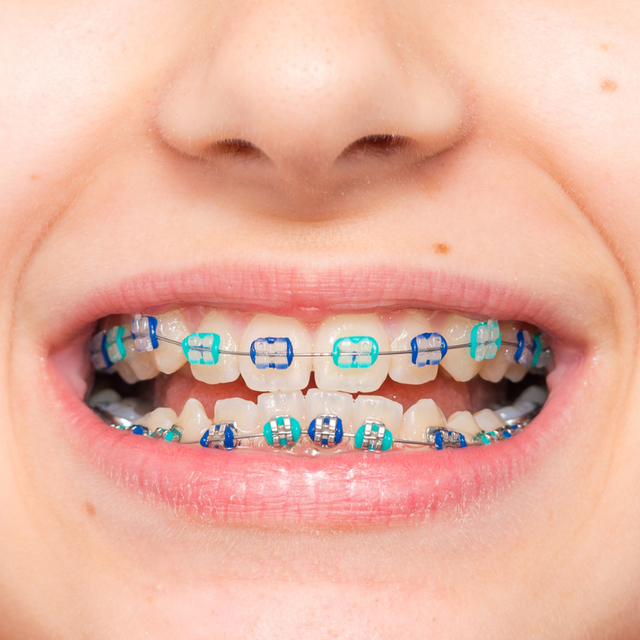
Factors That Influence the Need for Braces
Several factors contribute to whether braces are necessary:
Genetics: Family history often plays a role in dental crowding, jaw size, and misalignment.
Oral Habits: Prolonged thumb sucking, tongue thrusting, or pacifier use in childhood can affect teeth positioning.
Jaw Development: Uneven jaw growth may create bite issues that require correction with braces.
Dental Injuries: Trauma to the mouth can shift teeth or damage alignment.
Overall Oral Health: Decay, missing teeth, or gum problems can influence orthodontic decisions.
Understanding these factors helps orthodontists design personalized treatment plans that improve both function and aesthetics.
Types of Malocclusion That Require Braces
Malocclusion, or misalignment of teeth, is a primary reason braces are recommended. Common types include:
Overbite: Upper teeth excessively overlap the lower teeth.
Underbite: Lower teeth extend beyond the upper teeth.
Crossbite: Upper and lower teeth don’t meet correctly when the mouth is closed.
Open Bite: A gap exists between the upper and lower teeth even when the mouth is closed.
Crowding: Teeth overlap due to insufficient space in the jaw.
Identifying the type of malocclusion helps determine the appropriate braces solution, whether traditional metal braces, clear aligners, or other orthodontic options.
Age and Timing Considerations
While braces are common in children and teenagers, adults can also benefit from orthodontic treatment. Key considerations include:
Growth Stage: Children’s teeth and jaws are more adaptable, making early intervention effective.
Adult Orthodontics: Modern techniques allow effective treatment for adults, though duration may vary.
Dental Health Status: Healthy gums and bones are essential for safe and successful orthodontic treatment.
Regular dental check-ups in Dubai can help identify the optimal time for braces to achieve the best results.
Conclusion
Determining if someone needs braces involves evaluating tooth alignment, jaw structure, and oral habits. Recognizing issues early allows for effective treatment that enhances both function and aesthetics. Residents seeking braces in Dubai can rely on professional assessments at clinics like Dynamic Clinic in Dubai to receive personalized guidance and a clear path to a healthier smile.