What Does The Research Say About Long-Term Stretch Marks Removal?

What Does the Research Say About Long-Term Stretch Marks Removal? This question continues to gain attention as more people seek evidence-based solutions for visible skin changes caused by pregnancy, weight fluctuations, and growth spurts. Interest in Stretch Marks Removal in Dubai has grown significantly, especially among residents looking for clinically supported treatments in advanced aesthetic hubs. Clinics such as Dynamic Life Clinic in Dubai often highlight modern technologies designed to improve skin texture and elasticity, reflecting the broader global shift toward science-backed cosmetic procedures.
Understanding Stretch Marks from a Scientific Perspective
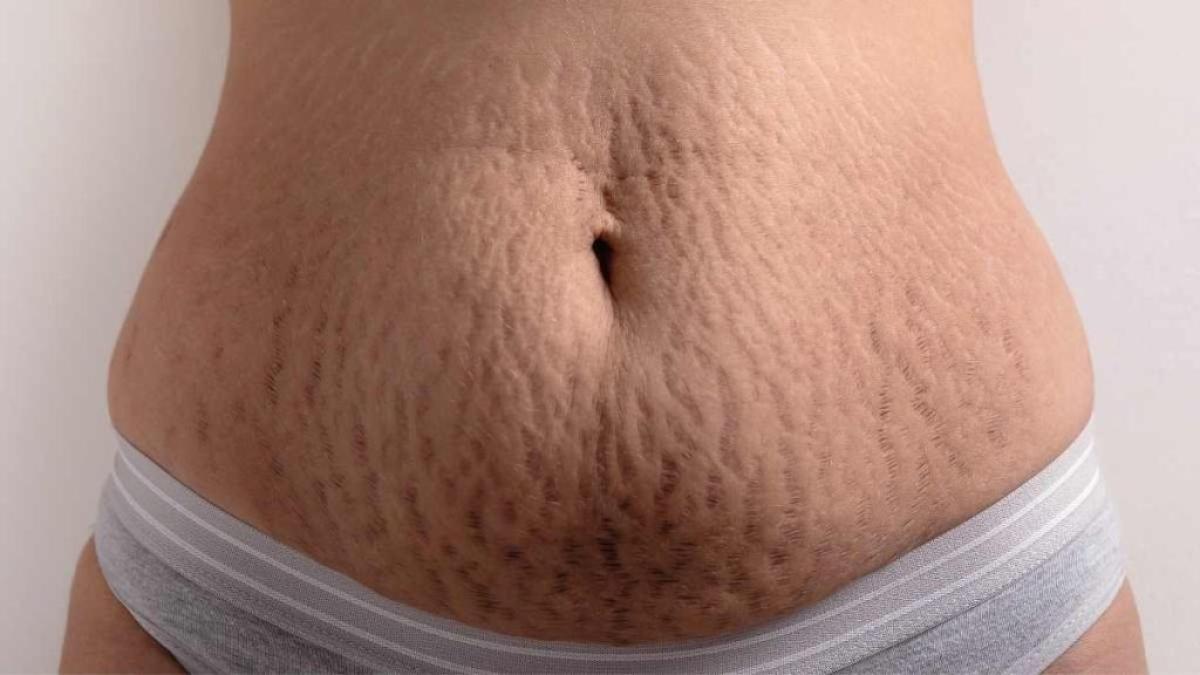
Stretch marks, medically known as striae distensae, develop when the skin stretches rapidly and the underlying collagen and elastin fibers tear. Research shows that these marks initially appear red or purple due to inflammation and vascular changes. Over time, they fade into lighter, scar-like streaks as collagen reorganizes.
Scientific literature categorizes stretch marks into two phases:
Striae rubra (early-stage, reddish marks)
Striae alba (mature, white or silvery marks)
The stage of the stretch marks significantly influences treatment outcomes, as early intervention tends to show better clinical response.
Can Stretch Marks Be Permanently Removed?
Research consistently indicates that complete removal of stretch marks is unlikely. Most dermatological studies emphasize improvement rather than total eradication. Long-term results typically focus on:
Smoother texture
Reduced width and depth
Improved pigmentation
Increased collagen production
Clinical trials suggest that modern treatments stimulate dermal remodeling, which gradually enhances the appearance of affected skin over several months. Results vary depending on skin type, age of stretch marks, and treatment consistency.
What Treatments Show Long-Term Promise?
Several technologies have been evaluated in peer-reviewed studies for long-term effectiveness.
1. Fractional Laser Therapy
Fractional lasers are among the most studied options for long-term stretch marks removal. Research published in dermatology journals reports measurable improvement in skin texture and collagen density after multiple sessions.
Laser therapy works by:
Creating micro-injuries in the skin
Triggering collagen regeneration
Improving skin tone uniformity
Long-term follow-ups often show continued improvement for months after the final session due to ongoing collagen remodeling.
2. Microneedling
Microneedling has gained attention for its ability to stimulate natural healing processes. Studies indicate that controlled micro-injuries activate fibroblasts, encouraging new collagen and elastin production.
Clinical observations highlight:
Gradual fading of striae alba
Noticeable skin thickening
Better results with combination treatments
Long-term improvement depends on treatment frequency and post-procedure care.
3. Radiofrequency-Based Treatments
Radiofrequency devices deliver heat energy to deeper skin layers, promoting collagen tightening. Research demonstrates that combining microneedling with radiofrequency may enhance outcomes compared to standalone procedures.
Benefits observed in studies include:
Increased dermal density
Improved elasticity
Reduction in stretch mark depth
Results often continue to develop for several months as collagen matures.
4. Topical Retinoids
Topical retinoids are frequently studied for early-stage stretch marks. Scientific evidence shows that retinoids can boost collagen production and improve skin texture when used consistently over time.
However, research notes limitations:
Most effective in early red stretch marks
Limited impact on mature white marks
Requires long-term adherence
Factors That Influence Long-Term Results
Scientific research emphasizes that outcomes depend on multiple variables rather than a single treatment method.
Skin Type and Ethnicity
Darker skin tones may require specialized protocols to minimize pigmentation changes. Studies show that treatment customization improves safety and results.
Age of Stretch Marks
Early intervention leads to better response rates. Mature stretch marks have less vascular activity, making them more resistant to treatment.
Combination Therapies
Research increasingly supports combining treatments to maximize collagen stimulation. For example:
Laser + microneedling
Radiofrequency + topical therapy
Microneedling + platelet-rich plasma
Combination approaches often show enhanced durability in clinical evaluations.
Lifestyle and Skin Care
Long-term maintenance plays a role in preserving results. Hydration, sun protection, and healthy nutrition support collagen integrity and skin resilience.
What Does the Evidence Say About Safety?
Clinical trials generally report high safety profiles when procedures are performed using approved devices and protocols. Temporary redness, mild swelling, and sensitivity are common short-term effects. Long-term complications are rare when treatments are administered appropriately.
Research encourages:
Thorough skin assessment before treatment
Personalized treatment plans
Gradual session spacing to allow proper healing
Why Is Dubai Emerging as a Research-Aligned Aesthetic Hub?
Dubai’s aesthetic industry reflects global dermatological advancements. Clinics offering Stretch Marks Removal in Dubai often adopt internationally recognized technologies supported by clinical research. The city's diverse population also contributes to experience in treating multiple skin types, aligning with evidence-based best practices.
Growing awareness of scientifically validated procedures has encouraged individuals to seek long-term improvement rather than quick cosmetic fixes.
Setting Realistic Expectations
Scientific consensus emphasizes improvement over perfection. Long-term stretch marks removal focuses on visible enhancement through collagen remodeling and dermal repair. Results develop gradually and may require maintenance sessions depending on individual skin response.
Understanding the biology of stretch marks helps patients make informed decisions based on research rather than marketing claims.
Conclusion
Research on long-term stretch marks removal highlights consistent improvement through collagen-stimulating treatments such as laser therapy, microneedling, and radiofrequency technologies. While complete removal remains unlikely, clinical evidence supports noticeable and lasting enhancement in skin texture and tone when treatments are tailored to individual needs. For those exploring Stretch Marks Removal in Dubai, choosing research-backed procedures and realistic expectations can lead to meaningful, long-term skin improvement aligned with modern dermatological science.