What Happens During A Root Canal Infection?

A root canal infection is one of the most common dental problems that can cause severe discomfort and impact overall oral health. For those seeking relief in the UAE, a Root Canal infection in Dubai requires prompt attention to prevent further complications. At Dynamic Clinic in Dubai, advanced treatment options ensure that infected teeth are treated efficiently, restoring both function and comfort. Understanding what happens during a root canal infection can help patients recognize symptoms early and seek timely care.
How a Root Canal Becomes Infected
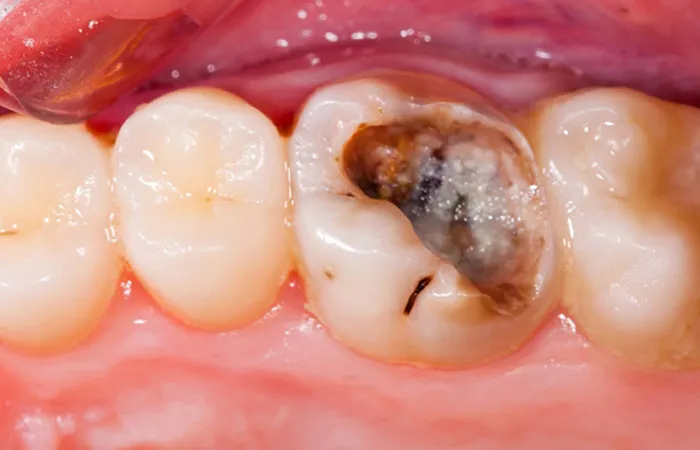
A root canal infection usually begins when bacteria penetrate the inner layers of the tooth. The process can occur due to:
Deep decay: Cavities that reach the pulp allow bacteria to multiply.
Cracks or fractures: Damaged teeth provide an entry point for microbes.
Repeated dental procedures: Multiple treatments can weaken a tooth, increasing infection risk.
Once bacteria enter the pulp, the soft tissue inside the tooth becomes inflamed, leading to pain and swelling.
Common Symptoms of a Root Canal Infection
Recognizing the signs of a root canal infection early can prevent more severe dental issues. Typical symptoms include:
Persistent toothache or throbbing pain
Increased sensitivity to hot or cold foods
Swelling of gums around the affected tooth
Darkening or discoloration of the tooth
Bad taste in the mouth or foul odor
If any of these symptoms appear, it is crucial to consult a dental professional for evaluation and treatment.
The Stages of a Root Canal Infection
A root canal infection develops in stages, each with distinct effects on the tooth:
Initial pulp inflammation: The nerve and blood vessels inside the tooth become irritated.
Infection spread: Bacteria multiply, causing the pulp to die and leading to severe pain.
Abscess formation: Pus collects at the root tip, potentially causing swelling in the jaw or face.
Bone involvement: If untreated, the infection can affect the surrounding bone, weakening support for the tooth.
Early intervention can stop the infection from progressing to more dangerous stages.
Diagnosis and Detection
Dentists use a combination of clinical examination and imaging to diagnose a root canal infection accurately. Methods include:
Dental X-rays to reveal the extent of decay or abscess formation
Pulp vitality tests to check nerve health
Visual inspection to identify cracks, swelling, or gum inflammation
Proper diagnosis ensures the right treatment plan is implemented, improving the chances of saving the natural tooth.
Treatment Options
Treating a root canal infection typically involves removing the infected pulp and sealing the tooth. Standard steps include:
Cleaning the infected root canals thoroughly
Shaping and disinfecting canals to eliminate bacteria
Filling the canals with biocompatible material
Placing a crown or filling to restore tooth structure
Prompt treatment not only relieves pain but also prevents the infection from spreading to adjacent teeth or bone.
Preventing Future Infections
After treatment, maintaining good oral hygiene is essential to avoid recurring infections:
Brush teeth twice daily with fluoride toothpaste
Floss regularly to remove trapped food particles
Attend routine dental check-ups every six months
Avoid excessive sugary foods and drinks
Adopting these habits can protect teeth and maintain long-term oral health.
Conclusion
A root canal infection can escalate quickly if left untreated, affecting both dental and overall health. Understanding the causes, symptoms, and treatment stages empowers patients to act promptly. For residents in Dubai, seeking professional care at facilities like Dynamic Clinic in Dubai ensures the infection is managed effectively, preserving natural teeth and preventing complications.