What Is A Crown Hair Transplant?

Hair loss doesn’t always begin at the hairline. For many individuals, thinning starts at the crown — the circular area at the top back of the head. This type of hair loss can be particularly frustrating because it’s less noticeable at first but becomes more prominent over time. If you’ve been researching solutions like Crown Hair Transplants in Dubai, you may be wondering how this procedure works and whether it’s the right option for you. Understanding the process, benefits, and expectations can help you make an informed decision.
Understanding Crown Hair Loss
Why Does Hair Thin at the Crown?
The crown, also known as the vertex, is one of the most common areas affected by pattern baldness. In men, this is often linked to male pattern baldness, while women may experience diffuse thinning in the same region.
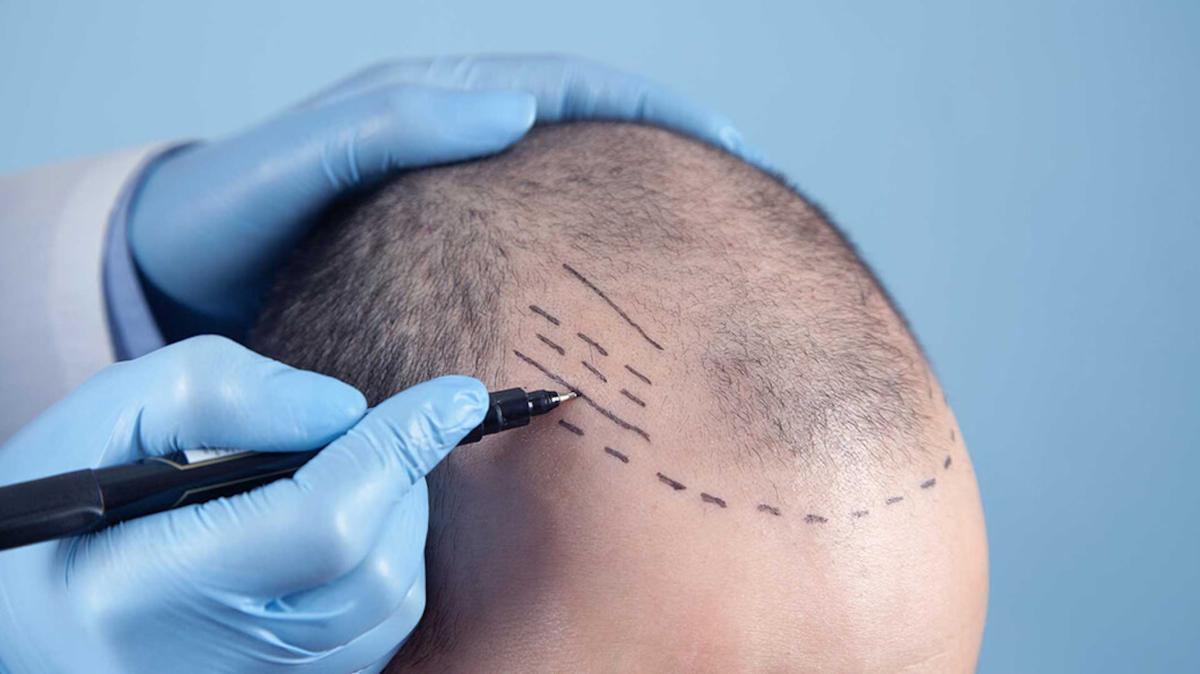
Several factors contribute to crown hair loss:
Genetics
Hormonal changes
Aging
Stress and lifestyle factors
Unlike frontal hairline recession, crown thinning can spread outward in a circular pattern, making coverage more challenging over time.
What Is a Crown Hair Transplant?
Definition and Purpose
A crown hair transplant is a specialized hair restoration procedure designed to fill in thinning or bald areas at the top back portion of the scalp. The goal is to restore natural density and create a fuller appearance in the crown region.
Because the crown has a unique spiral growth pattern, transplanting hair in this area requires careful planning to mimic the natural swirl of hair follicles. This ensures the final result looks seamless and authentic.
How the Procedure Works
Hair Follicle Extraction
Healthy hair follicles are typically taken from a donor area — usually the back or sides of the scalp — where hair is genetically resistant to thinning. These follicles are carefully extracted while preserving their integrity.
Strategic Implantation
The extracted follicles are then implanted into the thinning crown area. The angle, direction, and density are meticulously designed to replicate the natural circular pattern of crown hair growth.
This level of detail is essential because incorrect placement can make the result appear unnatural. Precision ensures that once the transplanted hair grows, it blends smoothly with existing hair.
What Makes the Crown Area Unique?
Slower Visible Results
One important factor to understand is that crown transplants often take slightly longer to show full results compared to hairline procedures. The crown has a different blood supply and growth cycle, meaning patience is key.
Most individuals begin to notice visible improvement within several months, with full growth typically achieved within a year.
Requires Higher Graft Numbers
Because the crown can expand outward as hair loss progresses, it may require a higher number of grafts to achieve satisfactory density. Proper evaluation of future hair loss patterns is crucial to ensure balanced, long-lasting results.
Who Is a Good Candidate?
You may be a suitable candidate for a crown hair transplant if you:
Have noticeable thinning or baldness in the crown area
Possess sufficient donor hair
Have stable hair loss
Maintain realistic expectations
It’s important that the donor area is healthy and dense enough to support transplantation. Without strong donor follicles, achieving natural coverage may be more challenging.
Benefits of a Crown Hair Transplant
Natural-Looking Results
Since your own hair follicles are used, the transplanted hair grows naturally. You can wash, cut, and style it just like the rest of your hair.
Permanent Solution
Transplanted follicles are typically resistant to the hormone responsible for pattern baldness. This means the results are long-lasting and often permanent.
Improved Confidence
Hair thinning at the crown can affect self-esteem, especially in social or professional settings where overhead lighting makes the area more noticeable. Restoring fullness can significantly enhance confidence and overall appearance.
Recovery and Aftercare
What to Expect After the Procedure
Mild redness, scabbing, or swelling in the treated area is normal during the initial healing period. These symptoms usually subside within days to weeks.
Hair Shedding Phase
It’s common for transplanted hairs to shed within the first few weeks. This is a temporary phase known as shock loss. New growth typically begins within three to four months.
Following proper aftercare instructions supports healthy follicle survival and optimal regrowth.
Managing Expectations
While crown hair transplants can deliver impressive results, it’s important to understand that density may not match your teenage years. The goal is natural-looking coverage rather than extreme thickness.
Additionally, if hair loss continues in surrounding areas, future treatments may be needed to maintain overall balance.
Final Thoughts
A crown hair transplant is a highly specialized procedure designed to restore hair density in one of the most challenging areas of the scalp. With careful planning, precise follicle placement, and realistic expectations, it can significantly improve the appearance of thinning at the vertex.
If you’re exploring reliable solutions for hair restoration, understanding how the procedure works is the first step. For individuals considering advanced options like Crown Hair Transplants in Dubai, this treatment offers a natural, long-term approach to reclaiming fuller hair and renewed confidence.