What Is Posterior Repair Surgery And Why Is It Done?

Posterior Repair in Dubai is a topic gaining attention among individuals seeking solutions for certain pelvic floor concerns that can affect comfort, confidence, and quality of life. While it may sound complex, understanding what posterior repair surgery is and why it is performed can help demystify the procedure and empower people to make informed decisions about their health.
Understanding Posterior Repair Surgery
Posterior repair surgery, also known as posterior colporrhaphy, is a procedure designed to correct weakness or damage in the back wall of the vagina. This area can become stretched or weakened due to factors s
addresses this issue by tightening and reinforcing the affected tissues.
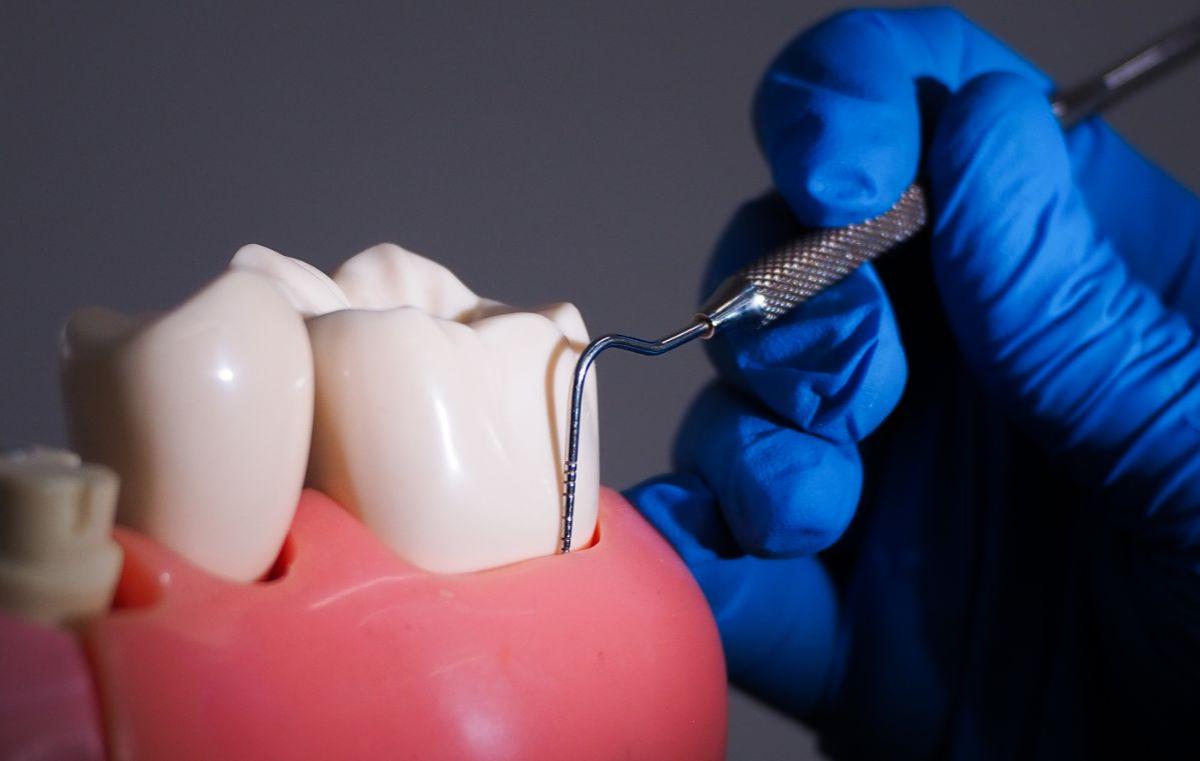
How the Procedure Works
During posterior repair surgery, the weakened tissue is carefully repositioned and strengthened. Excess or stretched tissue may be removed, and the remaining tissue is tightened using sutures to restore proper support.
The procedure focuses on:
Repairing the vaginal wall
Strengthening the connective tissues
Improving overall pelvic floor stability
This results in better anatomical alignment and improved function, which can significantly enhance daily comfort.
Why Posterior Repair Surgery Is Done
Posterior repair surgery is typically recommended when symptoms caused by a weakened vaginal wall begin to interfere with daily life. These symptoms may vary in severity but can become increasingly bothersome over time if left untreated.
Common Reasons for the Procedure
Relief from Physical Discomfort
A rectocele can create a sensation of pressure or fullness in the vaginal area. Some individuals may feel a noticeable bulge, especially when standing or straining. Posterior repair helps eliminate this discomfort by restoring proper support.
Improvement in Bowel Function
One of the most common issues associated with a rectocele is difficulty with bowel movements. Individuals may experience incomplete evacuation or the need for additional effort. By correcting the structural problem, posterior repair can make bowel movements more natural and less strained.
Enhanced Quality of Life
Persistent discomfort, pressure, or functional issues can affect everyday activities and emotional well-being. Many people report a significant improvement in their quality of life after the procedure, as it restores both physical comfort and confidence.
Support After Childbirth Changes
Childbirth is one of the leading causes of pelvic floor weakening. Posterior repair can help restore the body after these changes, particularly when non-surgical methods have not provided sufficient relief.
Benefits of Posterior Repair
Posterior repair surgery offers a range of benefits that go beyond just structural correction.
Physical Benefits
Restores normal anatomy
Reduces vaginal bulging
Improves bowel movement function
Decreases pelvic pressure
Functional Improvements
Easier daily activities
Less discomfort during movement or sitting
Better overall pelvic stability
Emotional and Lifestyle Impact
Addressing physical concerns often leads to improved self-confidence and a greater sense of well-being. When discomfort is reduced, individuals can return to their routines with more ease and peace of mind.
Recovery and Expectations
Recovery from posterior repair surgery varies from person to person, but most individuals can expect a gradual healing process. Rest and proper care are essential to allow the repaired tissues to strengthen effectively.
What to Expect During Recovery
Mild discomfort or soreness initially
Gradual improvement over several weeks
Temporary activity restrictions to support healing
Tips for a Smooth Recovery
Avoid heavy lifting or straining
Maintain a fiber-rich diet to prevent constipation
Stay hydrated and follow a gentle routine
Allow adequate time for rest and healing
Patience is key, as the body needs time to fully recover and adjust after the procedure.
Is Posterior Repair Right for You?
Posterior repair surgery is typically considered when symptoms are persistent and affect daily comfort or function. It is often recommended after other non-invasive approaches, such as lifestyle changes or pelvic floor exercises, have not been effective.
Every individual’s situation is unique, and understanding your symptoms and goals is essential in determining whether this procedure is the right step. Being informed about the purpose and benefits of posterior repair can help you approach the decision with confidence.
Final Thoughts
Posterior repair surgery is a well-established solution for addressing weakness in the vaginal wall and improving pelvic floor function. By correcting structural issues and relieving uncomfortable symptoms, it plays a vital role in restoring comfort and enhancing overall quality of life.
For those experiencing ongoing discomfort or functional challenges, learning about posterior repair is the first step toward finding a solution that supports long-term well-being and confidence.
I prefer this response