What Is The Fundamental Physiological Goal Of Liposuction?

Understanding what is the fundamental physiological goal of liposuction helps patients set realistic expectations and make informed decisions about body contouring procedures. Liposuction in Dubai has become a popular option for individuals seeking refined body proportions, and reputable centers such as Dynamic Life Clinic often emphasize education alongside treatment to ensure clarity from the start. At its core, liposuction is not a weight-loss method but a procedure focused on targeted fat cell reduction to improve body shape and metabolic balance in specific areas.
Understanding the Physiological Basis of Liposuction
The human body stores excess energy in the form of fat cells, also known as adipocytes. These cells expand when energy intake exceeds expenditure and tend to accumulate in genetically predisposed areas. The physiological goal of liposuction is to permanently reduce the number of fat cells in selected regions, rather than shrinking them temporarily.
By physically removing fat cells, liposuction alters the local fat distribution pattern. This change is significant because, unlike diet or exercise, which reduce fat cell size, liposuction decreases the total fat cell count in a specific area.
Targeted Fat Cell Reduction, Not Weight Loss
One of the most misunderstood aspects of liposuction is its relationship with weight management. The procedure is designed to address stubborn fat deposits that do not respond to lifestyle changes.
Key physiological objectives include:
Reducing localized fat volume
Improving contour and proportion
Preventing future fat accumulation in treated areas
Because the body does not easily regenerate fat cells, treated areas are less likely to store excess fat compared to untreated zones.
How Liposuction Interacts With Body Metabolism
From a physiological standpoint, liposuction subtly influences how the body stores fat going forward. While it does not directly alter metabolic rate, the redistribution of fat cells can affect how and where excess calories are stored.
Research indicates that after liposuction, the body may redirect fat storage to other areas if overall lifestyle habits remain unchanged. This highlights that the procedure supports body contouring rather than acting as a metabolic reset.
The Role of Liposuction in Body Contouring
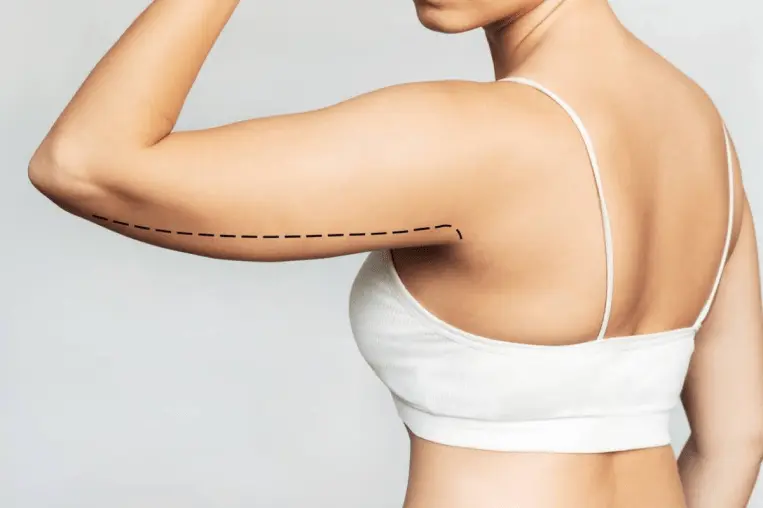
Body contouring is the primary clinical application of liposuction. The physiological aim is to sculpt areas where fat accumulation disrupts natural body lines. Common treatment zones include the abdomen, flanks, thighs, arms, and chin.
By removing fat at a structural level, liposuction enhances the visibility of underlying muscle tone and natural curves. This effect is particularly valued in aesthetic-focused markets such as Dubai, where body symmetry and proportion are key motivators for treatment.
Psychological and Functional Benefits Linked to Physiological Change
Although the procedure focuses on physical fat removal, the resulting physiological changes can support improved posture, mobility, and comfort in daily activities. Reduced fat mass in certain areas may also ease mechanical strain on joints or skin folds.
These functional improvements stem directly from the physiological goal of decreasing excess fat volume rather than altering overall body mass.
Why Liposuction Results Are Considered Long-Term
The long-term nature of liposuction outcomes is tied to its core physiological principle: fat cell removal. Once eliminated, these cells do not return in the same location, provided body weight remains stable.
Sustainable results depend on:
Maintaining balanced nutrition
Staying physically active
Supporting overall metabolic health
This reinforces the idea that liposuction works in harmony with healthy habits rather than replacing them.
Liposuction in Dubai: A Focus on Precision and Physiology
Liposuction in Dubai is often approached with a strong emphasis on precision, safety, and anatomical understanding. Clinics tailor procedures based on body type, fat distribution, and individual goals, aligning treatment plans with the fundamental physiological objective of selective fat removal.
This approach supports natural-looking results that respect the body’s existing structure while enhancing definition in targeted areas.
Conclusion
The fundamental physiological goal of liposuction is the permanent removal of excess fat cells from specific areas to improve body contour and proportion. By focusing on localized fat reduction rather than weight loss, the procedure reshapes the body at a structural level, offering lasting changes when supported by healthy lifestyle choices.