What Is The Physiological Purpose Of Laser Treatments?

Laser treatments have become a cornerstone of modern skincare and therapeutic procedures, but many wonder, what is the physiological purpose of laser treatments? These treatments are designed to interact with the body at a cellular level, promoting natural healing, tissue repair, and regeneration. In Dubai, Laser Treatments in Dubai are gaining popularity for their ability to target various skin concerns effectively. At Dynamic Life Clinic in Dubai, patients experience advanced laser therapies tailored to enhance the skin’s function while stimulating underlying physiological processes.
How Laser Treatments Affect the Skin at the Cellular Level
Laser treatments work by delivering concentrated light energy to specific areas of the skin. This energy is absorbed by targeted tissues, such as pigment cells, blood vessels, or water in the skin, which triggers controlled physiological responses. The main effects include:
Collagen Stimulation: Laser energy penetrates deep into the dermis, prompting fibroblasts to produce new collagen, which strengthens and rejuvenates the skin.
Cellular Repair: Damaged cells are encouraged to repair themselves more efficiently, aiding in faster healing and improved skin texture.
Pigmentation Regulation: Lasers can break down melanin clusters, helping reduce hyperpigmentation and even out skin tone.
Enhanced Blood Flow: Increased circulation delivers more oxygen and nutrients to tissues, accelerating recovery and promoting healthier skin.
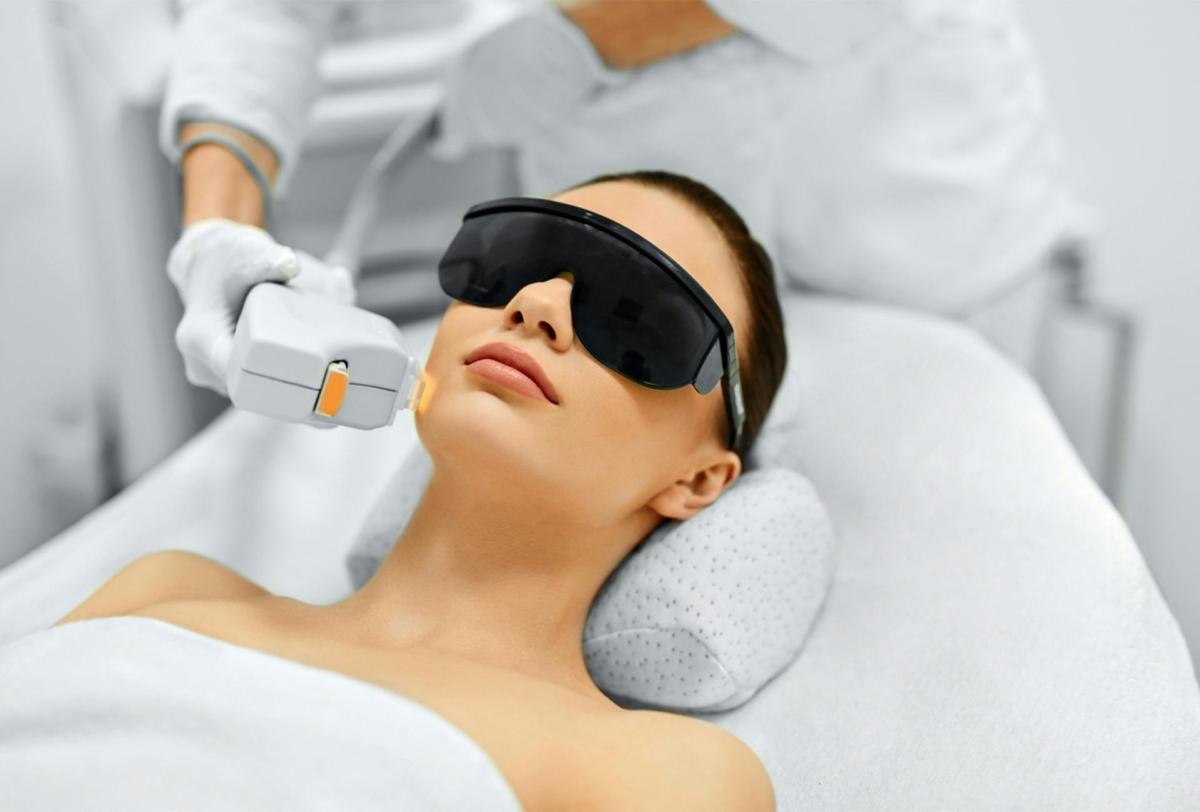
The Role of Laser Treatments in Wound Healing
Beyond cosmetic benefits, laser treatments have significant physiological impacts on wound healing. Low-level laser therapy (LLLT) or cold lasers, in particular, stimulate tissue repair without causing damage. The effects include:
Activation of Cellular Energy: Lasers enhance the production of adenosine triphosphate (ATP), the energy currency of cells, which fuels repair and regeneration.
Inflammation Reduction: By modulating inflammatory mediators, lasers help decrease swelling and redness, creating a favorable environment for healing.
Collagen Remodeling: Newly synthesized collagen is more organized, resulting in stronger tissue formation and reduced scarring.
Benefits of Laser Treatments for Skin Rejuvenation
Laser treatments are widely used for skin rejuvenation, targeting fine lines, wrinkles, and overall skin texture. The physiological purpose here is primarily to enhance the skin’s natural regenerative capacity. Key benefits include:
Increased Skin Elasticity: Collagen and elastin fibers are strengthened, improving firmness and reducing sagging.
Reduction of Fine Lines: By stimulating dermal repair, superficial wrinkles become less visible over time.
Smoother Skin Texture: Cellular turnover is accelerated, removing dead skin cells and promoting a brighter, healthier complexion.
How Laser Therapy Supports Hair and Pigment Health
Another critical application of laser treatments involves hair and pigment health. Targeted laser energy can improve follicle function and skin pigmentation through:
Hair Follicle Stimulation: Low-level lasers improve blood circulation to the scalp, enhancing nutrient delivery to hair roots.
Pigment Correction: Lasers can address pigmentation disorders by breaking down excess melanin and promoting uniform skin tone.
Sebum Regulation: Certain laser wavelengths help normalize oil production, reducing acne and maintaining healthy skin balance.
Safety and Controlled Physiological Impact
The physiological purpose of laser treatments extends to safety and controlled tissue interaction. Unlike chemical treatments, lasers offer precise targeting with minimal side effects. Safety considerations include:
Selecting the appropriate wavelength for the target tissue.
Adjusting energy levels according to skin type and condition.
Using cooling mechanisms to protect surrounding tissues during treatment.
Factors Influencing the Effectiveness of Laser Treatments
The success of laser therapy depends on several physiological and environmental factors:
Skin Type and Thickness: Different skin tones absorb laser energy differently, impacting results.
Treatment Frequency: Regular sessions help maintain tissue repair and collagen stimulation.
Hydration and Nutrition: Well-hydrated and nourished skin responds better to laser-induced repair.
Lifestyle Factors: Sun exposure, smoking, and stress levels can influence how effectively the body responds to laser therapy.
Conclusion
The physiological purpose of laser treatments goes far beyond cosmetic enhancement. From stimulating collagen production and accelerating tissue repair to improving circulation and regulating pigmentation, these therapies support the body’s natural healing mechanisms. In Dubai, clinics offering Laser Treatments in Dubai are harnessing these benefits to deliver personalized care that promotes lasting skin health. Whether for rejuvenation, healing, or pigment correction, laser treatments provide targeted, scientifically backed solutions to support optimal skin and tissue function.