What Is The Process For Engine Repair Services?

Understanding what is the process for engine repair services is essential for vehicle owners who want to maintain performance, safety, and long-term reliability. In Dubai’s demanding driving conditions—high temperatures, heavy traffic, and long-distance commuting—engine health plays a critical role. Many drivers search for trusted Engine Repair Services in Dubai to ensure their vehicles receive professional care using accurate diagnostics and manufacturer-recommended procedures. Choosing Engine Repair Services at the right time can prevent minor issues from escalating into costly engine failures.
Initial Vehicle Inspection and Problem Identification
The engine repair process begins with a detailed inspection of the vehicle. Technicians gather information from the driver regarding symptoms such as unusual noises, warning lights, overheating, or loss of power. This step helps narrow down potential issues before advanced testing begins.
Visual checks are performed to identify oil leaks, coolant loss, damaged belts, or loose connections. These observations provide valuable clues and help technicians decide whether the issue is mechanical, electrical, or related to fuel or air intake systems.
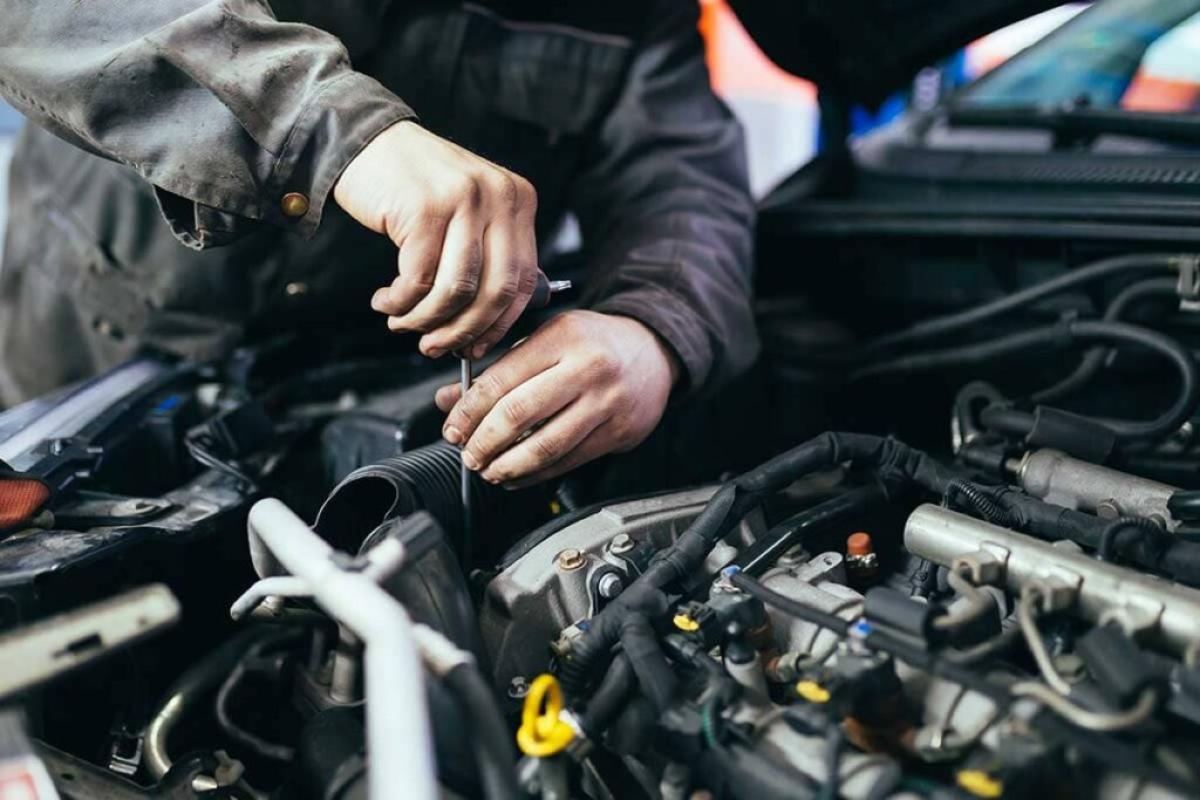
Computerized Engine Diagnostics
Modern vehicles rely heavily on onboard computers, making diagnostics a crucial step. Specialized diagnostic tools are connected to the vehicle’s ECU (Engine Control Unit) to read fault codes and system data.
Key checks during diagnostics include:
Sensor performance and error codes
Fuel injection timing and pressure
Ignition system efficiency
Emission control system status
This data-driven approach allows technicians to pinpoint issues accurately rather than relying on assumptions, saving both time and repair costs.
Detailed Engine Component Assessment
Once diagnostic results are analyzed, a deeper inspection of engine components follows. This step focuses on identifying worn, damaged, or failing parts that affect engine performance.
Common areas assessed include:
Spark plugs and ignition coils
Timing belt or timing chain condition
Fuel injectors and fuel pump
Engine valves, pistons, and cylinder compression
By isolating the exact components responsible for the problem, technicians can recommend precise repairs instead of unnecessary replacements.
Repair Plan and Cost Estimation
After identifying the issue, a structured repair plan is developed. This includes the scope of work, required parts, labor time, and estimated costs. Transparency at this stage is important for building trust and helping vehicle owners make informed decisions.
The repair plan typically outlines:
Parts to be repaired or replaced
Whether genuine or OEM parts are required
Expected repair duration
Preventive recommendations to avoid future issues
This step ensures clarity before any physical work on the engine begins.
Engine Repair or Component Replacement
The actual repair phase involves repairing or replacing faulty components based on the approved plan. Depending on the severity of the issue, this may range from minor adjustments to major mechanical repairs.
Examples of repair tasks include:
Replacing damaged gaskets or seals
Repairing cylinder head issues
Overhauling fuel or cooling systems
Adjusting timing or recalibrating sensors
Precision and adherence to manufacturer specifications are essential during this phase to restore engine efficiency and reliability.
Engine Reassembly and System Calibration
After repairs are completed, the engine is carefully reassembled. All components are tightened to specified torque values, fluids are refilled, and connections are rechecked. Calibration ensures that electronic systems communicate correctly with the engine.
Technicians may recalibrate:
Engine timing
Fuel-air mixture
Throttle response
Sensor readings
Proper calibration is vital for smooth engine operation, fuel efficiency, and reduced emissions.
Testing and Quality Assurance Checks
Before handing the vehicle back to the owner, thorough testing is performed. This includes idle testing, road testing, and monitoring engine behavior under different driving conditions.
Quality assurance checks focus on:
Engine noise and vibration levels
Temperature stability
Acceleration and power delivery
Absence of warning lights or error codes
This step confirms that the repair has successfully resolved the issue without introducing new problems.
Preventive Maintenance Recommendations
After successful repairs, technicians often provide guidance on preventive maintenance. Regular servicing helps extend engine life and reduces the likelihood of repeat issues, especially in Dubai’s climate.
Recommendations may include:
Scheduled oil and filter changes
Cooling system inspections
Timely replacement of wear-and-tear parts
Monitoring dashboard warning indicators
Preventive care supports long-term engine performance and minimizes unexpected breakdowns.
Conclusion
The process for engine repair services involves systematic inspection, accurate diagnostics, targeted repairs, and thorough testing to restore optimal engine performance. For drivers in Dubai, understanding this process helps in making informed decisions and choosing professional service providers who follow industry best practices. A structured repair approach not only resolves current issues but also enhances vehicle reliability, efficiency, and safety over time.