What Is The Science Behind A Chemical Peel's Mechanism?

Understanding What Is The Science Behind A Chemical Peel's Mechanism? helps explain why this treatment is widely used for improving skin texture, tone, and clarity across different skin types.
In aesthetic skincare conversations around Chemical Peels In Dubai clinics such as Dynamic Life Clinic often highlight the science-driven approach behind controlled exfoliation to achieve visible skin renewal while respecting the region’s climate and lifestyle.
Understanding the Skin’s Natural Renewal Process
Human skin naturally renews itself through a cycle where old cells shed and new cells rise to the surface. This process slows down with age, sun exposure, and environmental stressors common in urban settings. When dead skin cells accumulate, they can make the complexion appear uneven or dull. Chemical peeling works by accelerating this natural turnover rather than replacing it, supporting the skin’s own biological rhythm.
How Chemical Peels Interact With Skin Layers
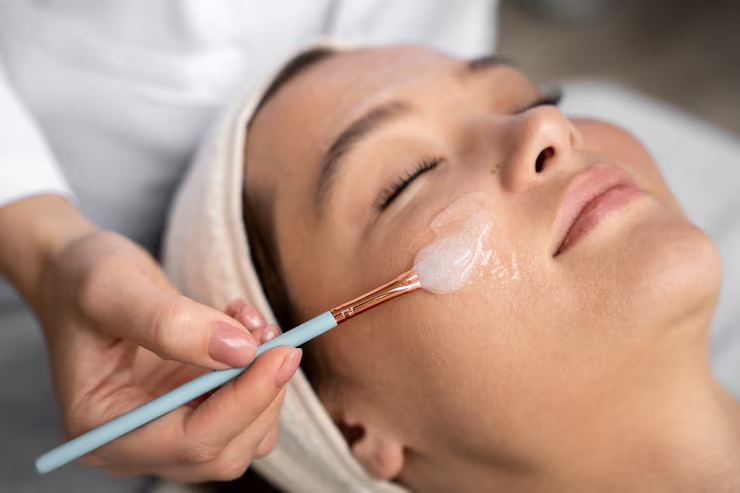
A chemical peel functions through a controlled interaction with the outer layers of the skin. When applied, the solution creates a precise exfoliating response that loosens the bonds between old skin cells. This controlled action allows damaged cells to shed evenly, making room for healthier cells underneath without disrupting deeper skin structures.
Types of Skin Depth Targeting
Chemical peels are categorized by how deeply they interact with the skin, based on skin needs and goals:Surface-level peels focus on the outermost layer to refresh texture and brightness
Mid-level peels reach slightly deeper layers to support smoother tone and refined appearance
Advanced-depth peels are designed to encourage significant skin renewal under professional supervision
Each level relies on the same biological principle but varies in intensity and recovery response.
Cellular Response and Regeneration
Once exfoliation begins, the skin activates its natural repair response. This process stimulates the production of new skin cells and supportive structural components. Blood flow increases to the treated area, delivering oxygen and nutrients that assist regeneration. Over time, this cellular activity contributes to smoother skin and improved clarity without altering natural facial structure.
Role of pH Balance in Effectiveness
The effectiveness of a chemical peel depends heavily on pH balance. A carefully calibrated acidic environment triggers exfoliation while allowing the skin to self-neutralize afterward. This balance ensures the peel works efficiently without overwhelming the skin’s protective barrier. Precision in pH control is essential to maintaining safety and consistent results.
Environmental Factors and Skin Behavior
Skin exposed to high sun intensity and urban pollution, common in Dubai, often experiences slower natural shedding and uneven tone. Chemical peels address these concerns by supporting uniform exfoliation. The science remains consistent globally, but treatment planning considers environmental exposure to ensure skin resilience and recovery.
Why Controlled Exfoliation Matters
Unlike physical exfoliation, chemical peels work evenly across the skin’s surface. This controlled process reduces irregular shedding and supports balanced renewal. The skin responds gradually, allowing visible improvement while maintaining its natural defense mechanisms.
Conclusion
The answer to What Is The Science Behind A Chemical Peel's Mechanism? lies in its ability to work with the skin’s biology rather than against it. By encouraging controlled exfoliation, stimulating cellular renewal, and supporting natural repair processes, chemical peels offer a science-backed approach to healthier-looking skin. When applied thoughtfully and responsibly, this method reflects how modern skincare combines biology, chemistry, and environmental awareness to support long-term skin vitality.