What Is The Standard Protocol For Chronic Wounds Treatment?

Understanding what is the standard protocol for chronic wounds treatment is essential for patients and caregivers dealing with wounds that fail to heal within a normal timeframe. Chronic wounds often require a structured, evidence-based approach rather than routine first aid. Chronic Wounds Treatment in Dubai follows globally recognized clinical guidelines, combining advanced diagnostics with patient-focused care, and reputable providers such as Dynamic Clinic in Dubai often highlight the importance of following a standardized healing pathway for long-term results.
Understanding Chronic Wounds
Chronic wounds are injuries to the skin or underlying tissue that do not show significant improvement after several weeks. These wounds are often linked to underlying health conditions, impaired circulation, pressure, or repeated trauma. Common types include diabetic ulcers, pressure sores, venous leg ulcers, and non-healing surgical wounds. Identifying a wound as chronic is the first step toward proper medical management.
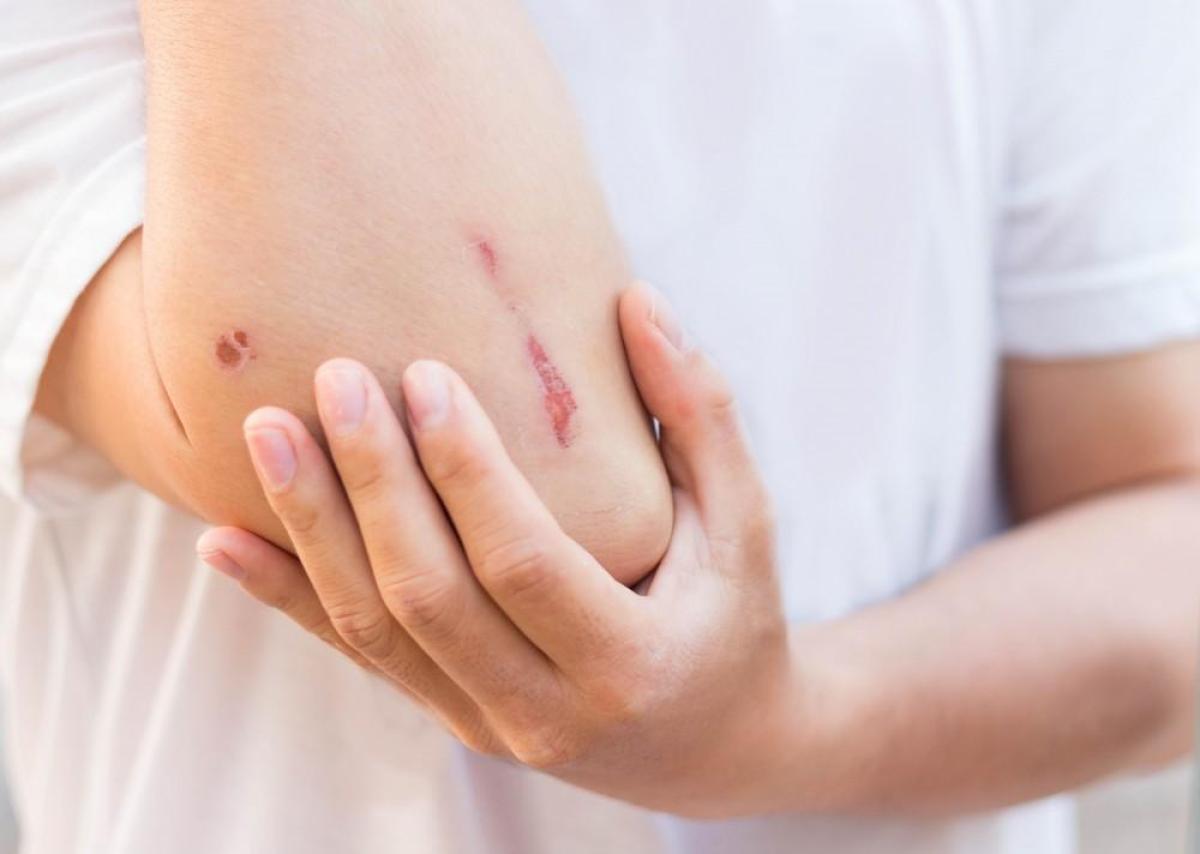
Initial Patient and Wound Assessment
A thorough assessment forms the foundation of any standard protocol. Healthcare teams evaluate both the wound and the patient’s overall health status. This step helps identify factors that may delay healing, such as infection, reduced blood flow, or systemic conditions. Assessment typically focuses on wound size, depth, tissue condition, and surrounding skin integrity while also reviewing medical history and lifestyle factors.
Wound Cleansing and Debridement
Cleaning the wound is a critical part of chronic wound care. Proper cleansing removes debris, bacteria, and dead tissue that can slow healing. Debridement is often used to eliminate non-viable tissue and promote the growth of healthy cells. Depending on the wound, this may be done using mechanical, autolytic, enzymatic, or surgical methods, each selected based on clinical judgment.
Infection Control and Inflammation Management
Preventing and controlling infection is a key component of the standard protocol. Chronic wounds are vulnerable to bacterial colonization, which can lead to delayed healing or complications. Clinicians monitor signs of infection and manage inflammation using appropriate topical therapies and sterile dressings. Early intervention helps reduce tissue damage and supports the body’s natural healing response.
Moisture Balance and Advanced Dressings
Maintaining the right moisture level is essential for wound repair. Modern wound care emphasizes a balanced environment that keeps the wound moist without causing excess fluid buildup. Advanced dressings are selected based on wound characteristics and may help regulate moisture, protect from external contaminants, and support tissue regeneration.
Addressing Underlying Causes
Effective chronic wound management goes beyond treating the visible injury. Addressing underlying causes is part of the standard protocol and may involve improving circulation, reducing pressure, or managing systemic health issues. Lifestyle modifications, proper nutrition, and consistent follow-up play a significant role in supporting healing and preventing recurrence.
Ongoing Monitoring and Care Adjustment
Chronic wounds require regular monitoring to track progress and adjust treatment plans. Wound size, tissue quality, and healing rate are evaluated over time. If healing stalls, clinicians reassess the approach and modify therapies accordingly. This adaptive process ensures the treatment remains aligned with the patient’s healing needs.
Conclusion
The standard protocol for chronic wounds treatment is a structured, step-by-step approach designed to support healing while reducing complications. In the context of Chronic Wounds Treatment in Dubai, following internationally accepted clinical practices ensures care that is safe, effective, and patient-centered. By focusing on assessment, wound management, infection control, and ongoing monitoring, this protocol offers a reliable pathway toward improved wound healing and long-term skin health.