What Regulatory Standards Apply To Ultherapy Procedures?

Understanding What Regulatory Standards Apply to Ultherapy Procedures? is essential for patients seeking safe, non-invasive skin tightening treatments in the UAE. When exploring Ultherapy in Dubai, regulatory compliance plays a major role in ensuring device safety, practitioner qualifications, and clinic licensing, which is why reputable providers such as Dynamic Life Clinics operate under strict healthcare guidelines designed to protect patient well-being.
UAE Healthcare Regulation for Aesthetic Procedures
Aesthetic treatments in Dubai are governed by the Dubai Health Authority (DHA), which sets the legal framework for non-surgical cosmetic procedures. Any facility offering Ultherapy must hold an active healthcare license and comply with infection control, patient consent, and medical record standards. These regulations ensure that energy-based devices are used only in medically approved environments rather than beauty salons without clinical oversight.
Clinics are required to maintain:
- DHA-approved facility licensing
- Documented patient assessment protocols
- Emergency response readiness
- Sterilization and hygiene compliance
Device Approval and Safety Standards
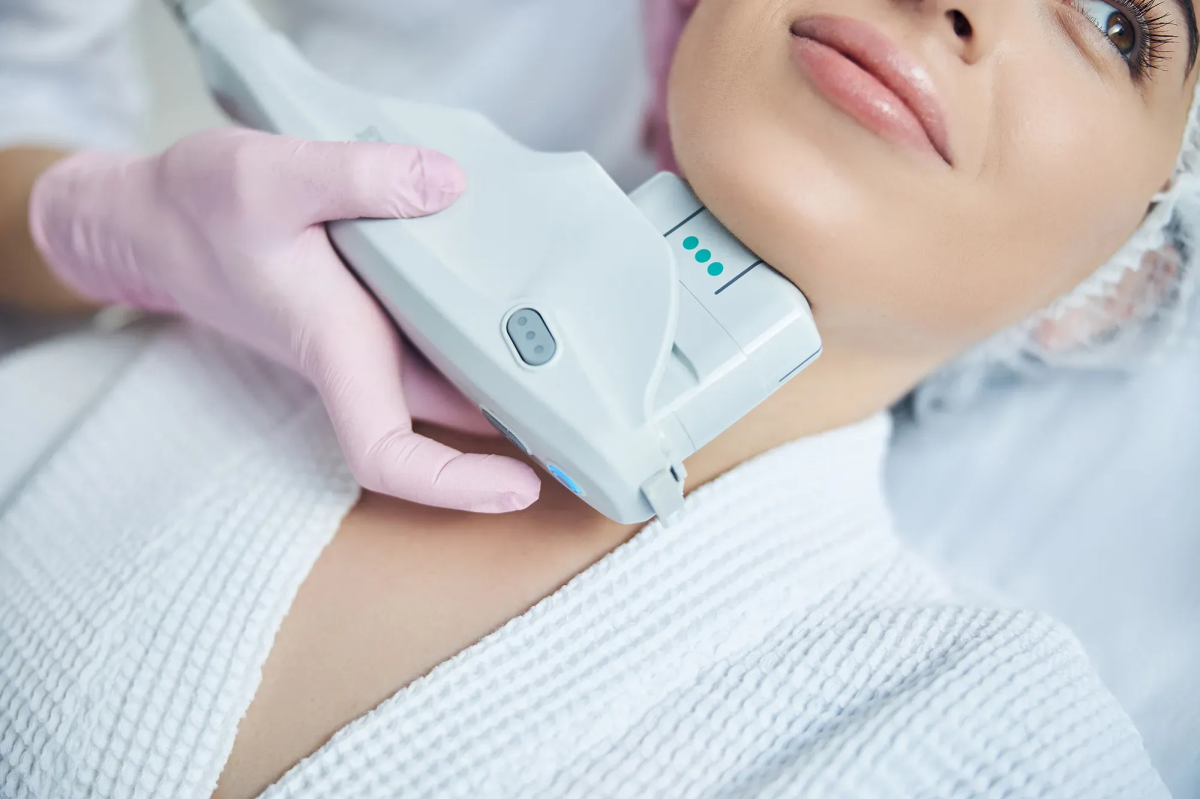
Ultherapy devices must meet international safety certifications before being used in Dubai. The technology is cleared by the U.S. Food and Drug Administration for non-invasive lifting of the brow, neck, and under-chin area, which influences acceptance in global markets. UAE authorities typically require proof of such approvals along with local registration through the Ministry of Health and Prevention (MOHAP).
Approved devices must:
- Deliver focused ultrasound energy at regulated depths
- Include real-time imaging capability for tissue visualization
- Meet electrical and radiation safety standards
This dual layer of international and local approval reduces the risk of counterfeit or substandard equipment entering clinical use.
Practitioner Qualification Requirements
Ultherapy is classified as a medical procedure in Dubai, meaning it cannot be performed by unlicensed technicians. DHA regulations require practitioners to hold relevant medical credentials and specific training in energy-based devices. This includes understanding facial anatomy, ultrasound energy delivery, and complication management.
Credentialing standards typically involve:
- A valid DHA professional license
- Documented hands-on training for Ultherapy systems
- Continuing medical education in aesthetic technologies
These measures ensure that treatment planning is based on clinical assessment rather than a one-size-fits-all cosmetic approach.
Patient Consultation and Informed Consent
Regulatory standards emphasize comprehensive pre-treatment consultation. Clinics must provide clear information about expected outcomes, suitability, and potential side effects. Written informed consent is mandatory and must be stored in the patient’s medical record.
Consultation protocols include:
- Medical history review
- Skin laxity evaluation using imaging guidance
- Discussion of realistic results and limitations
This structured process aligns with ethical practice guidelines and helps patients make informed decisions.
Facility Compliance and Infection Control
Healthcare facilities offering Ultherapy must follow strict infection prevention policies, even though the treatment is non-invasive. DHA inspections assess cleanliness, equipment maintenance, and waste disposal systems.
Key compliance areas include:
- Regular device calibration and servicing
- Use of single-use consumables where required
- Proper storage of ultrasound gel and medical supplies
These standards maintain clinical safety and reduce cross-contamination risks.
Advertising and Ethical Marketing Rules
Marketing of aesthetic treatments in Dubai is regulated to prevent misleading claims. Clinics cannot guarantee results or use before-and-after images that are not representative. Promotional content must reflect medically accurate information and avoid exaggerating outcomes.
Ethical advertising requirements:
- Evidence-based claims only
- Clear identification of risks and recovery expectations
- No comparison that misleads patients
This protects consumers from unrealistic expectations and supports transparent communication.
Data Protection and Patient Confidentiality
Healthcare providers must comply with UAE data protection laws when handling patient records. Ultherapy consultations, images, and treatment notes are classified as confidential medical data and must be securely stored.
Regulatory expectations include:
- Restricted access to patient files
- Secure digital record systems
- Consent for use of images in marketing
These safeguards reinforce patient trust and align with international privacy standards.
Post-Treatment Monitoring and Reporting
DHA guidelines require clinics to maintain follow-up protocols and report any adverse events. Even though Ultherapy has a strong safety profile, monitoring ensures early identification of rare complications such as prolonged redness or nerve sensitivity.
- Post-treatment standards involve:
- Documented aftercare instructions
- Scheduled follow-up assessments
- Incident reporting mechanisms
This structured oversight contributes to continuous quality improvement in aesthetic practice.
International Best Practices Influencing Dubai Standards
Dubai’s regulatory framework reflects global best practices in aesthetic medicine. Authorities often reference guidelines from recognized dermatology and plastic surgery associations to update local policies. This ensures that emerging technologies are evaluated through a scientific and safety-first lens before approval.
Global alignment supports:
- Standardized treatment protocols
- Evidence-based patient selection criteria
- Ongoing practitioner competency assessment
Such integration keeps Dubai positioned as a medically regulated aesthetic destination rather than a loosely monitored cosmetic market.
Why Regulatory Compliance Matters for Patients
Choosing a DHA-licensed clinic ensures that Ultherapy is performed using approved technology by qualified professionals in a medically compliant setting. Regulatory oversight minimizes risks associated with unverified devices, untrained operators, and improper treatment planning.
Patients benefit from:
- Verified device authenticity
- Medically supervised treatment planning
- Clear documentation and follow-up care
These factors contribute to safer outcomes and a higher standard of patient protection.
Conclusion
Regulatory standards governing Ultherapy in Dubai cover every aspect of the treatment journey, from device approval and practitioner licensing to patient consent and facility hygiene. Oversight by DHA and MOHAP ensures that non-invasive skin tightening is delivered within a medically controlled environment that prioritizes safety, transparency, and ethical practice. Understanding these frameworks allows patients to identify compliant providers and make informed decisions based on clinical credibility rather than marketing claims.