What Treatment Options Are Available For Rhinoplasty ?

Rhinoplasty Abu Dhabi offers a variety of treatment options tailored to meet individual needs and aesthetic goals. Patients seeking to enhance their facial harmony or correct structural issues can choose from different surgical and non-surgical procedures. The goal of these treatments is to improve the appearance and function of the nose, providing a boost in confidence and overall facial balance.
Surgical Rhinoplasty
Traditional Surgical Rhinoplasty
Traditional rhinoplasty is the most common option for those seeking significant changes to the nose's shape or size. This procedure involves making incisions either inside the nostrils or across the columella, the tissue between the nostrils. The surgeon then reshapes the bone and cartilage to achieve the desired results. It is suitable for correcting structural deformities, adjusting the nasal tip, or narrowing the nasal width.
Open Rhinoplasty
Open rhinoplasty is a variation of traditional surgery where a small incision is made across the columella, allowing for better visibility and access to the nasal structures. This method is particularly advantageous for complex cases, such as significant deformities or revisions. The open approach provides precise sculpting and reshaping, making it a popular choice for intricate corrections.
Closed Rhinoplasty
Closed rhinoplasty involves incisions made within the nostrils, leaving no visible scars. This technique is often preferred for minor adjustments, such as refining the nasal tip or slightly altering the nasal bridge. The procedure generally has a shorter recovery period and less swelling, making it appealing for those seeking subtle improvements.
Revision Rhinoplasty
For individuals who are unsatisfied with previous rhinoplasty results or have experienced nasal trauma, revision rhinoplasty offers an opportunity for correction. This procedure requires advanced skill and experience to address complex issues like scar tissue or altered nasal anatomy, restoring both function and aesthetics.
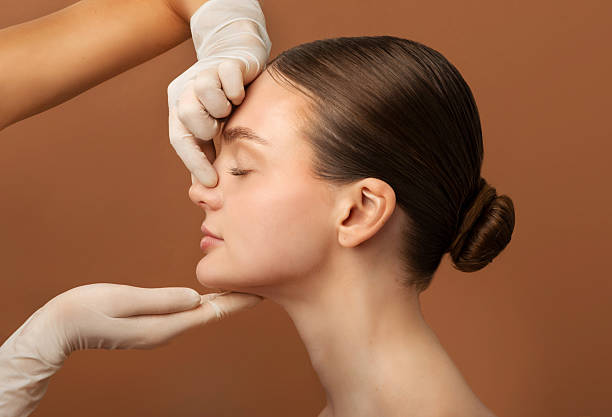
Non-Surgical Rhinoplasty
Dermal Filler Injections
Non-surgical rhinoplasty, often called liquid rhinoplasty, utilizes dermal fillers to reshape the nose temporarily. This minimally invasive treatment can smooth out bumps, lift the nasal tip, or improve asymmetry. It is an excellent option for those seeking subtle enhancements without surgery.
Advantages of Non-Surgical Options
No downtime or recovery period
Immediate results
Reversible and adjustable
Suitable for minor corrections and aesthetic adjustments
Limitations of Non-Surgical Rhinoplasty
While non-surgical options can produce noticeable improvements, they are not suitable for major structural changes or significant deformities. The results are temporary, requiring repeat treatments to maintain the desired appearance.
Choosing the Right Treatment
Factors to Consider
Desired outcome: Whether seeking a dramatic transformation or subtle enhancement
Structural issues: Correcting breathing problems or deformities
Personal preferences: Preference for non-invasive procedures or surgical options
Budget and recovery time: Weighing the benefits of each approach
Consultation Process
A comprehensive consultation with a qualified specialist is vital to determine the most appropriate treatment. During this session, the practitioner assesses the nasal structure, discusses aesthetic goals, and explains the benefits and limitations of each option.
Combining Procedures
In some cases, patients may opt to combine rhinoplasty with other facial procedures such as chin augmentation or cheek enhancement. Combining treatments can create a harmonious and balanced appearance, tailored to individual facial features.
Recovery and Results
Post-Treatment Expectations
For surgical rhinoplasty, initial swelling and bruising are common, with most swelling subsiding within a few weeks. Results become more apparent as healing progresses, with final outcomes visible after several months.
Non-surgical rhinoplasty results are immediate and can last from several months to over a year, depending on the type of filler used and individual factors.
Long-Term Satisfaction
Achieving long-term satisfaction depends on realistic expectations, proper aftercare, and the expertise of the clinician. Regular follow-up appointments help monitor healing and address any concerns promptly.
Frequently Asked Questions
What are the main differences between surgical and non-surgical rhinoplasty?
Surgical rhinoplasty offers permanent, more dramatic changes, suitable for correcting structural deformities or significant aesthetic concerns. Non-surgical rhinoplasty involves injecting fillers to make subtle, temporary adjustments, ideal for minor enhancements.
Is rhinoplasty in Abu Dhabi suitable for everyone?
Most individuals in good health with realistic expectations can consider rhinoplasty. A thorough consultation ensures suitability and helps determine the best treatment approach.
How long does the recovery process take?
Recovery varies depending on the procedure. Surgical rhinoplasty typically involves several weeks of swelling and bruising, while non-surgical options have minimal downtime, with results lasting several months to over a year.
Can rhinoplasty correct breathing issues?
Yes, rhinoplasty can address structural problems that impair nasal airflow, such as a deviated septum, improving both appearance and breathing function.
What should I consider before opting for rhinoplasty?
It’s essential to have clear aesthetic goals, understand the procedure's scope, and choose a qualified specialist who can guide through the process to achieve optimal results.
Conclusion
Rhinoplasty in Abu Dhabi provides a wide spectrum of treatment options, ensuring that each individual can find a solution that aligns with their goals and preferences. Whether opting for surgical precision or non-invasive enhancements, the focus remains on delivering natural-looking, satisfying outcomes that boost confidence and improve quality of life.
READ MORE : Can Rhinoplasty Fix a Crooked or Deviated Nose?