Which Small Mandir For Home Creates The Most Peaceful And Sacred Space?

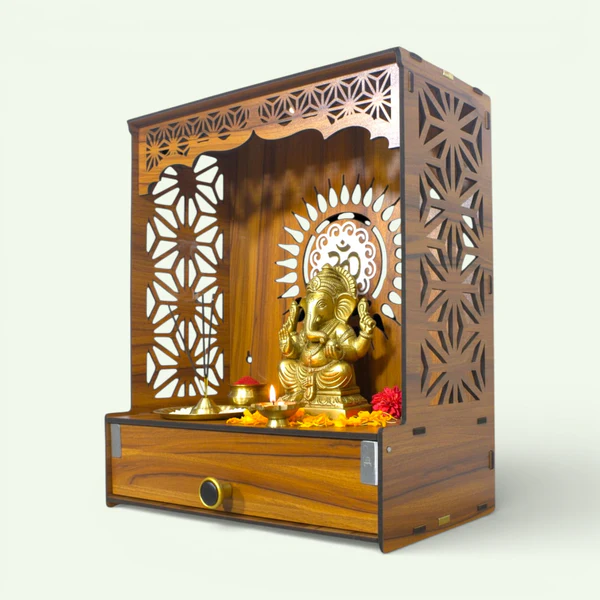
A mandir is more than a simple item of furniture. In the homes of many households, it is an area of tranquility, devotion and peace. If it is placed in the right area of the home it can encourage peaceful contemplation, thoughtful breathing and a sense of grounded ness. In our hectic world having a space that is devoted to reflection and prayer assists in balancing daily obligations with a sense of spiritual peace. Many find that stopping by their mandir every morning and evening gives them the feeling of peace and purpose which lasts for the remainder throughout the entire day. A small mandir for home that is well-chosen can transform the ordinary space into a tranquil refuge.
The Simple Power of a Sacred Space
The spiritual traditions of all cultures have designated places for meditation, prayer and contemplation. In Hindu mandirs, the home is the place to be honored. Even a modest mandir can bring order to the time of prayer and encourages regular practices. It can help family members take a moment to breathe, slow down and think about something greater than the daily routines. It creates a calm atmosphere that enhances emotional well-being. A home-based pooja ritual isn't just about appearance, it's about the intent that we place in it. As we burn a candle and place flowers on the table or pray the space is filled with calm and awareness. Simple daily rituals help to create an underlying rhythm that helps to maintain an unwinding mind and a receptive heart.
The location is important when creating an area of sacred significance. The ideal mandir will be facing either north or east according to many ancient traditions. This assists in bringing positive energy through the house. What is important is that the area is a place that feels calm and peaceful. A tranquil corner in your living space, or a peaceful place in the bedroom, or even a shelf that is lit by sun could work well as a mandir zone. It is important to select the spot where you are able to pause to reflect, relax, and be at peace. This one simple step—stopping and being present—means more than design or size all by itself.
Choosing the Right Style for Your Space
Small mandirs can be found in a variety of styles: simple shelves that have painted gods or wooden cabinets with doors or smaller temple designs with shelves for idols as well as prayer items. The selection is based on your personal preferences and your house's size. A minimalist mandir will blend nicely with modern decors and traditional wood carving design adds a sense of culture to your home. The materials used also matter. Wood gives warmth and a natural appearance, whereas brass accents give an elegant, timeless style.
When selecting a small mandir for home, consider the way it will fit into your everyday routine. If you like a tidy and uncluttered appearance and a minimalist mandir that has hidden compartments may be ideal for your style. If you have a family that loves traditional decor and regular dishes, then a mandir equipped with shelves that are open and room for candles, incense and small bowls makes the daily routine easy. The ideal mandir is inviting, drawing you in instead of feeling like an item of furniture.
How a Mandir Adds Calm to Daily Life
A mandir's presence within the house can impact the psychological state of the whole household. If it is placed in a thoughtful manner it serves as an image that reminds us to take a moment and reflect. Many people set a lamp or burn incense close to the mandir in the morning to create a calm atmosphere to start the day. In the evening, returning to the sacred area assists in releasing the tension of the day's stress. Small acts of meditation establish a rhythm of the activity and rest, motion and quiet.
A pooja mandir for home isn't required to have elaborate rituals in order to have an impact. A few minutes of solitude in front of the idol of a god or a simple prayer or listening to a gentle chant can calm a frantic mind. If families include children in these simple rituals typically, it creates the feeling of a sense of community and a sense of belonging. As time passes, these tiny instances shape the emotional core of the household, providing the stability needed to face challenges and shifts.
Creating a Peaceful Ambience Around the Mandir
Beyond the mandir, the space surrounding it creates a sense of peace. Clean lines, soft lighting and soft colors create a sense of calm instead of rush. A few people set up an unassuming cushion or mat on the mandir for sitting while they pray or meditate. Some hang a bouquet of flowers in bloom, or a simple garland is changed every day. These small gestures are gestures of love that strengthen the connections with the surroundings.
Candles and diyas, as well as soft, LED lighting that are used during prayer, can provide warmth and an atmosphere of ritual. Incense sticks or natural scents are also a great way to shift your mind away from distractions towards a more mindful state. Many families have bells, water bowls or prayer books in the vicinity to help them in their daily routines. It is important that the area around the mandir needs to be free of clutter. Clean, clear space allows energy to flow easily and minimizes visual distraction. It makes every visit to the mandir feel like stepping into an energizing, peaceful place, away from everyday life.
Everyday Rituals That Enhance Peace
A mandir is truly meaningful when used regularly. The daily rituals don't need to be complicated or lengthy. A simple meditation, light a candle or a bouquet of fresh flowers, or just taking just a few minutes in silent gratitude can help guide the mind towards peace. Some families have certain times for prayer (like early morning or late evening to end the day in peace). Others include spiritual songs or chants that touch their souls.
Participating with the family members in these little rituals helps create moments of quiet and purpose. Children learn to stop to breathe, reflect, and take a breath. Adults can find quiet moments that make the stress of the day feel more peaceful. As time passes, they develop routines that help to maintain the emotional equilibrium. Mandir is a place of refuge, an area that you want to visit rather than pass through without paying attention.
Caring for Your Mandir With Respect
A sacred space is one that requires attention. Maintaining your mandir at house clean and tidy fulfills the purpose for which it was created. Cleansing the altars, polishing the idols and freshening up your lights or flowers are all simple ways to demonstrate respect, not only for the mandir but also for your personal spirituality. Cleaning can become a meditation instead of a chore, an opportunity to pay attention to what is important.
Some choose certain dates, such as cleaning days or a month-long period, to clean their mandir and refresh their plans. Other people use special celebrations or holidays to embellish the mandir with more attention to detail. In every case the act of attending to the mandir is prayer in motion. It is the act of showing dedication not just through words, but through actions.
Finding the Right Mandir for Your Home
When picking a mandir, take into consideration your space, the way you live, and your daily routine. A mandir that is compact and simple lines could be ideal for homes with modern designs in which space is limited. A slightly larger mandir that has doors is great for families that want to organize their prayers and keep items organized. Whatever design you pick, the most important aspect is that it feels welcoming and meaningful.
A mandir isn't just an object of furniture; it's an integral component of your house's spiritual and emotional environment. It provides a sanctuary where thoughts slow and the heart is opened. A carefully chosen pooja mandir for home encourages habits of peace, mindfulness, presence, and gratitude that spill over into daily life.
For carefully created small mandirs that will make your space more sacred look through the assortment of Heartily Gifts—where dedication meets mindful living.