Why Ballet Is Becoming A Top Choice For Holistic Child Development In Singapore

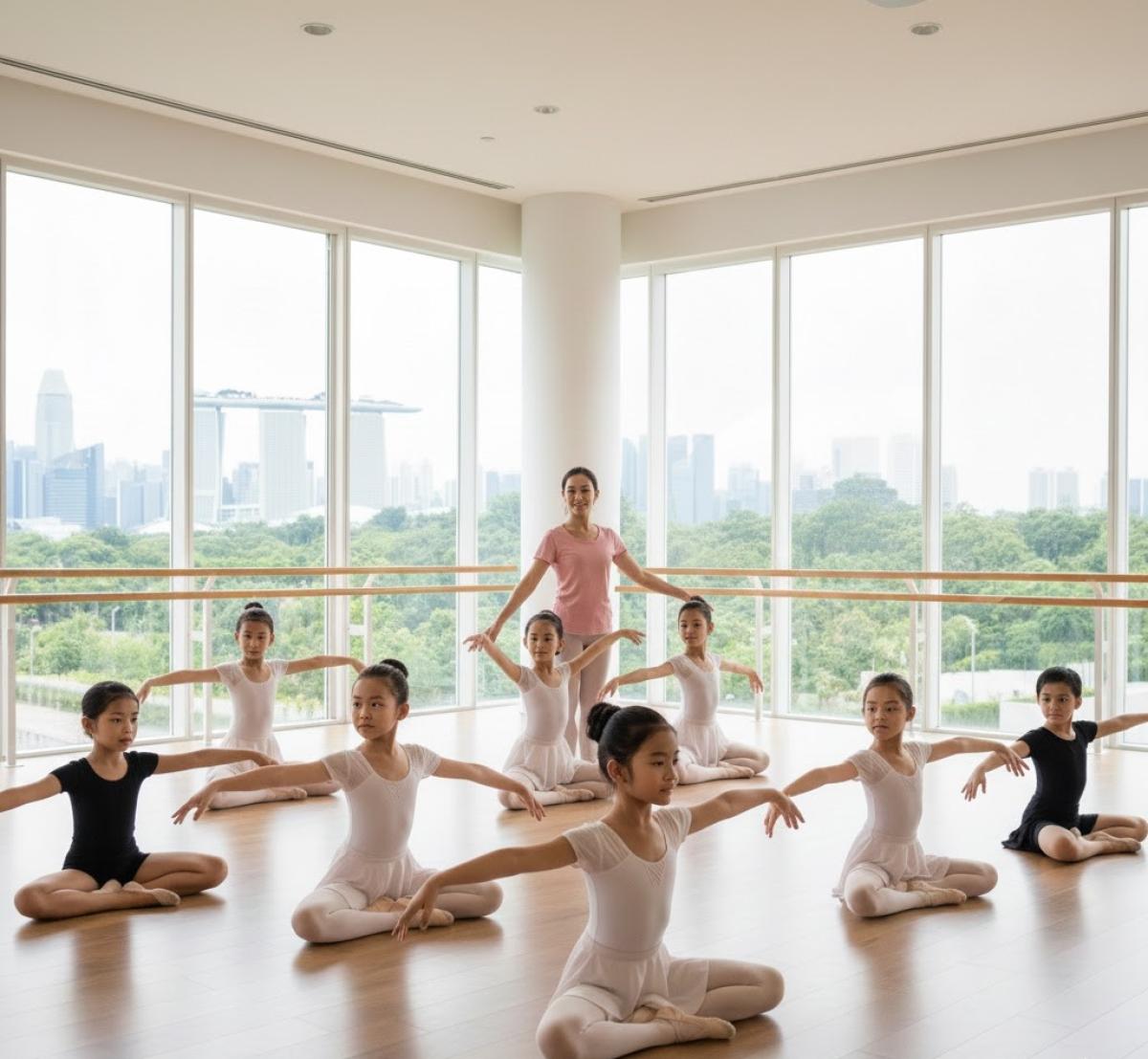
Many parents in Singapore want more for their children than good grades. While school builds knowledge, it does not always support the body or emotions. Children sit more, move less, and feel pressure early in life. As a result, many parents search for an activity that feels balanced and safe.
This is why ballet has gained strong interest. Ballet supports movement, focus, and self-control in one place. It also helps children feel calm and confident. Over time, families see changes that go beyond the studio.
This guide explains why Ballet Singapore has become a top choice for holistic child development and why it fits so well into a child’s daily life.
Why Holistic Child Development Matters Today
Children grow in many ways at once. Learning does not happen only in the classroom. It also happens through movement, play, and social contact.
In Singapore, children often face full schedules. School, tuition, and screen time take up most days. Because of this, many children lack space to move and express themselves.
Holistic growth supports the whole child. It includes:
- Physical strength
- Mental focus
- Emotional balance
- Social skills
Ballet supports each of these areas gently and clearly.
Ballet Singapore and Physical Growth
Strong Bodies Built with Care
Ballet trains the full body. Children use their legs, arms, and core in every class. Movements stay slow and controlled, which protects growing joints.
Unlike many sports, ballet does not rely on force. Instead, it builds strength through form and balance. Over time, children gain control and flexibility without strain.
Posture That Supports Daily Life
Poor posture often starts young. Ballet teaches children how to stand and move with care. These habits support the spine and muscles.
As a result, children often sit and walk better both in school and at home.
Mental Focus Through Ballet Training
Clear Structure Builds Attention
Each ballet class follows a set pattern. Children learn to listen, watch, and repeat. This structure supports focus and patience.
Because of this, many parents notice better attention during homework and lessons.
Memory and Body Control
Ballet requires children to remember steps and timing. They must move with music and follow cues.
This helps improve memory, coordination, and awareness of space.
Emotional Growth Through Movement
A Safe Way to Express Feelings
Children do not always talk about feelings. Ballet gives them another way to express emotion through movement.
Music and motion help children release stress and feel calm.
Confidence Built Step by Step
Progress in ballet happens over time. Children learn small skills before moving on.
Each success builds quiet confidence. Children feel proud of effort, not pressure.
Social Skills Learned in a Dance Academy
A dance academy offers more than training. It gives children a shared space where they grow together.
In ballet classes, children learn to:
- Take turns
- Follow group rules
- Respect teachers and classmates
Group practice also helps children feel comfortable around others.
Why Ballet Fits Singapore’s Lifestyle
Discipline Without Harsh Pressure
Singapore values structure and effort. Ballet matches this mindset while staying calm and kind.
Children learn discipline through routine, not fear.
Safe and Supportive Spaces
Most ballet studios in Singapore focus on safety. Floors, class size, and teaching style suit young learners.
Parents value the quiet and focused class setting.
Ballet Singapore Compared with Other Activities
Many activities help children grow. However, ballet offers a rare balance.
Sports often focus on speed and winning. Music lessons support creativity but limit movement. Ballet brings both together.
It supports:
- Physical strength
- Creative expression
- Mental focus
- Emotional balance
This balance suits children with many learning styles.
Choosing the Right Dance Academy in Singapore
Not all ballet schools offer the same quality. Parents should look beyond cost or distance.
What Parents Should Check
- Trained and patient teachers
- Clear lesson plans
- Small class sizes
- Clean and safe studios
A short visit or trial class often helps parents feel confident.
Starting Ballet at a Young Age
Early learning shapes long-term habits. Ballet builds strong foundations when children start young.
These include:
- Body awareness
- Self-control
- Comfort with learning new skills
Even if children stop later, these skills stay useful.
How Ballet Supports School Learning
Some parents worry about time. However, ballet often supports learning rather than distracts from it.
Children who attend ballet often show:
- Better focus
- Stronger routine habits
- Improved self-control
These traits support learning in school settings.
Ballet Singapore and Long-Term Benefits
Ballet benefits children not only within the dance studio. The skills practiced regularly remain relevant even when children grow older. In the long run, ballet instruction aids in establishing good habits that promote daily living.
- High Body Awareness: The children acquire the ability to move in a controlled, balanced, and cautious way, which enhances positive movement in daily activities.
- Long-Term Skills: Ballet helps with concentrating and listening skills, which aid kids in paying attention in school and elsewhere.
- Good Posture Habits: Routine practice of good posture translates to healthy posture. This helps in preventing strains while seated in class or when studying
- Quiet Self-Confidence: Rather than through urging or competition, children learn confidence as they work and achieve.
- Emotional Balance: Active movements and songs assist kids in dealing with stress and addressing the issue of staying calm.
- Positive Discipline: Ballet promotes routine and dedication, which helps develop children’s responsibility as they grow older.
Conclusion
Parents in Singapore want to raise their offspring in a healthy and well-balanced manner. Although education helps to provide knowledge, kids need to exercise, concentrate, and have emotional nurturing as well. Ballet classes provide all that in one place.
With Ballet Singapore, children develop strength without stress and confidence without pressure. Children learn to be self-disciplined yet maintain their creativity as well. Indeed, socialization also takes place in a serene environment for them.
As families search for activities to enhance the whole child, ballet has proven to be a simple, lasting option that will always remain a classic.
FAQs
Why ballet for boys in Singapore?
Yes. Ballet is quite appropriate for boys in Singapore. The training helps boys to develop strength, balance, and coordination. Discipline is also gained by boys as they concentrate. In Singapore, most dance studios have classes for boys alongside other boys and girls. Some learning institutions in Singapore offer classes tailored to different learning styles.
At what age should a child begin ballet?
Most dance academies also welcome children at the age of three years. The learning at this age revolves around movement, song, and rhythm. The children can learn only through playing. The teachers also gently teach them.
How many ballet classes should a child have?
For younger children, one to two dance classes a week will suffice. This will help them progress without stressing or tiring them out. They will also have ample time to rest and participate in other activities.
Can ballet help shy kids?
Ballets are actually very supportive of shy kids. The classes are more about movements and not speaking, making shy kids feel very comfortable. The kids are allowed to express their feelings through music and movement. Shy kids become very confident through dance classes.