Why DIY Weed Killer Fails (And When To Call A Weed Control Service)

You've done everything right. You bought the spray, read the label, treated the weeds on a dry afternoon just like the instructions said — and for a couple of weeks, things looked great. Then, almost like clockwork, the weeds came back. Thicker, sometimes. More stubborn than before.
If this sounds familiar, you're not doing anything wrong. The problem isn't you. It's the approach.
DIY weed killer has its place — but there's a reason why so many homeowners find themselves stuck in an endless cycle of spraying, waiting, and spraying again. Understanding why that cycle happens is the first step to actually breaking it.
The Real Reason DIY Weed Killer Doesn't Last
Walk into any garden centre and you'll find shelves packed with weed killers promising fast results. And to be fair, most of them do work — briefly. The issue is that the majority of over-the-counter products are designed to kill what's visible above the soil. They tackle the leaves and stems, but leave the root system largely untouched.
Weeds are incredibly resilient plants. Species like dandelions, bindweed, and couch grass can regenerate from even the tiniest fragment of root left behind. You spray the top, it dies back, the root survives underground, and within a few weeks you're back to square one. It's not a product failure exactly — it's a fundamental limitation of surface-level treatment.
There's also the issue of timing and application. Weed killers need specific weather conditions to be effective. Too much rain washes them away before they can work. Too much sun causes them to evaporate too quickly. Apply them at the wrong growth stage and they simply won't penetrate properly. Getting all of these variables right consistently is harder than it sounds, especially for someone doing it occasionally between work and family life.
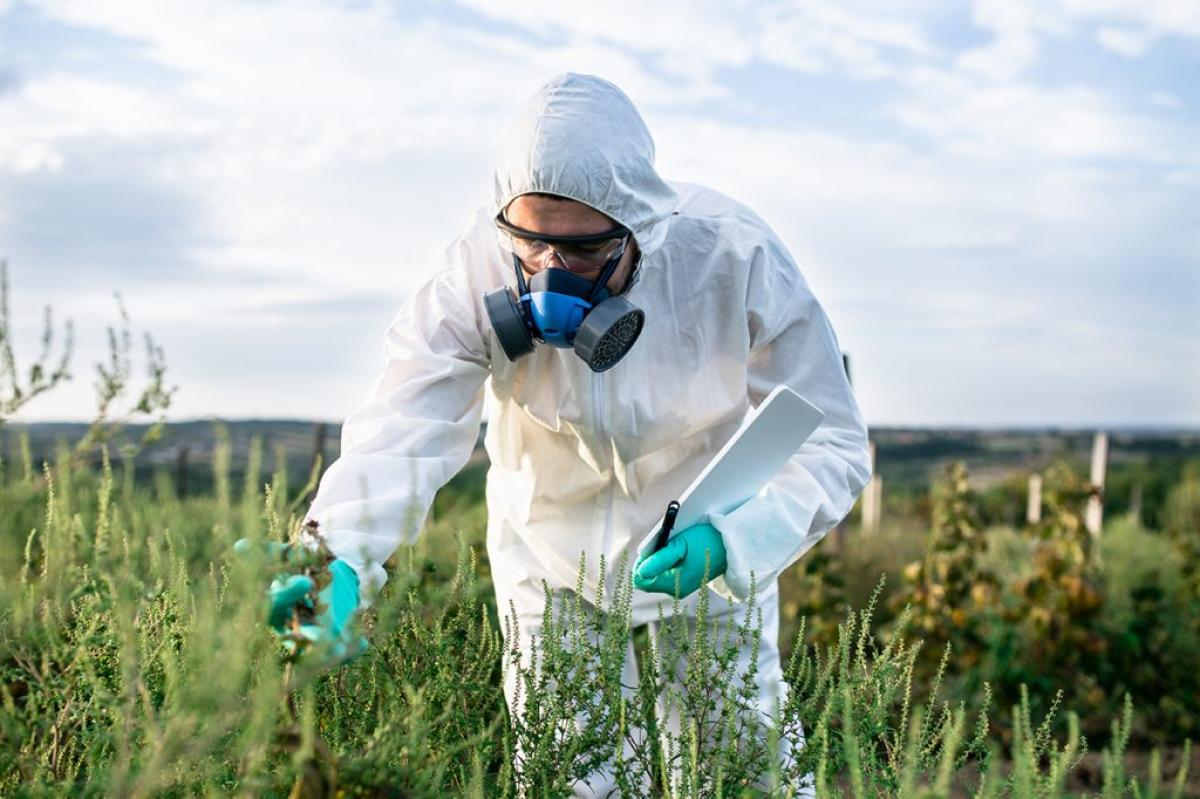
And then there's the question of safety. Many stronger formulas available to homeowners carry risks to surrounding plants, pets, and soil health if not handled correctly. Without professional training, it's easy to cause more damage than you fix.
When the Problem Goes Beyond a Bottle of Spray
Sometimes, what looks like a simple weed problem is actually something far more serious — and this is precisely when a professional weed control service becomes not just helpful, but necessary.
Take Japanese knotweed as a prime example. Knotweed removal is one of the most specialist areas within weed control, and for good reason. Japanese knotweed (Fallopia japonica) is one of the most aggressive invasive plants in the UK. It grows at a startling pace — up to 10cm per day during peak season — and its underground root system, known as a rhizome, can reach three metres deep and spread seven metres horizontally.
What makes knotweed genuinely dangerous isn't just how fast it grows. It's what it does. Over time, knotweed can force its way through concrete, tarmac, brick walls, and drainage systems — causing structural damage that costs thousands to repair. More critically, mortgage lenders can — and frequently do — refuse applications on properties where knotweed is present and untreated. If you're planning to sell your home, an untreated knotweed problem discovered during a survey can kill the deal entirely.
Attempting knotweed removal yourself creates its own serious risks. Digging it up incorrectly can spread the rhizome further across your land. Disposing of it improperly is actually a criminal offence under the Wildlife and Countryside Act 1981. This is not a plant you manage with a spade and a bag of garden waste. It requires licensed, trained professionals using specialist herbicide programmes carried out over multiple treatment cycles — typically spanning one to three years.
Signs It's Time to Call a Professional Weed Control Service
So how do you know when you've crossed the line from "DIY territory" into "call the experts" territory? Here are the clearest signs:
Your weeds keep coming back no matter what you try. If you've treated the same patch three or more times and nothing sticks, the root system is almost certainly still active underground. Surface treatment alone won't fix it.
You've spotted plants you don't recognise. Invasive species like Japanese knotweed, giant hogweed, and Himalayan balsam don't look like your average garden weed. If something appears unfamiliar and is spreading fast, get it identified by a professional immediately.
Your property is at risk. Weeds growing near building foundations, drainage systems, or retaining walls need professional assessment before they cause structural damage.
You're preparing to sell. A professional weed control service — and documented proof of treatment — can make a real difference when buyers and surveyors are assessing your property.
The area is simply too large. Managing weeds across a large garden, commercial land, or multiple plots is a full-time job. Professionals have the equipment, products, and manpower to handle it efficiently and thoroughly.
What a Professional Weed Control Service Actually Does Differently
This is where companies like Sherratt Group Ltd make a genuine difference. Professional weed control isn't just stronger spray — it's a completely different methodology.
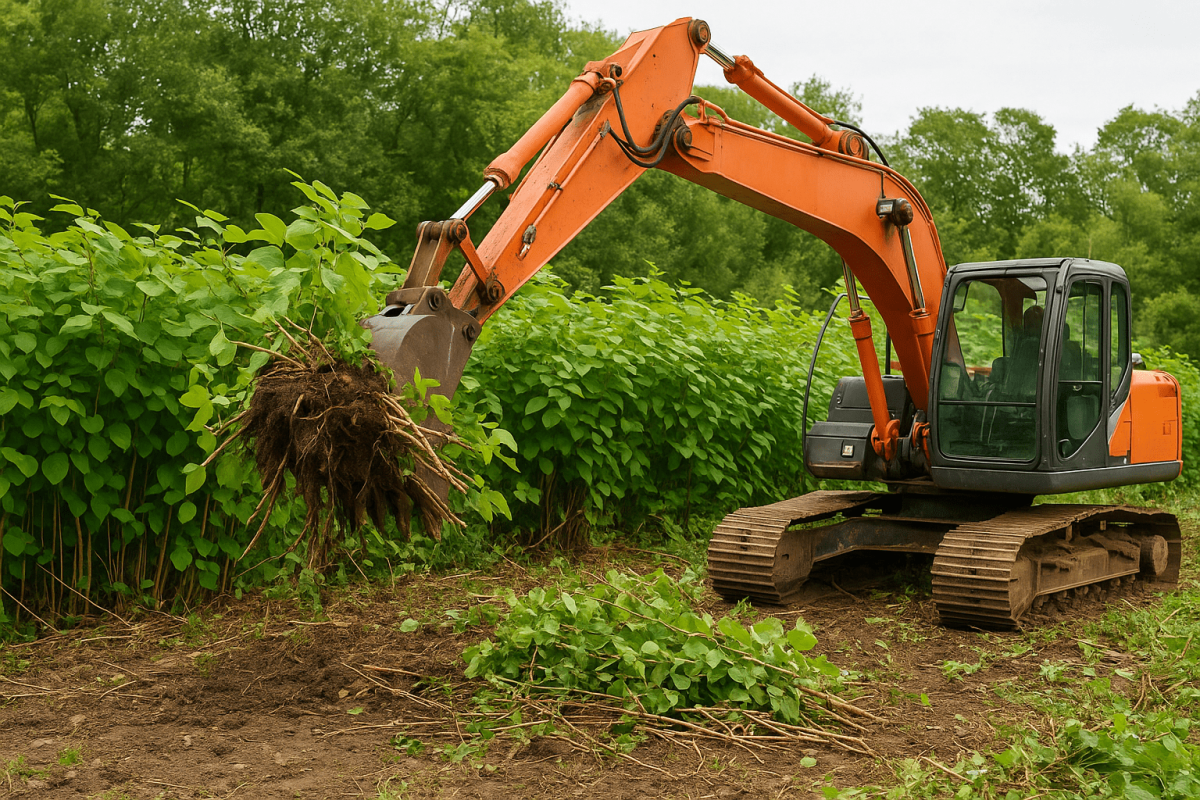
It starts with a thorough site assessment. Rather than guessing, professionals identify every weed species present, assess the extent of root spread, and evaluate the underlying conditions — soil type, drainage, shade, moisture — that are allowing weeds to thrive in the first place. Fixing those conditions is often just as important as treating the weeds themselves.
From there, a targeted treatment plan is developed. This might include selective herbicide application that destroys specific weed species while leaving your grass and plants unharmed, physical excavation for particularly stubborn root systems, or a multi-season management programme for invasive species requiring knotweed removal.
Crucially, professional treatments use products and concentrations that simply aren't available over the counter. They're applied at the right time, in the right conditions, with the right protective measures in place.
The result isn't just a weed-free garden for a couple of weeks. It's a properly managed outdoor space that stays clear over time — because the problem has been treated at the source, not just the surface.
The Bottom Line
DIY weed killer isn't useless. For the occasional dandelion on a small lawn, a standard spray will do the job well enough. But for persistent problems, invasive species, large areas, or anything involving knotweed removal, trying to handle it yourself is an exercise in frustration — and potentially a costly mistake.
Knowing when to call a professional weed control service isn't admitting defeat. It's making a smart, informed decision that saves you time, money, and a whole lot of stress in the long run.
Your outdoor space deserves better than an endless cycle of temporary fixes. And honestly? So do you.