Why Every Parent Should Consider A Top Rated Children Language App

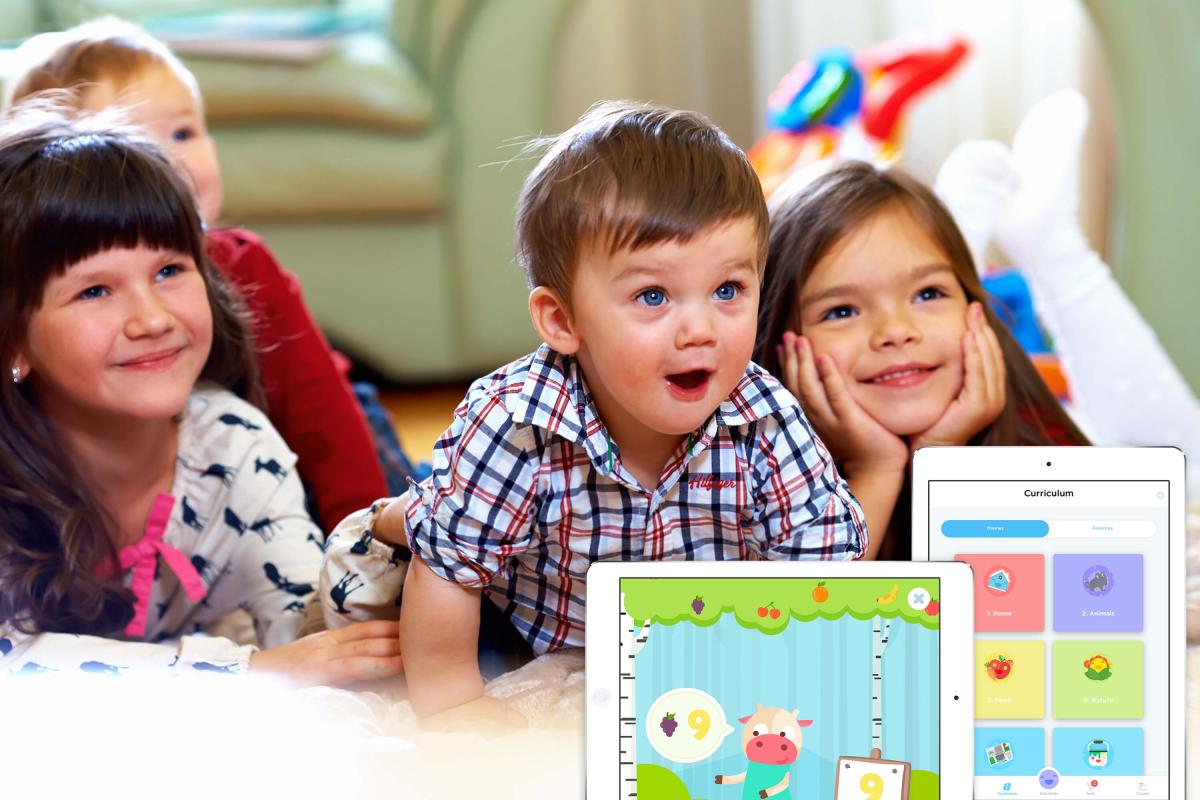
Okay, so I wasn’t exactly thrilled about the whole “toddler and a tablet” situation at first.
If you’re a parent, you know the drill. It’s 6:30 AM, you’re trying to pack a lunch, find the missing left shoe, and drink a cup of coffee before it turns into iced coffee. And your kid? They’re practically vibrating. So, you hand over the tablet. Just for ten minutes. Just to breathe.
I used to feel so guilty about it. I'd watch my four-year-old, Leo, completely zoned out, watching some teenager unbox plastic eggs on YouTube. I kept thinking — is this really what we’re doing? Melting his brain before breakfast?
I mean... I wanted to be that mom. The one who does wooden Montessori puzzles and bakes organic muffins while speaking to her children in fluent French. But I took exactly two years of high school Spanish, and the only phrase I confidently remember is ¿Dónde está la biblioteca? Not exactly helpful unless Leo suddenly needs to find a library in Madrid.
So, the tablet stayed. It is what it is, right? But I decided I had to change what was on it.
I went down the rabbit hole. You know the one. Late at night, scrolling through the app store, downloading everything that said "educational." Most of it was absolute garbage. Seriously. Half of them were just flashy games with a math problem slapped on the end so they could call it "learning." The other half were basically digital flashcards. Leo looked at one of those for about twelve seconds before asking for the egg unboxing guy again.
I was about to give up. Then a friend of mine — one of those moms who somehow always has her life together — mentioned she downloaded a top rated children language tablet app for her daughter. She said it was actually working. I was skeptical. Kinda figured her kid was just a genius. But I was desperate enough to try.
The first thing I noticed was that it didn't look like a textbook. It looked like a game.
I handed it to Leo the next morning during the usual pre-school chaos. I didn't say, "Here, learn Spanish." I just opened the app and left it on the counter. He gravitated toward it. Naturally. It was colorful, there were these funny little characters, and it didn't feel like a chore.
I listened from the kitchen. Instead of the usual chaotic sound effects of cars crashing or whatever, I heard him giggling. And repeating words. Gato. Perro. Rojo.
Wait — scratch that. I didn't actually believe he was retaining anything at first. I figured he was just parroting the sounds to get to the next level of the game. Kids are smart like that. They know how to game the system.
But then a couple of weeks later, we were at the grocery store. The absolute worst place to be with a tired four-year-old. I’m rushing through the produce section, throwing apples into a bag, just trying to survive the trip without a meltdown.
Leo points at a massive pile of green apples. "Verde," he says.
I stopped. I looked at him. "What did you say, buddy?"
"Manzana verde. Green apple." He didn't even look up. Just kept kicking his feet in the cart.
I honestly forgot to breathe for a second. It wasn’t just cool — it was… kind of mind-blowing. My kid, who throws a tantrum if I cut his sandwich into squares instead of triangles, was casually dropping Spanish vocabulary in the middle of Aisle 4.
That’s the thing about kids' brains. They’re basically sponges, right? We hear that all the time. But seeing it happen in real time is wild. They don't learn the way we do. If I try to learn a language now, I'm stuck memorizing conjugation tables and stressing about grammar. It feels like work. For them? It’s just play.
I started looking more closely at what he was actually doing on the tablet. The app wasn't just throwing words at him. It was contextual. If he had to feed a cat, he would learn the word for cat. If he had to pick up blocks, he learned the colors. It made sense to his little brain in a way that flashcards never could.
And there were these catchy little songs, too. I’m not gonna lie, they get stuck in your head. I caught myself humming a Spanish counting song in the shower the other day. I don’t even speak Spanish! But the repetition, the music... it just works. It bypasses that part of the brain that tries to overcomplicate things and just plants the words right in there.
Another huge thing? No ads. You don't realize how pervasive ads are until you watch a toddler navigate YouTube. They click one wrong thing and suddenly they're watching a commercial for life insurance or some bizarre mobile game. With a good app, it's just a closed loop. A safe little bubble where I don't have to hover over his shoulder every five seconds to make sure he hasn't accidentally bought a subscription to something.
Honestly? It completely changed my relationship with screen time.
I stopped feeling that heavy, terrible pit of guilt every time I handed him the iPad. I wasn't just buying myself 15 minutes of peace anymore. I was actually giving him something valuable. It was a massive shift. I mean, we all need a break sometimes. Parenting is relentless. But there’s a huge difference between mindless scrolling and interactive learning.
Finding a top rated children language app didn't turn me into the perfect mom. My house is still a mess. We still eat chicken nuggets more often than I’d like to admit. But it took one thing off my "stuff I'm doing wrong" list.
Sometimes, I'll sit with him and play, too. We'll try to say the words together. I'm terrible at it. My pronunciation is a joke, and he thinks it's the funniest thing in the world when I mess up. It’s actually become this weirdly sweet bonding thing. Who knew a screen could do that?
I read somewhere that learning a second language early on actually helps with problem-solving and critical thinking. It literally wires their brains differently. I don't know the exact science behind it — I'm not a neurosurgeon — but it makes sense. Ever since he started picking up new words, he just seems more curious. He asks more questions about how things are called, even in English. It’s like a switch flipped.
Look, I get it. There is so much noise out there about what we should and shouldn't be doing with our kids. No screens before two, limit screens after three, only educational content, make sure they get outside... It's exhausting. You can't win.
But I really think this is one of those rare parenting hacks that actually works for everyone. The kid gets to play a fun game. You get to drink your coffee while it's still hot. And somewhere along the way, they accidentally learn a second language.
It’s not about turning them into bilingual prodigies by kindergarten. It’s just about opening a door. Giving them a tiny little head start in a world that’s getting smaller and more connected every single day.
Plus, the confidence it gives them. The other day, my mom came over. Leo proudly walked up to her, held out his favorite blue toy car, and shouted, "Azul!" My mom almost dropped her purse. The look on his face? Pure pride. He knew something she didn't, and he loved it.
I still don’t know how to explain it fully. It wasn't fancy — but it felt right.
So yeah, if you're drowning in unboxing videos and feeling that familiar screen-time guilt creeping in, maybe switch it up. It doesn't have to be a big dramatic thing. Just swap out the mindless stuff for something better.
I said I'd never be the mom who relied on a tablet. I did not play it cool. But honestly? Getting Studycat app was probably one of the best decisions I've made this year.
And if nothing else, at least now when we go to a Mexican restaurant, he knows how to confidently ask for more cheese. Which, let's be real, is an essential life skill.