Why Fuel Systems Test Service Is Critical For Preventive Maintenance?

The performance, reliability, and safety of engines across the automotive, industrial, marine, and aviation sectors depend on fuel systems and their operation. The fuel delivery system experiences efficiency loss, increased emissions, and unexpected breakdowns due to even small faults. Regular testing helps businesses and vehicle owners achieve their goals. It helps them detect problems before they happen and maintain their equipment in optimal condition.
The purpose of investing in Fuel Systems Test Service goes beyond fixing existing problems because it provides organizations with protection against potential operational disturbances. The process of conducting routine inspections helps organizations manage fuel quality more effectively while achieving constant engine performance during difficult circumstances. The proactive management of fuel systems provides organizations with extended equipment life, operational stability and better system performance.
In this blog, we will discuss the value of Fuel system diagnostic services for preventive maintenance planning.
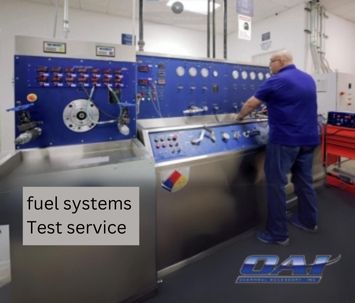
Early Detection of Fuel System Issues
Small problems must be found through preventive maintenance because they lead to major system breakdowns. Fuel systems test service detects hidden system problems that remain undetectable until they cause visible defects.
- Identifies Fuel Contamination
Testing can detect water, debris, or impurities in the fuel system, which may cause damage to injectors and pumps as time passes.
- Detects Leaks and Pressure Irregularities
Fuel pressure imbalances and minor leaks decrease system performance while creating hazardous situations. The initial testing process needs to be completed because it helps to quickly solve these issues.
- Reveals Worn-Out Components
Injectors, fuel pumps and filters experience natural performance decline through their normal usage. Routine testing highlights declining performance before total failure occurs.
- Prevents Sudden Engine Malfunctions
Businesses can maintain their operations through scheduled maintenance by detecting engine problems at their initial stages.
Improving Engine Performance and Efficiency
The engine performance, fuel efficiency and complete system efficiency depend on the correct operation of the fuel system. Regular fuel systems test service improves system performance by enhancing efficiency.
- Ensures Proper Fuel-Air Mixture
The system guarantees that the engine receives the correct fuel-to-air ratio, which results in better combustion performance.
- Enhances Fuel Economy
When fuel systems operate efficiently, engines consume less fuel, which leads to reduced operational costs throughout the equipment's lifetime.
- Supports Smooth Engine Operation
The system provides constant fuel delivery, which results in smoother engine performance by preventing rough idling, hesitation and power loss.
- Reduces Harmful Emissions
The process of efficient combustion produces lower carbon emissions and harmful exhaust emissions, helping the company meet environmental standards.
- Optimizes System Calibration
Technicians use fuel systems testing to adjust system components, such as setting the correct Hydraulic Cracking Pressure, to achieve optimal performance and responsiveness.
Preventing Costly Repairs and Downtime
The most important benefit of fuel systems test services is to help organizations avoid unnecessary spending. The need for emergency repairs results in high costs and business interruptions for commercial and industrial settings.
1. Avoids Major Component Failures
The system experienced complete destruction because the system operator failed to address minor fuel system problems, which resulted in major engine components being damaged. The testing process, through its preventive nature help decrease these particular threats.
2. Minimizes Unplanned Downtime
The costs for scheduled maintenance work remain below the expenses required to fix equipment that breaks down without warning. The engine operates for a longer period because its operation depends on correct fuel system maintenance.
3. Extends Engine Lifespan
The correct management of fuel systems decreases engine stress, which enables equipment to operate for extended periods without operational issues.
4. Reduces Maintenance Costs Over Time
The system creates lower maintenance expenses because it enables organizations to fix equipment problems through inexpensive repair work. It helps them avoid complete equipment replacements.
5. Improves Operational Planning
Predictable maintenance schedules help businesses service equipment without disrupting operations, especially when partnering with a certified FAA Approved Repair Station.
Wrapping It Up
The practice of preventive maintenance requires organizations to plan upcoming work activities and execute their plans while achieving cost savings throughout the equipment's lifespan. Fuel Systems Test Service delivers professional assessments that provide essential information to maintain peak engine efficiency and protect against unexpected breakdowns. The process of regular testing lets organizations identify concealed problems at an early stage, which helps them achieve better fuel efficiency while avoiding expensive maintenance costs. The presence of even minor operational inefficiencies in today's competitive performance-driven business environment results in major financial losses for organizations. The regular testing of fuel systems, which organizations implement in their maintenance schedules, helps vehicle owners and organizations build better system reliability.