Why Growing Industries Are Re-Engineering Their Cabling

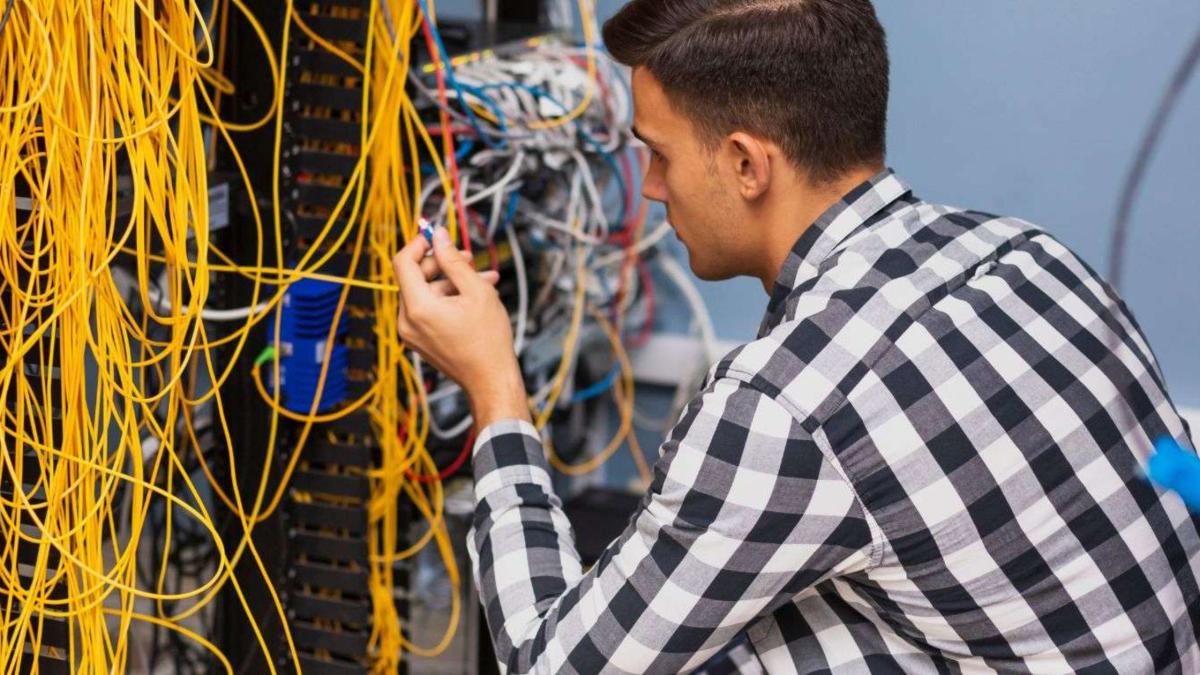
Every thriving business is a data machine. Companies are pushing more information, faster, than ever before. Cloud computing, massive video files, and the Internet of Things (IoT) all place incredible stress on infrastructure. For growing industries, relying on old wiring is like trying to drive a race car on bicycle tires. It simply will not work.
The biggest secret to sustained growth is often hidden in the walls and under the floors. It is the cabling infrastructure. Growing companies are re-engineering their cabling because legacy systems introduce bottlenecks. They cannot handle modern bandwidth demands. Investing in a structured network is a strategic business decision. It is the only way to ensure the physical layer supports the digital ambitions of your company.
The Costly Performance Drag of Legacy Cable
Many commercial spaces are still wired with older standards. Think Category 5e (Cat5e) or even earlier. These cables were fine for basic internet and simple file sharing. They are completely insufficient for today’s demands. Running high-definition video conferencing or constant cloud backups on old cables creates constant drag.
This drag is the performance gap that slows everything down. You get dropped connections and frustrating lag. Employees waste precious time waiting for files to transfer. The company pays for high-speed internet service. The outdated cable chokes the connection before it reaches the desk.
Re-engineering involves swapping old copper for modern, high-grade options. Upgrading to Cat6A or even fibre optic cable provides massive bandwidth headroom. Cat6A supports 10 Gigabit Ethernet (10GbE) speeds. This is ten times faster than the maximum speed of Cat5e. This change removes the bottleneck. It allows businesses to utilize the full speed they pay for. This speeds up every digital task immediately.
Supporting the Bandwidth Revolution of IoT and AI
Growing industries are adopting advanced technologies. These technologies are huge consumers of bandwidth. Automated manufacturing lines, dense office sensors, and advanced security systems all rely on the network. These are the devices that require a re-engineered infrastructure.
IoT devices do not just need data. They also need power. The move to Power over Ethernet (PoE) simplifies installation. It consolidates power and data onto a single cable. New PoE standards can deliver much more power. Older cabling cannot handle this increased electrical load without overheating.
High-Power PoE: New devices like high-resolution IP cameras and powerful Wi-Fi 6/7 access points require high-wattage PoE. Cat6A cabling is better designed to dissipate this heat safely.
Fibre for Backbone: Core systems like data centres and main server rooms need non-stop, high-speed connectivity. Fiber optic cabling provides near-limitless bandwidth over distance with zero electromagnetic interference. This is a vital re-engineering step for any Commercial network cabling in Toronto project.
Re-engineering involves replacing the main backbone links with fibre. It means replacing old copper drops with Cat6A. This creates a powerful, efficient highway for all modern data and power needs.
Building for Scale: The Flexibility Advantage
Rapidly growing companies constantly change their floor plans. They add new desks. They move entire departments. A poorly wired system makes these changes disruptive and costly. Technicians must fish new cables or trace tangled lines every time a desk moves.
Structured cabling is the answer to this growth challenge. It is a standardized, modular design. The system runs cables from every potential workspace back to a central, organized patch panel. Every connection is clearly labelled.
When a company needs to add a new workstation, the work is simple. The technician plugs a patch cord into the new work area’s port on the patch panel. There is no messy installation in the walls. The ability to make moves, additions, and changes (MACs) quickly and cheaply is a huge advantage. This flexibility ensures the network can keep pace with the business's physical expansion without causing downtime. It makes scalability a routine task, not a major headache.
Mitigating Risk: Cybersecurity and Interference
A modern network must be highly secure and reliable. Older, unshielded cabling is more susceptible to signal degradation from external noise. Electromagnetic interference (EMI) from fluorescent lights or motors can corrupt data. This leads to slow speeds and packet loss.
Re-engineering includes moving to shielded twisted pair (STP) cables in noisy industrial environments. The shielding acts as a protective barrier. It keeps the data signal clean and intact. A clean signal is a more secure signal.
Furthermore, a well-organized structured system enhances physical security. All network equipment is centralized and secured in a single telecom room. Access is restricted. Network Cabling in Toronto that is messy and unlabelled invites unauthorized access or accidental disconnection. Re-engineering brings order. This order allows IT teams to monitor, segment, and secure the network more effectively. Order reduces risk.
Simplification of Maintenance and Downtime Reduction
The hidden cost of bad cabling is troubleshooting time. When the network fails, IT staff must spend hours tracking down the fault. They must navigate a chaotic web of unmarked, tangled wires. This downtime quickly becomes extremely expensive for any industry.
Structured cabling systems are designed for simple maintenance. Every cable, jack, and port is clearly colour-coded and labelled according to industry standards. If a connection fails, the IT technician can trace the fault instantly from the work area jack to the patch panel port.
This efficiency is transformative. It cuts troubleshooting time from hours to minutes. Minimizing downtime is essential for industries like finance, healthcare, and manufacturing. These sectors operate on extremely tight schedules. A small investment in organized re-engineering pays massive dividends in reduced emergency repair costs and maximized productivity.
The Smart Investment for Sustained Growth
The rapid digital transformation of growing industries necessitates a complete re-think of their physical network infrastructure. They are re-engineering their cabling not just to fix current problems. They are doing it to create a reliable foundation for future technologies like Wi-Fi 7 and edge computing. They are investing in speed, flexibility, and security.
Clever Cabling provides expert Commercial network cabling in Toronto and surrounding areas. They specialize in the re-engineering of legacy networks into modern, structured systems. Clever Cabling uses certified copper and fibre optic solutions. Their meticulous installation and clear documentation guarantee maximum performance and scalability. This allows their clients to operate with minimized downtime and a clear path for future growth.