Why Is A Panoramic X-Ray Important Before Tooth Extraction?

When it comes to planning a tooth extraction, precision and safety are crucial. One essential diagnostic tool dentists rely on is the Dental Panoramic X-ray in Islamabad , which provides a comprehensive view of your teeth, jawbone, and surrounding structures. This imaging technique allows dental professionals to make informed decisions, minimize complications, and ensure a smoother recovery process. In this guide, we answer the most common questions patients have about panoramic X-rays and their role in tooth extraction.
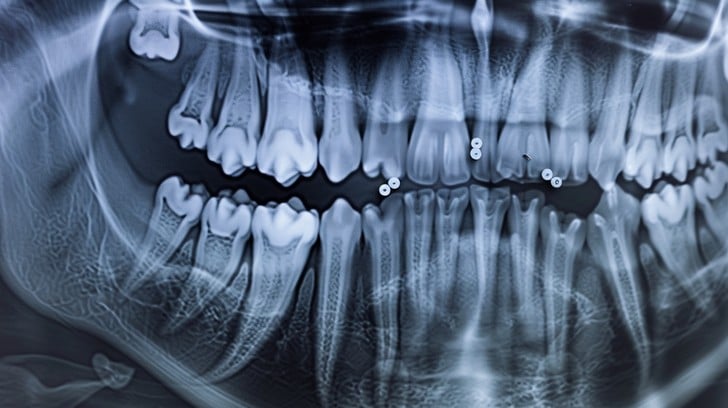
What Is a Panoramic X-Ray and How Does It Work?
A panoramic X-ray is a type of dental imaging that captures the entire mouth in a single image. Unlike traditional X-rays that focus on a small section of teeth, panoramic X-rays provide a broad view of both the upper and lower jaws, including:
Teeth and their roots
Jawbones (mandible and maxilla)
Temporomandibular joints (TMJ)
Sinus cavities
During the procedure, the machine rotates around your head while you remain still. The process is quick, painless, and exposes you to minimal radiation.
Dentists use this detailed image to evaluate tooth alignment, bone density, and the position of impacted or wisdom teeth.
Why Is a Panoramic X-Ray Needed Before Tooth Extraction?
Before any tooth extraction, understanding the surrounding anatomy is critical. A panoramic X-ray helps dentists: Identify tooth position – Some teeth, like wisdom teeth, may be impacted or angled incorrectly.
Detect underlying issues – Cysts, tumors, or infections can be spotted before surgery.
Assess bone structure – Strong jawbone is necessary for safe extraction and potential implants.
Plan surgical approach – Knowing the exact location of nerves and sinuses reduces complications.
Without this imaging, dentists risk unexpected challenges during extraction, which can lead to prolonged healing or additional procedures.
Are There Any Risks Associated with a Panoramic X-Ray?
Panoramic X-rays are generally safe and involve very low radiation exposure, far less than a CT scan. Risks are minimal, but some considerations include:
Pregnancy: Although the radiation is low, pregnant patients should inform their dentist.
Radiation sensitivity: Children or individuals with certain medical conditions may require precautions.
Overall, the benefits of having a clear, full-mouth image far outweigh the risks, particularly when planning a tooth extraction.
How Does a Panoramic X-Ray Help in Wisdom Tooth Removal?
Wisdom teeth are commonly impacted, meaning they are trapped in the jaw and cannot fully emerge. A panoramic X-ray is invaluable for:
Mapping the position of the tooth – Helps dentists determine if surgery is necessary.
Identifying nerve proximity – Protects the inferior alveolar nerve, which runs close to lower wisdom teeth.
Detecting potential complications – Such as cysts or misalignment affecting neighboring teeth.
By visualizing these factors beforehand, dentists can plan a less invasive extraction, reducing pain, swelling, and recovery time.
How Accurate Are Panoramic X-Rays for Tooth Extractions?
Panoramic X-rays are highly reliable for planning extractions. While they do not show the fine details of soft tissues, they provide an excellent overview of bone, teeth alignment, and potential anomalies.
Key Advantages:
Captures all teeth in a single image
Highlights jawbone density for safe extraction
Identifies hidden problems like cysts or impacted teeth
For cases requiring ultra-detailed imaging (e.g., complex surgical extractions or implant placements), dentists may combine panoramic X-rays with CBCT scans for a 3D view.
How Often Should You Get a Panoramic X-Ray?
The frequency depends on individual dental needs. General guidelines include:
Routine check-ups: Every 3–5 years for adults
Before extractions or implants: Always recommended
When experiencing dental pain or trauma: As advised by your dentist
Regular imaging ensures early detection of dental problems, minimizing the risk of complicated surgeries in the future.
Quick Facts About Panoramic X-Rays Before Tooth Extraction
Feature
Details
Purpose
Full-mouth imaging for assessment and surgical planning
Radiation Exposure
Low, comparable to a few days of natural background radiation
Duration
Usually 10–20 seconds
Safety
Safe for most adults; precautions needed for pregnant women
Benefits
Detects impacted teeth, jawbone issues, cysts, nerve location, and planning for implants
Alternative Imaging
Bitewing X-rays, periapical X-rays, CBCT scans
Reviews – What Patients Say
"I was nervous about my wisdom tooth extraction, but the panoramic X-ray helped my dentist plan everything. The surgery was smooth, and my recovery was fast."
"I didn’t realize how important the X-ray was until my dentist pointed out a hidden cyst. I’m glad it was detected early."
"The process was quick and painless. Seeing the full view of my teeth made me more confident in my treatment plan."
Contact Us
If you are considering a tooth extraction or want to ensure safe, precise dental care, contact our clinic for professional guidance. Our team specializes in advanced imaging and expert surgical planning to make your treatment comfortable and effective.
Address : Office Number LG 20 - 21 Interlace Plaza I-8 Markaz Islamabad
Phone : +92 333 5705871
Email : info@glamorousclinic.com.pk
Panoramic X-rays are more than just an image—they are a roadmap for safe, efficient, and predictable dental extractions. With the right imaging, your dentist can minimize complications, protect surrounding structures, and provide the best possible outcome for your oral health.