Why Is Masala Important In Indian Food?

Indian cuisine is known around the world for its rich flavours, vibrant colours, and irresistible aromas. At the heart of this culinary tradition lies one powerful element — masala. From everyday home-cooked meals to festive feasts, masala plays a defining role in shaping the taste, character, and identity of Indian food.
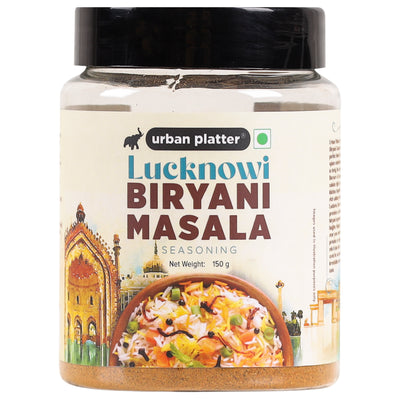
But why is masala so important in Indian cooking? Let’s explore its cultural, culinary, and health significance.
What Is Masala?
The word “masala” simply means a blend of spices. In Indian cooking, masala refers to a carefully balanced mixture of spices that creates depth of flavour in dishes. These blends can be dry or wet and vary by region, household, and recipe.
Some popular types of masala include:
- Garam masala
- Chaat masala
- Sambhar masala
- Pav bhaji masala
- Biryani masala
Each masala has a unique aroma and taste, designed to complement specific dishes.
The Soul of Indian Cuisine
Masala is often described as the soul of Indian food. While vegetables, grains, lentils, and meats form the base of a dish, it is the masala that brings everything together.
A simple potato curry, for example, can taste completely different depending on the masala used. The right blend transforms ordinary ingredients into a flavourful experience.
Without masala:
- Curries would taste flat
- Gravies would lack aroma
- Street food would lose its signature punch
- Regional dishes would lose their identity
Masala is what gives Indian food its unmistakable personality.
Regional Diversity Through Masala
India’s diversity is beautifully reflected in its masalas. Every region has its own spice blends based on climate, crops, and cultural preferences.
- North India uses warm spices like cumin, coriander, cardamom, and cloves
- South India features curry leaves, mustard seeds, and dried red chillies
- West India loves bold flavours with garlic, coconut, and kokum
- East India uses panch phoron, a five-spice blend
These regional masalas help preserve culinary traditions passed down through generations.
Enhances Aroma, Colour, and Taste
Masala does more than just add heat. It enhances:
Aroma
Spices like cinnamon, cloves, and bay leaves release rich fragrances when cooked in oil, making Indian food incredibly appetising.
Colour
Turmeric adds a golden glow, red chilli gives a fiery hue, and coriander powder adds warmth to gravies.
Taste
Masala balances sweet, spicy, sour, and savoury flavours, creating a well-rounded dish.
This layered complexity is what makes Indian food so satisfying.
Health Benefits of Masala
Indian masalas are not only flavourful but also functional. Many spices used in masala have medicinal properties rooted in Ayurveda.
- Turmeric – anti-inflammatory and immunity boosting
- Cumin – improves digestion
- Black pepper – aids nutrient absorption
- Coriander – helps detoxification
- Ginger & garlic – boost metabolism
Traditional masalas were designed to support digestion, balance body heat, and improve overall wellness.
Preserves Food Naturally
Before refrigeration became common, spices were used to preserve food. Many spices have antibacterial and antifungal properties, helping food stay fresh for longer. This is another reason masala became an essential part of Indian cooking.
A Cultural Identity
Masala is deeply emotional for Indians. The aroma of tadka, the smell of freshly roasted spices, and the sound of mustard seeds popping in hot oil instantly evoke memories of home.
Every household has its own version of masala — a secret recipe passed down from grandparents to parents to children. This makes masala not just an ingredient, but a legacy.
Why Indian Food Is Incomplete Without Masala
Without masala, Indian food would lose:
- Its signature aroma
- Its bold flavour profile
- Its regional uniqueness
- Its nutritional depth
Masala is what turns simple dal into comfort food, vegetables into delicacies, and rice into a celebration.
Conclusion
Masala is the heartbeat of Indian cooking. It defines flavour, preserves tradition, enhances nutrition, and connects generations through food. Whether it’s a humble home meal or a grand festive spread, masala gives Indian cuisine its soul.