Why Is Silicone Gel Used For Keloid Treatment?

Why Is Silicone Gel Used For Keloid Treatment? This question is commonly asked by people seeking safe and effective scar management options, especially those exploring advanced dermatological care in the region. Keloid Treatment in Dubai often includes silicone gel as a frontline solution, and clinics such as Dynamic Life Clinics highlight its role due to its strong clinical acceptance and non-invasive nature.
Understanding Keloid Scars and Their Behavior
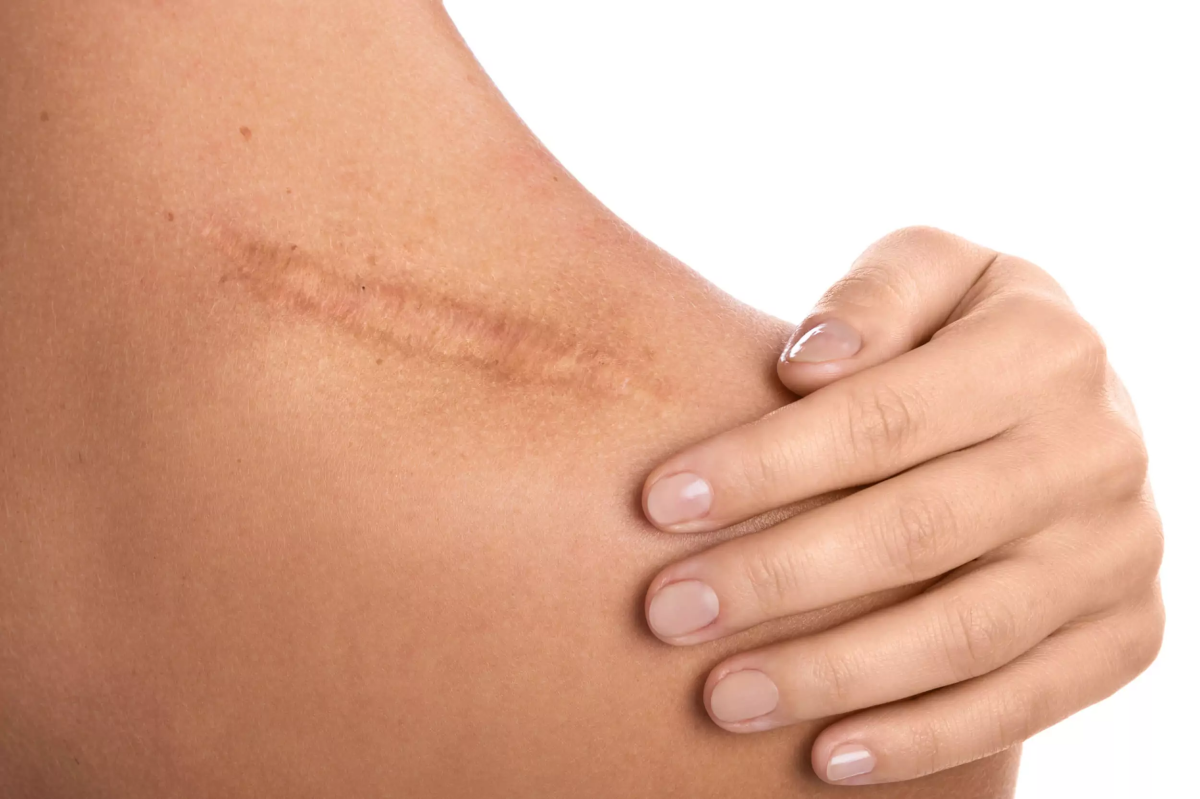
Keloids are raised scars that form when the skin’s healing process becomes overactive, producing excess collagen beyond the boundaries of the original wound. They can develop after acne, surgery, piercings, burns, or minor skin injuries and are more common in individuals with darker skin tones. In a climate like Dubai’s, where heat and sun exposure can affect skin healing, managing keloids requires treatments that support controlled recovery without irritation.
Unlike typical scars, keloids do not flatten or fade on their own. They may continue to grow over time and are often accompanied by itching, tightness, or discomfort, which impacts both appearance and quality of life.
What Is Silicone Gel and How Does It Work?
Silicone gel is a topical, medical-grade formulation designed specifically for scar management. When applied to the skin, it forms a thin, breathable protective layer that mimics the skin’s natural barrier. This layer helps regulate moisture levels and protects the scar from environmental stressors.
The gel does not penetrate deeply into the skin. Instead, it works on the surface by creating optimal conditions for healing, which is key to controlling abnormal scar formation like keloids.
Scientific Reasons Silicone Gel Is Effective for Keloids
Silicone gel is widely used because its mechanism directly addresses the biological factors that contribute to keloid development. Its effectiveness is supported by dermatological research and long-term clinical use.
Key benefits include:
- Regulation of hydration in the scar tissue, which reduces excessive collagen activity
- Improvement in oxygen balance at the skin surface, supporting normalized healing
- Reduction in inflammation, which helps calm active scar tissue
Softening and flattening of raised scars over time
These combined effects help limit the progression of keloids while improving their texture and appearance.
Why Silicone Gel Is Preferred in Keloid Treatment in Dubai
In Dubai, patients often look for treatments that fit seamlessly into daily life without downtime or sensitivity to heat. Silicone gel meets these expectations because it is lightweight, transparent, and suitable for use under clothing or makeup.
Environmental factors such as sun exposure and humidity can influence scar healing. Silicone gel provides an added layer of protection, reducing friction and preventing moisture loss that can worsen keloid scars in warmer climates.
Ease of Use and Patient Compliance
One of the strongest reasons silicone gel is widely recommended is its ease of application. Consistent use is essential in keloid management, and silicone gel supports this through a simple routine.
Advantages that support long-term use:
- Quick-drying and non-greasy texture
- Suitable for sensitive skin types
- Can be applied to various body areas, including visible regions
- Compatible with daily skincare routines
This simplicity encourages regular use, which plays a major role in achieving noticeable improvement.
Silicone Gel as Part of a Comprehensive Treatment Approach
While silicone gel is effective on its own, it is often used as part of a broader keloid management strategy. Dermatology professionals may recommend combining it with other non-invasive approaches depending on scar size, age, and skin response.
Silicone gel is frequently introduced early in scar development or after other procedures to help maintain results and prevent recurrence. Its supportive role makes it a valuable long-term solution rather than a temporary fix.
Safety Profile and Long-Term Use
Silicone gel has a strong safety record and is suitable for extended use. It is non-toxic, odorless, and unlikely to cause allergic reactions, making it appropriate for adults and younger patients alike.
Because it does not contain active pharmaceutical ingredients, silicone gel focuses on physical scar modulation rather than altering skin chemistry. This makes it a trusted option for ongoing scar care without increasing skin sensitivity.
Visible Improvements Over Time
With consistent application, many users notice gradual changes in their keloid scars. These changes typically include reduced redness, improved flexibility, and a flatter appearance. Results develop progressively, reflecting the natural pace of skin remodeling rather than sudden cosmetic alteration.
Patience and regular application are essential, as keloid scars require sustained care to respond effectively.
Conclusion
Silicone gel remains a cornerstone in modern keloid management due to its scientifically supported action, ease of use, and suitability for diverse skin types. Its ability to create an ideal healing environment makes it especially relevant for those seeking reliable Keloid Treatment in Dubai, where lifestyle and climate demand gentle yet effective solutions.