Why Preventive AC Maintenance Matters More In Hot, Dry Climates

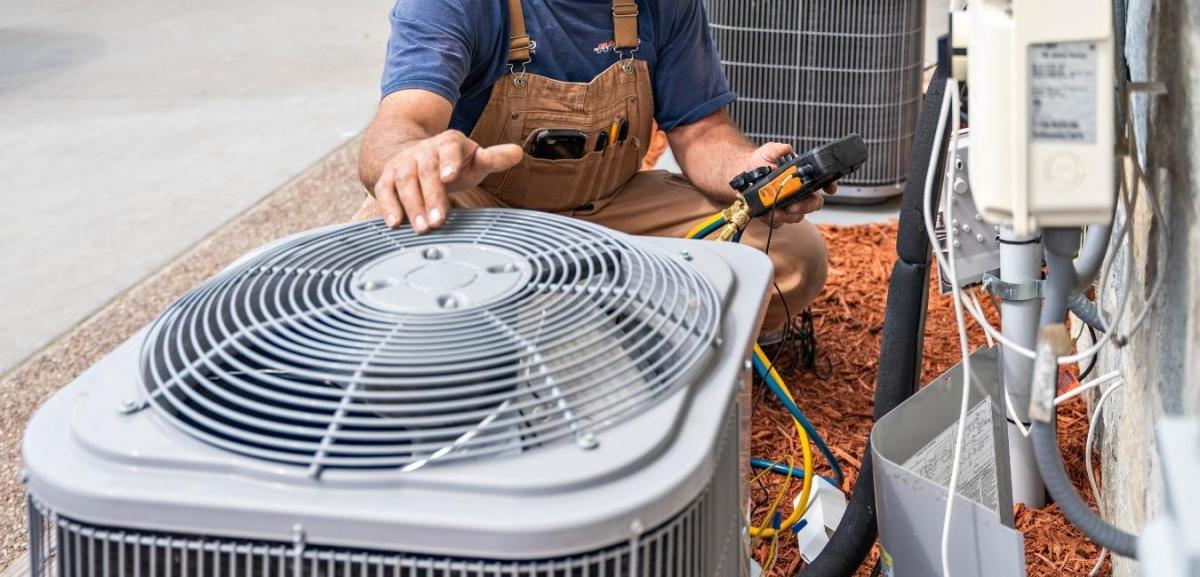
In places where summer heat lingers and air conditioners work overtime, waiting for a breakdown is rarely the best strategy. Homeowners often think about HVAC service only when cool air stops flowing, but the most expensive problems usually start long before the system fully fails.
A smarter approach is to treat maintenance as a way to protect comfort, efficiency, and indoor air quality all at once. For households in warm regions, especially areas with long cooling seasons, a consistent maintenance routine can make a noticeable difference in day-to-day living.
The Hidden Cost of “It Still Runs Fine”
An air conditioner does not need to stop working completely to be underperforming. In many homes, the system gradually loses efficiency over time. Airflow weakens, cooling becomes less even from room to room, and energy use starts creeping upward. Because these changes happen slowly, they are easy to ignore.
That is one reason preventive service is so valuable. A trained technician can spot the small issues that homeowners might miss, such as dirty coils, worn electrical components, restricted airflow, clogged drain lines, or duct-related inefficiencies. Individually, these may seem minor. Together, they can shorten equipment life and make the system work harder than necessary.
This matters even more in climates where the AC runs for long stretches. The harder the workload, the less room there is for neglect.
Why Hot, Dusty Environments Are Tough on HVAC Systems
Heat alone is demanding, but heat combined with dust, dry air, and heavy seasonal usage creates a particularly tough environment for residential HVAC equipment. Filters can load up faster, outdoor units can collect debris, and ducts may circulate more dust than homeowners realize.
In these conditions, maintenance is not just about mechanical performance. It is also about keeping the indoor environment more comfortable and breathable. Homeowners often focus on temperature first, but comfort is broader than that. It includes:
Steady airflow throughout the home
Cleaner indoor air
Fewer hot and cold spots
Lower humidity-related or dust-related discomfort
Less strain on the system during peak weather
When service providers offer tune-ups, duct cleaning, indoor air quality checks, and repair support as part of a broader residential comfort strategy, homeowners can solve multiple problems before they become disruptive. For readers wanting an example of that full-service, residential-first approach, cainscoolair.com/ reflects the kind of HVAC company that emphasizes repairs, tune-ups, installs, ductwork, and air quality as connected parts of the same comfort system.
What a Good Maintenance Visit Should Actually Cover
Not all HVAC service is equal. A basic inspection should go beyond a quick glance at the thermostat and condenser. A proper maintenance visit should evaluate how the system is performing as a whole.
Core system checks
A strong seasonal tune-up usually includes inspection of major operating components, refrigerant-related performance indicators, electrical connections, moving parts, filters, and thermostat function. The goal is to catch wear early and verify that the equipment is cooling safely and efficiently.
Airflow and duct considerations
Many comfort complaints are not caused by the unit alone. They start with airflow problems. Leaky or dirty ducts, blocked vents, or imbalanced distribution can make some rooms uncomfortable even when the system is technically running. That is why duct condition should not be overlooked during HVAC planning.
Drainage and cleanliness
Condensate drain issues can lead to water problems, while dirty coils can reduce efficiency and force the unit to run longer. These are common issues that preventive service can address before they turn into emergency calls.
A maintenance visit should leave the homeowner with a clearer understanding of the system’s condition, not just a receipt.
Signs Your Home May Need Service Before a Full Breakdown
Many homeowners wait for a dramatic failure because it feels more obvious. In reality, the warning signs often appear weeks or months in advance.
Watch for these early indicators:
The home takes longer to cool than usual
Some rooms feel much warmer than others
Airflow seems weaker at the vents
The system turns on and off too often
Energy bills rise without a clear explanation
Dust buildup seems worse indoors
The unit makes new or unusual noises
There are musty odors or stale-smelling air
None of these automatically means you need a full replacement. In many cases, they point to serviceable issues like dirty components, blocked airflow, failing parts, or duct concerns. The earlier they are addressed, the better the chance of avoiding a larger repair.
Maintenance Is Also About Budget Control
One of the most overlooked advantages of preventive HVAC care is financial predictability. Emergency breakdowns rarely happen at convenient times, and they often come with added stress, especially during the hottest weeks of the year.
Routine maintenance can help homeowners budget more effectively in a few ways:
Fewer surprise repairs
When worn parts are identified early, repairs can often be planned instead of rushed. That reduces the chance of a sudden no-cool situation that requires urgent service.
Better system efficiency
An efficient system typically runs with less strain. That can help reduce avoidable energy waste during high-demand months.
Longer equipment lifespan
Replacing an HVAC system is a major home expense. Regular maintenance will not make equipment last forever, but it can help protect the investment and reduce unnecessary wear.
More informed upgrade decisions
If a system is aging, regular service history makes it easier to decide whether repair or replacement is the better next step. Homeowners can act based on condition and performance, not panic.
A Smarter Way to Think About Home Comfort
Homeowners often divide HVAC concerns into separate categories: repair, maintenance, ductwork, air quality, and installation. In practice, those issues are deeply connected. A house with poor airflow may feel uncomfortable even with a functioning AC unit. A clean system with dirty ducts may still circulate unwanted dust. A newer system that is never maintained can still lose efficiency quickly.
That is why the best long-term approach is to think in terms of total home comfort rather than isolated fixes. Ask not only, “Is my AC running?” but also:
Is it cooling evenly?
Is the airflow strong and consistent?
Is the air inside my home as clean as it should be?
Is my system working harder than necessary?
Am I preventing problems or just reacting to them?
Those questions lead to better decisions and, usually, fewer disruptions.
Conclusion
Preventive AC maintenance is not glamorous, but it is one of the most practical ways to protect comfort in a warm-weather home. In hot, dry regions where cooling systems carry a heavy seasonal load, regular service can help reduce breakdown risk, improve airflow, support indoor air quality, and extend the useful life of the equipment.
For homeowners, the real value is peace of mind. Instead of waiting for the hottest day of the year to discover a problem, maintenance creates a more stable, efficient, and predictable home environment. And when homeowners work with providers that understand repairs, tune-ups, duct performance, and air quality as part of one complete system, the results are usually better across the board