Why SEO Is Important For Business: A Beginner’s Guide To Growing Your Online Presence

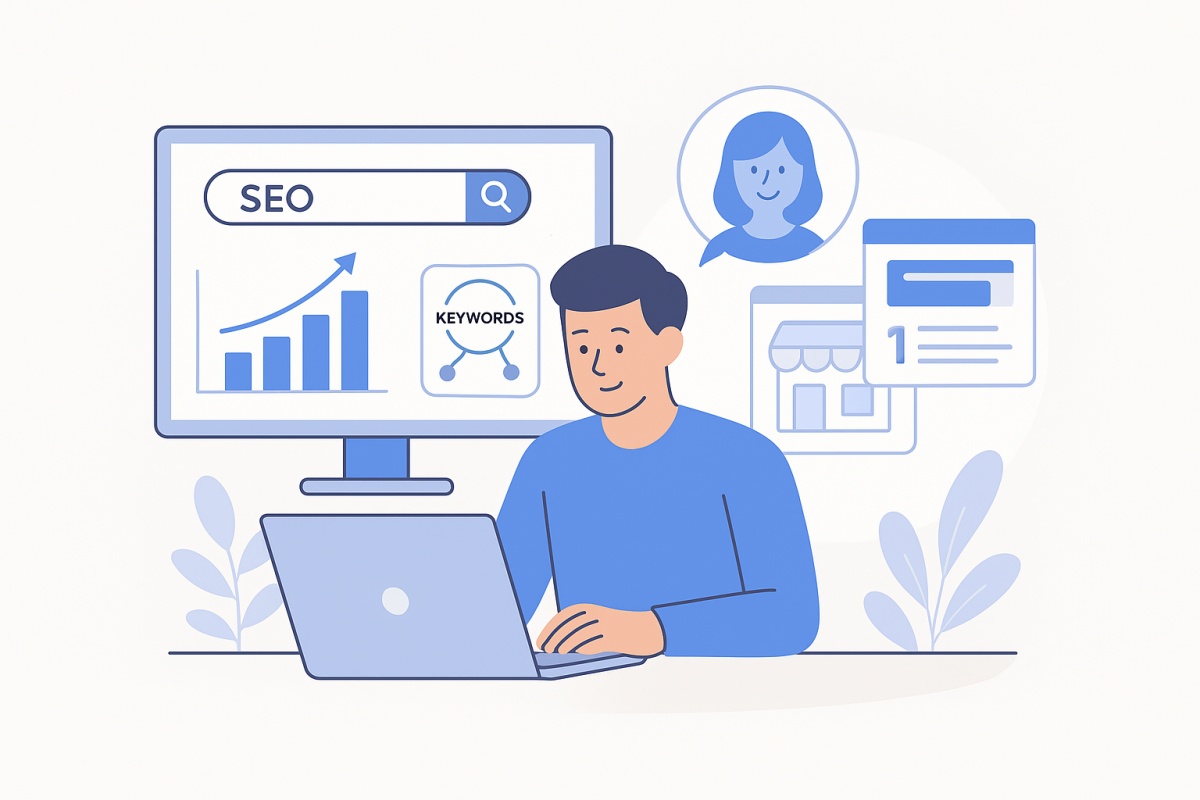
In today’s digital world, having a website is not enough. Your business needs to be found online by people who are looking for your products or services. This is where SEO, or Search Engine Optimization, comes in. SEO helps your website appear higher on search engines like Google, which means more people can find you. For beginners, understanding why SEO is important can make a huge difference in growing your business, attracting new customers, and building trust. In this guide, we will explain why SEO matters and how it can help your business succeed online.
What is SEO and Why Businesses Need It
SEO stands for Search Engine Optimization. Simply put, it is the process of improving your website so that search engines like Google can find it and show it to the right people. Businesses use SEO to get more organic traffic—visitors who come to your site naturally from search results, not paid ads.
There are three main types of SEO:
On-Page ****** />Optimizing your website’s content, meta titles, headings, and images.
Off-Page ****** />Building backlinks and promoting your website outside of your own pages.
Technical ****** />Ensuring your website is fast, mobile-friendly, and easy for search engines to crawl.
By using SEO, businesses can increase their visibility online, attract more potential customers, and compete effectively in their industry.
Key Benefits of SEO for Your Business
1. Increase Website Traffic
One of the most significant benefits of SEO is that it drives more people to your website. When your website ranks higher in search results, more users click on your site. More traffic means more opportunities to turn visitors into customers. For example, appearing on the first page of Google can significantly increase the number of people who visit your website compared to pages that appear later.
2. Build Brand Credibility and Trust
People tend to trust websites that appear at the top of search results. High rankings signal authority and reliability. By consistently producing valuable content and gaining backlinks from reputable websites, your business can build trust with potential customers. SEO helps your business not only appear credible but also memorable in the minds of your audience.
3. Cost-Effective Marketing
Unlike paid ads, which stop delivering results once you stop spending, SEO provides long-term benefits. Although SEO requires an initial investment of time and effort, it is more cost-effective in the long run. With proper SEO strategies, your website can continue attracting organic traffic for months or even years, giving you a higher return on investment (ROI).
4. Improve User Experience
SEO is not just about search engines; it also benefits your website visitors. Optimizing your website for SEO often includes improving page speed, making it mobile-friendly, and creating an easy-to-navigate structure. A website that loads quickly and is simple to use keeps visitors engaged and encourages them to return. When users have a positive experience, they are more likely to buy from you or recommend your business to others.
5. Stay Ahead of Competitors
Most businesses are already using SEO to attract customers. If you ignore SEO, you may lose potential clients to competitors who rank higher on search engines. By investing in SEO, you ensure that your business stays visible and competitive in your industry. Consistently updating your SEO strategies can help you maintain an edge and capture new customers before your competitors do.
How to Start Implementing SEO for Your Business
For beginners, SEO may seem complicated, but you can start with a few essential steps:
Keyword Research
Find the words and phrases your potential customers use when searching for products or services like yours. Tools like Google Keyword Planner or Ubersuggest can help you discover valuable keywords.
Create Quality Content
Write helpful articles, guides, or blog posts that answer your audience’s questions. Use your main keyword naturally in the content, headings, and meta descriptions.
Optimize On-Page Elements
Include your keyword in page titles, headings, meta descriptions, and images. Ensure your website is mobile-friendly, loads quickly, and is easy to navigate.
Build Backlinks
Reach out to other websites in your industry to share your content or collaborate. Backlinks from reputable sites improve your website’s authority and ranking.
Track and Improve
Use tools like Google Analytics or Search Console to monitor your website traffic and rankings. Adjust your strategies based on what works and what doesn’t.
Common SEO Mistakes to Avoid
While starting with SEO, beginners often make mistakes that can slow down progress:
Keyword Stuffing
Using your keyword too many times can make your content unreadable and hurt your rankings.
Ignoring Mobile Users
Most users browse on mobile devices, so your website must be mobile-friendly.
Slow Website Speed
A slow website frustrates users and lowers your search engine ranking.
Neglecting Content Updates
SEO is ongoing. Regularly update and improve your content to stay relevant.
By avoiding these mistakes, you can build a strong foundation for long-term SEO success.
Conclusion
SEO is no longer optional for businesses—it is essential. It helps you increase website traffic, build credibility, save on marketing costs, improve user experience, and stay ahead of competitors. For beginners, the key is to start small, focus on quality content, and gradually implement SEO strategies. With consistent effort, SEO can transform your website into a powerful tool for attracting and converting customers.
Partnering with experts like Unrivaled Marketing Solutions can make this process easier and more effective. They help businesses optimize their websites, create high-quality content, and implement strategies that drive results. Start improving your SEO today with guidance from professionals and watch your business grow. Your website has the potential to reach more people, build trust, and increase revenue. Take action now, and don’t let competitors get ahead.