Female Filmmakers Are Done Asking Permission To Tell Hard Truths

I'll be honest. I'm tired of celebrating crumbs.
Every year, we applaud when a handful of female directors break through with critically acclaimed films. We write think pieces about progress. We pat ourselves on the back for recognizing their talent. Then we check the actual numbers and realize nothing has changed. Women still directed only 16 percent of the top 250 films in 2024, the exact same percentage as 2023. Not one inch of progress despite all the noise about representation.
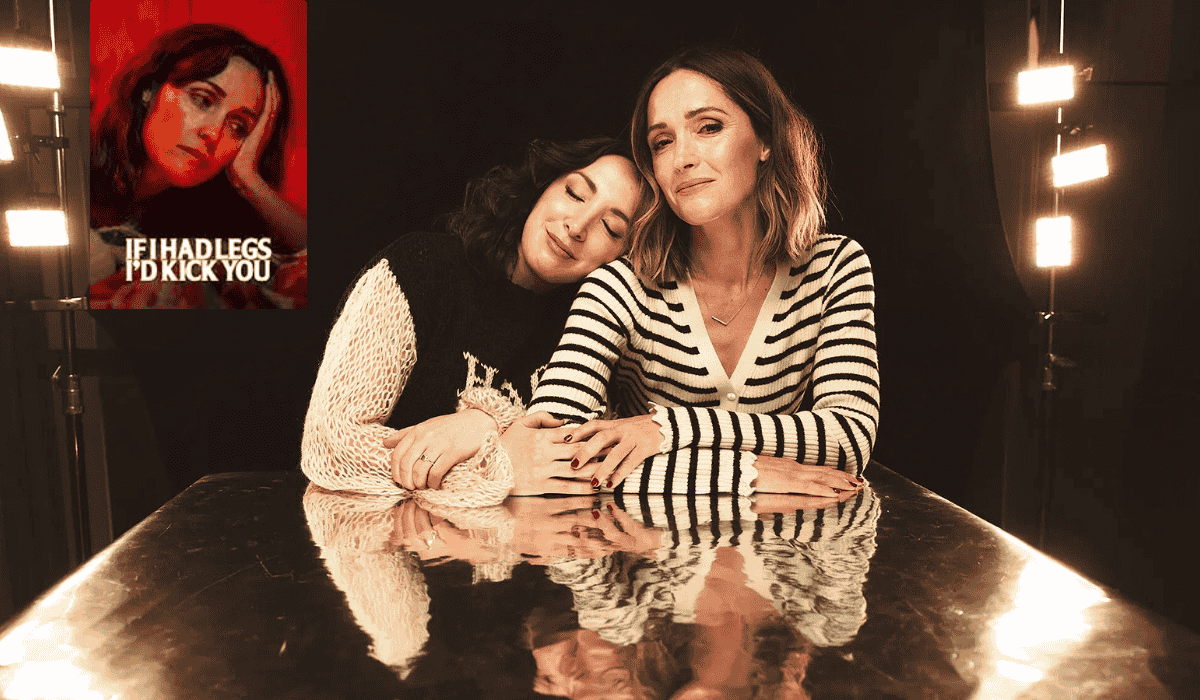
But here's what's different, and why I'm writing this piece with both frustration and cautious hope. A generation of female filmmakers has stopped waiting for the industry to grant them permission. They're making the films they need to make, telling the truths they need to tell, and refusing to soften their visions for male comfort. The statistics might be stuck, but the art itself has radically shifted.
Watch The Substance and you'll see Demi Moore's body literally tear itself apart on screen, cellulite and wrinkles displayed with surgical precision. Turn on Babygirl and witness Nicole Kidman exploring female submission without apology. Stream Nightbitch and watch Amy Adams crawl on all fours with six nipples swaying. These aren't comfortable films. They weren't designed to be. And I think that's exactly the point.
The Numbers That Should Make You Angry
Before we get to the artistic revolution happening despite industry indifference, let's sit with these statistics for a moment. Really sit with them. Because they should make you furious.
Women directed 16 percent of the top 250 grossing films in 2024, according to the Center for the Study of Women in Television and Film at San Diego State University. That's flat from 2023. Zero movement. After all the conversations about diversity, after MeToo, after years of promises about doing better, the needle hasn't budged.
It gets worse as you climb the box office ladder. Women helmed only 11 percent of the 100 most popular films, actually dropping three percentage points from the previous year. Let that sink in. We went backwards.
When USC Annenberg examined the top 100 grossing fictional films of 2024, they found that just 13.4 percent of the 112 directors were women. Only 5.3 percent were women of color. This is after 18 years of tracking, after countless studies showing the problem, after executives swore they were committed to change.
And here's the stat that makes me want to throw something: UCLA's Hollywood Diversity Report discovered that not a single woman directed a streaming film with a budget of $100 million or more in 2024. Zero. The platforms with infinite money, with global reach, with the ability to greenlight literally anything, chose to give exactly zero big-budget projects to women.
Martha Lauzen, who has tracked these numbers for 27 years through the Celluloid Ceiling study, put it bluntly, and I'm paraphrasing her core insight here: the stunning successes of high-profile women have not translated into opportunities for greater numbers of women. Visibility for a few has not generated employment for many.
This is the part that infuriates me most. The industry loves to point at Greta Gerwig or Chloé Zhao as proof they're doing enough. Look, a woman directed a billion-dollar movie! Look, a woman won Best Director! Problem solved, right? Wrong. Those successes become shields against actual systemic change. They become reasons to avoid doing the hard work of fundamentally restructuring who gets opportunities.
Why I Think Something Actually Shifted
Despite those depressing statistics, I genuinely believe 2024 and 2025 represent a turning point. Not in hiring practices, which remain abysmal. The shift is in the films themselves and in the attitudes of the women making them.
These directors have stopped performing palatability. They're done making films that reassure audiences, especially male audiences, that women's experiences aren't really that difficult or uncomfortable or rage-inducing. They're creating work that says: this is the truth, and if it makes you squirm, that's your problem, not mine.
Coralie Fargeat's The Substance uses grotesque body horror to critique beauty standards with zero restraint. The film's climax features Moore's character transformed into a Picasso-esque monster, body parts rearranged, all the cellulite and wrinkles women are taught to hide on full display. Fargeat stated she wanted to let everything out in a very brutal and obvious way because that's what we need right now.
I agree with her completely. We don't need more subtle critiques that can be easily dismissed. We don't need metaphors so gentle they fail to land. We need films that grab audiences by the throat and force them to confront truths they'd rather ignore. That's what The Substance does, and that's why some viewers hate it while calling it pretentious or excessive. The discomfort is the point.
Fargeat faced 17 years of rejection after her debut Revenge. She was looked at as an alien in France, where genre films are rarely made by anyone, let alone women. When everybody said no, she felt like a freak or a monster. But here's what I find inspiring: she kept going. She refused to compromise her vision, refused to make something safer or more palatable, and eventually A24 believed in what she was doing.
That's the template now. Make the film you need to make. Accept that it might take years, even decades. Trust that audiences exist for unfiltered truth even when gatekeepers insist otherwise.
The Refusal to Make It Easy for You
Halina Reijn took a similar approach with Babygirl, exploring female submission and power dynamics in ways that make audiences deeply uncomfortable. The Dutch director began as an actress and grew tired of reading plays where female characters either killed themselves or went psychotic. She wanted to write stories about women who liberate themselves, even if that liberation looks messy or contradictory.
What I appreciate about Babygirl is its refusal to judge its protagonist or provide easy answers about what female desire should look like. Kidman's character pursues what she wants without the film pausing to reassure viewers that she's making feminist-approved choices. That's radical, honestly. How often do we see female sexuality portrayed without constant moral commentary?
Reijn described her film as a Trojan horse of humor and tension, something audiences can enjoy as sexy entertainment while it says something underneath about human nature. She felt liberated after the MeToo movement, literally feeling safer to tell these stories. I think that safety matters enormously. Not physical safety, but the cultural shift that makes space for women to explore complicated, uncomfortable aspects of female experience without being pilloried for it.
Marielle Heller's Nightbitch, based on Rachel Yoder's novel, shows Amy Adams as a former artist turned stay-at-home mother who believes she's transforming into a dog. The film doesn't shy away from the rage, exhaustion, and identity loss that can accompany early motherhood. It's not interested in making motherhood look beautiful or fulfilling. It's interested in showing what it actually feels like for many women: suffocating, maddening, and lonely.
This is where I get frustrated with critics who dismiss these films as too dark or too angry. Of course they're dark and angry. Women's experiences, particularly around motherhood and aging and sexuality, have been sanitized in cinema for over a century. We're making up for lost time. If the honesty feels excessive, maybe that's because we've been fed lies for so long that truth looks like exaggeration.
Why Motherhood Became the Battleground
I find it telling that so many of these uncompromising films center on motherhood. It's one of the last subjects cinema treats with kid gloves, reducing the experience to either blissful perfection or horror movie extremes with nothing in between.
Rose Byrne, who won the Silver Bear for Best Leading Performance for If I Had Legs I'd Kick You, articulated this perfectly. Until recently, there hasn't been much dialogue about motherhood, especially not from a female perspective with a female director. She referenced films like Nightbitch and the novel All Fours as examples of this new wave, all exploring aspects of motherhood including disappointment, boredom, exhaustion, and feelings of failure.
Those are the parts we're not supposed to talk about. Mothers are revered and also invisible at the same time, as Byrne described it. Society demands perfection from mothers while providing almost no support. Then it punishes them for struggling and refuses to acknowledge their pain as legitimate.
Mary Bronstein's film grew directly from her experience spending eight months in a cramped motel room in San Diego while her daughter underwent medical treatment. Sitting on bathroom tiles, drinking cheap wine and binge eating fast food while her daughter slept, she began forming the ideas that would become If I Had Legs I'd Kick You. The story isn't autobiographically factual but what she calls emotionally accurate.
That distinction matters. These films aren't documentaries. They're using heightened scenarios and genre tropes to capture emotional truths that realistic dramas often miss. A woman literally transforming into a dog says more about maternal identity loss than a thousand scenes of a tired mom doing laundry.
When one of Byrne's close friends saw If I Had Legs I'd Kick You, the woman said she felt seen in a way she rarely experiences. That invisibility many mothers feel in daily life finds stark representation in these films. And I think that feeling seen, that validation of experiences we're told to hide or minimize, is why these films resonate so powerfully despite making some viewers intensely uncomfortable.
My Problem With How We Discuss These Films
Here's what bothers me about the critical conversation around these movies. When films by women about women's experiences are described as "stressful" or "hard to watch" or "almost unbearable," I always want to ask: compared to what?
We watch films about war, about serial killers, about apocalyptic violence without calling them unwatchable. Uncut Gems generated similar "anxiety-inducing" reactions, but nobody suggested Adam Sandler's character's stress was too intense for cinema. The difference, I suspect, is that we're comfortable with male suffering as entertainment but women's pain makes us squeamish.
The Substance has been called excessive and pretentious by critics who seem offended that it isn't subtle. But why does a film about female aging and beauty standards need to be subtle? The pressure women face is not subtle. The violence women do to their own bodies pursuing impossible standards is not subtle. Why should the film depicting this be gentle and understated?
I'm not saying these films are for everyone. They're deliberately difficult, intentionally uncomfortable, and absolutely not designed for casual Friday night viewing. But I am saying the discomfort is often the point, and dismissing them as "too much" misses what they're trying to achieve.
Coralie Fargeat explained her philosophy clearly, and I think it's crucial to understanding this wave of films. In real life, women are asked to be normal, rational, delicate, structured, and gentle most of the time. She loves doing the exact opposite in her movies. That's where something operatic can happen, where audiences can experience catharsis and liberation by going through something they cannot experience in real life.
That catharsis matters. These films give permission to feel rage, fear, desire, and ambivalence that women are socialized to suppress. They create space for emotions that have no outlet in daily life. If that feels intense or overwhelming, maybe it's because we've bottled up these feelings for so long that finally releasing them feels explosive.
The Industry Response: Absolutely Nothing
Now here's the part that makes me want to scream. Despite the critical acclaim, the awards recognition, the cultural conversations, and the box office returns relative to modest budgets, the industry has responded with essentially nothing.
The 16 percent figure for female directors hasn't budged. Studios still aren't handing women big budgets. The pipeline from critical success to sustained opportunity remains broken. White women continue getting stuck with the smallest budgets, with nearly all their films coming in under $20 million except for one animated feature, according to UCLA's report.
Dr. Stacy L. Smith from USC Annenberg noted that the film industry has demonstrated it can increase the percentage of women directors and maintain that progress. Yet there's much more room to improve. That's putting it mildly. The room to improve is vast, and the industry is actively choosing not to move into it.
This is the cruel irony that keeps me up at night. Films like The Substance, Babygirl, If I Had Legs I'd Kick You, and Nightbitch prove definitively that female directors can create commercially viable, critically acclaimed, conversation-dominating cinema when given the chance. Yet the industry treats each success as an isolated phenomenon rather than evidence that women deserve more opportunities.
Think about this: Greta Gerwig's Barbie earned $1.4 billion globally in 2023, becoming one of the highest-grossing films of all time and redefining what a blockbuster can be. It proved beyond any doubt that a woman could direct a massive commercial hit. The result? The percentage of women directing top films actually dropped in 2024.
That's not an accident. That's not a failure to connect the dots. That's active resistance to change. The industry is perfectly capable of recognizing success when it wants to. It just doesn't want to when that success threatens the existing power structure.
I think we need to stop pretending this is about proving women can do the job. Women have proven it repeatedly. This is about men not wanting to share power and resources. This is about an entrenched system that benefits from keeping opportunities flowing primarily to men. This is about conscious choices to maintain the status quo despite overwhelming evidence it should change.
Why I Still Have Hope
Despite my anger at the stalled statistics, I'm cautiously optimistic. Not because I trust the industry to suddenly develop a conscience. I'm hopeful because these filmmakers have stopped waiting for permission.
They're building alternative paths. They're partnering with indie distributors like A24 and Searchlight Pictures that understand niche audiences and are willing to take risks on challenging material. They're making films for $10 million that generate more cultural impact than $200 million blockbusters. They're creating their own production companies and actively supporting other women filmmakers.
Mary Bronstein spent seven years developing the script for If I Had Legs I'd Kick You, facing countless rejections and requests to soften her vision. She refused every compromise. She even made herself a ring engraved with the word "tenacity" when the film finally locked. That level of conviction used to be rare among female filmmakers, not because they lacked it but because the industry demanded compromise as the price of entry.
These directors are rejecting that price. They're saying: I'll make this film on my terms or not at all. I'll wait years if necessary. I'll find alternative financing. But I won't water down my vision to make gatekeepers comfortable.
That's powerful. That's how actual change happens, not by asking nicely for opportunities but by seizing them and creating them when they're not offered.
The Films Are Changing What's Possible
What excites me most about this moment is how these films are expanding the boundaries of what female-directed cinema can be. For too long, films by women were expected to be either inspirational uplift or gentle indie dramas about relationships. These directors are proving that women can make body horror, psychological thrillers, erotic dramas, and rage-filled black comedies just as effectively as men.
Fargeat's background is in genre filmmaking, and The Substance embraces horror tropes while subverting them. It's not a film about a female character threatened by an external monster. It's about the monster we become to ourselves, the violence women internalize pursuing impossible beauty standards. That's more terrifying than any slasher villain because it's real.
The polarized reactions these films generate actually prove their necessity, in my view. Art that makes everyone comfortable isn't challenging anything. These films force audiences to confront truths about women's experiences that society would prefer to ignore or sanitize. If they make some viewers angry or defensive, that reaction is worth examining rather than dismissing.
Amy Adams acknowledged the polarization around Nightbitch with a shrug that I found refreshing. If it hits you, that will make her really happy. If you know, you know. That's exactly the right attitude. These films aren't for universal consumption. They're for the people who need them, who will feel seen and validated by the honesty. Everyone else can watch something else.
What This Means for Future Filmmakers
I think about young women who want to direct films watching this moment unfold. They're seeing that uncompromising visions can find audiences. They're learning that you don't have to soften your truth to be taken seriously. They're witnessing directors refuse compromise and succeed anyway, at least artistically if not always financially.
That matters more than we might initially realize. Every film that refuses to play by restrictive rules creates permission for the next filmmaker to be even bolder. The ceiling moves incrementally, pushed upward by artists who refuse to accept limitations placed on them.
Fargeat spent 17 years between Revenge and The Substance, facing constant rejection, being treated like an alien in her own country's film industry. She kept going. Bronstein took 17 years between her debut Yeast and If I Had Legs I'd Kick You, working as a therapist while raising her daughter and writing her script in stolen moments. She kept going.
That persistence in the face of systematic rejection is what creates change. Not asking nicely. Not waiting for the industry to recognize your worth. Just continuing to make the work you need to make until someone finally listens.
My Frustration With Token Progress
Here's what I cannot stand: the way the industry celebrates individual women as proof of progress while doing nothing to create systemic change. Every awards season, we hear about groundbreaking firsts. First woman to win this award, first woman nominated for that category, first woman to achieve some arbitrary milestone.
Those firsts are nice. They matter to the individuals receiving recognition. But they function as smoke screens that hide the lack of real progress. Studios point to Gerwig or Zhao or Campion and say: see, we're doing great with diversity! Meanwhile, the actual percentage of women directing films remains stuck at 16 percent year after year.
I'm tired of celebrating exceptions. I want boring, unremarkable normalcy where women directing films is so common it's not worth mentioning. I want a world where half of films are directed by women because that would accurately represent the population. I want statistics that show actual movement rather than the same dismal numbers dressed up with inspirational rhetoric.
The visibility of a few high-profile women creates an illusion of progress that allows the industry to avoid uncomfortable questions about why opportunities remain so limited. It's the same playbook used in every industry resistant to real equality: promote a handful of women to leadership positions, then claim you've solved the problem while continuing to funnel most opportunities to men.
The Streaming Failure Is Particularly Damning
Let's return to that UCLA statistic because it deserves more attention. Not a single woman directed a streaming film with a budget of $100 million or more in 2024. Think about what that means.
Streaming platforms have essentially unlimited resources. They're not constrained by theatrical release logistics or traditional distribution bottlenecks. They can greenlight as many projects as they want across any budget range. Yet with all that freedom and flexibility, they chose to give exactly zero big-budget projects to women.
This isn't about market forces or risk aversion. This is about choice. Netflix, Amazon, Apple, and other platforms made conscious decisions to exclude women from their most expensive productions. They decided women could direct mid-budget films that might win awards, but they couldn't be trusted with tentpole projects.
I find this particularly infuriating because streaming was supposed to democratize content creation. The narrative was that these platforms would be more adventurous, more willing to take risks, less beholden to traditional Hollywood gatekeeping. Instead, they've replicated exactly the same exclusionary patterns with a slightly more progressive public image.
What Audiences Can Actually Do
If you genuinely care about seeing more films by women, particularly films that take artistic risks and challenge conventions, there's really only one thing that matters: show up with your wallet.
Buy tickets to these films in theaters. Stream them on opening weekend when numbers get reported to executives. Talk about them loudly on social media. Write reviews. Recommend them to friends. Make noise about them. The industry responds to money and attention, period.
Every time a film like The Substance earns strong returns relative to its budget, it becomes slightly harder for studios to argue that audiences don't want these stories. Not enough to actually change the system, obviously, but it creates cracks in the armor of their excuses.
Equally important, in my opinion, is rejecting the narrative that these films are "too much." When someone dismisses Nightbitch as too dark or The Substance as too gross, ask them why. What specifically is too much? Why is honesty about women's experiences coded as excessive when similar content about men passes without comment?
Push back against the idea that women's anger, pain, desire, and complexity need to be toned down for palatability. These films are uncomfortable precisely because they refuse to perform the emotional labor of making audiences feel okay about women's suffering.
The Long Game Makes Me Impatient
Change in cinema happens slowly, and I understand that intellectually. Look at how LGBTQ+ representation has evolved over decades, from punchlines to complex characters to stories centered on queer experiences. Female filmmakers telling uncompromising truths are planting seeds for future change.
But emotionally, I'm impatient. How many more decades should we wait? How many more studies documenting the same inequities do we need? How many more women need to prove their capability before the industry responds with actual opportunities rather than congratulatory press releases about individual successes?
Every film that refuses to compromise its vision, every director who insists on telling uncomfortable truths, every success that happens outside traditional studio pipelines does create space for the next filmmaker to be even bolder. The ceiling moves incrementally. I just wish it moved faster.
Despite my frustration with stalled statistics and token progress, this wave of uncompromising female filmmakers matters immensely. They're changing what's possible in cinema, expanding the range of stories that can be told and how they can be told.
These directors are creating a body of work that future filmmakers can point to when told their vision is too dark, too angry, too uncomfortable, too much. They're proving that audiences exist for difficult, challenging, uncompromising work by women about women's experiences. They're demonstrating that commercial and critical success is possible without compromise.
More importantly, they're refusing to play by rules designed to exclude them. The traditional path required women to prove themselves with smaller projects, gradually earning bigger opportunities by demonstrating they could be trusted with increased responsibility. That path demonstrably hasn't worked. Twenty-seven years of data prove it.
So these filmmakers are bypassing it entirely. They're creating their own opportunities, building their own networks, finding their own financing, and reaching audiences directly through distributors who understand that niche doesn't mean unprofitable.
My Take on What Comes Next
I believe we're at an inflection point, though not the one the industry wants to acknowledge. These filmmakers have proven beyond doubt that they can create significant, resonant, commercially viable cinema when given the chance. The question is whether the industry will respond or continue pretending not to notice.
Based on 27 years of Celluloid Ceiling data, I'm not holding my breath for sudden enlightenment from studio executives. Change in Hollywood happens glacially when it happens at all. The industry has proven remarkably talented at resisting progress while making performative gestures toward diversity.
But I don't think that matters as much as it used to. These directors aren't waiting for studio approval anymore. They're making their films regardless, finding alternative paths to audiences, and building a body of work that will influence the next generation of filmmakers whether Hollywood acknowledges it or not.
That's where real change happens. Not in board rooms where executives pretend to care about diversity. In the actual work being created, in the conversations those films generate, in the young filmmakers watching and learning that uncompromising visions can find audiences.
The industry will eventually catch up or become irrelevant. In the meantime, these directors are doing the work, telling the truths, and creating the cinema that audiences desperately need even when they don't realize it yet.
The Bottom Line From Where I'm Standing
Female filmmakers are done asking permission to tell hard truths. They're making films about women's bodies, women's rage, women's desires, women's pain, and women's power without apology or compromise. They're refusing to soften their visions for broader appeal or sanitize their stories for comfort.
The industry hasn't responded with the systemic change these successes deserve. Women still direct only 16 percent of top films, a number that hasn't moved in years. They still get stuck with the smallest budgets. They still rarely get second chances after one underperformance. They still get zero opportunities to direct big-budget streaming films. The pipeline from success to sustained opportunity remains thoroughly broken.
But these directors aren't waiting for the industry to fix itself. They're making their films anyway, finding alternative paths to financing and distribution, building audiences that crave unfiltered truth, and creating a body of work that proves what's possible when women are given creative freedom.
This moment matters not because the statistics have shifted, which they haven't, but because the art has transformed. These films are expanding what cinema can be, who it can speak to, and what truths it can tell. They're proving that audiences exist for difficult, challenging, uncompromising work that doesn't pander or apologize.
The next generation of female filmmakers will have these films to point to when told their visions are too much. They'll have proof that audiences embrace honesty even when it's uncomfortable. They'll have evidence that success is possible without compromise, even if it takes longer and requires more persistence than it should.
That's progress, even if it's not the progress we wanted or needed. It's filmmakers taking matters into their own hands rather than waiting for gatekeepers to grant permission. And honestly, that's exactly the kind of progress that endures, because it doesn't depend on the industry suddenly developing a conscience it's never had.
Related Reads: Rose Byrne Wins Silver Bear After 7 Years Making This Brutal Motherhood Thriller