If Intimacy Coordinators Threaten Your Art You Were Probably Exploiting Actresses

Brigitte Bardot once said she rejected the limelight, that the intense focus "ate at me from the inside." She became one of cinema's most famous sex symbols despite, or perhaps because of, having little control over how male directors framed her sexuality. Roger Vadim, her first husband and director, built her career by placing her naked body in front of cameras without asking what she actually wanted.
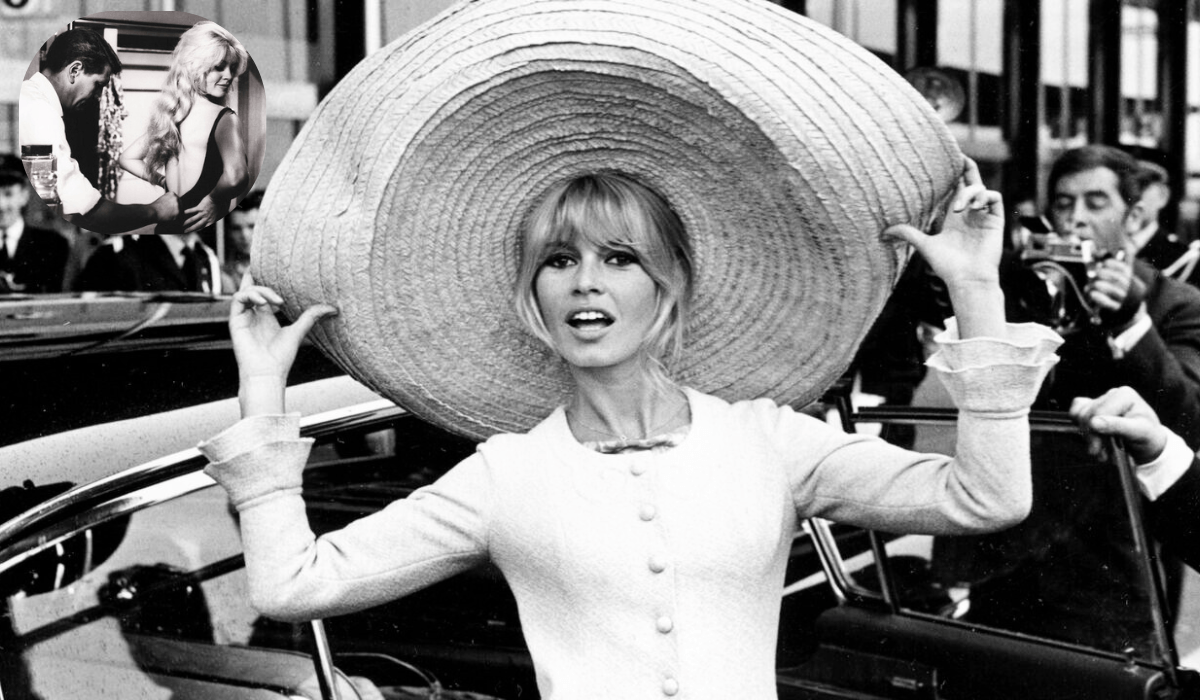
That was 1956. Nearly 70 years later, we're finally having serious conversations about who gets to decide how women's sexuality appears on screen. The answer should be obvious: the women themselves. Yet it took a global reckoning about sexual abuse in Hollywood before the industry implemented basic protections for performers in intimate scenes.
The Old System Was Designed for Male Comfort
For decades, filming sexual content operated on an unspoken understanding. Directors, usually men, decided what happened. Actresses showed up and complied. If they felt uncomfortable, they kept quiet or risked being labeled difficult. The power imbalance was so normalized that nobody questioned it until victims started speaking publicly about abuse.
Maria Schneider's experience filming Last Tango in Paris became the most infamous example. Director Bernardo Bertolucci admitted he intentionally excluded Schneider from the decision to use butter as lubricant in a scripted rape scene because he wanted her genuine reaction of humiliation. He treated her as a prop rather than a collaborator. This wasn't filmmaking. It was exploitation dressed up as art.
Emilia Clarke described feeling too inexperienced to push back against Game of Thrones' nudity requirements. Multiple actresses from that show later spoke about similar discomfort during nude scenes. The show ran from 2011 to 2019, meaning this wasn't ancient history. Women were still being pressured into sexual exposure less than a decade ago because production had no formal process for establishing boundaries.
The pattern repeated across the industry. Actresses learned to endure rather than object. Directors learned they could demand anything and call it artistic vision. Crews learned to look away during uncomfortable moments. Everyone pretended this was normal professional behavior.
Enter the Intimacy Coordinator
In 2018, actress Emily Meade was filming HBO's The Deuce, a show about New York's porn industry in the 1970s. She asked producers for a neutral party to oversee sex scenes and ensure performers' comfort. The request came shortly after accusations of sexual misconduct against co-star James Franco surfaced. HBO hired Alicia Rodis, making The Deuce the first major production to employ an intimacy coordinator.
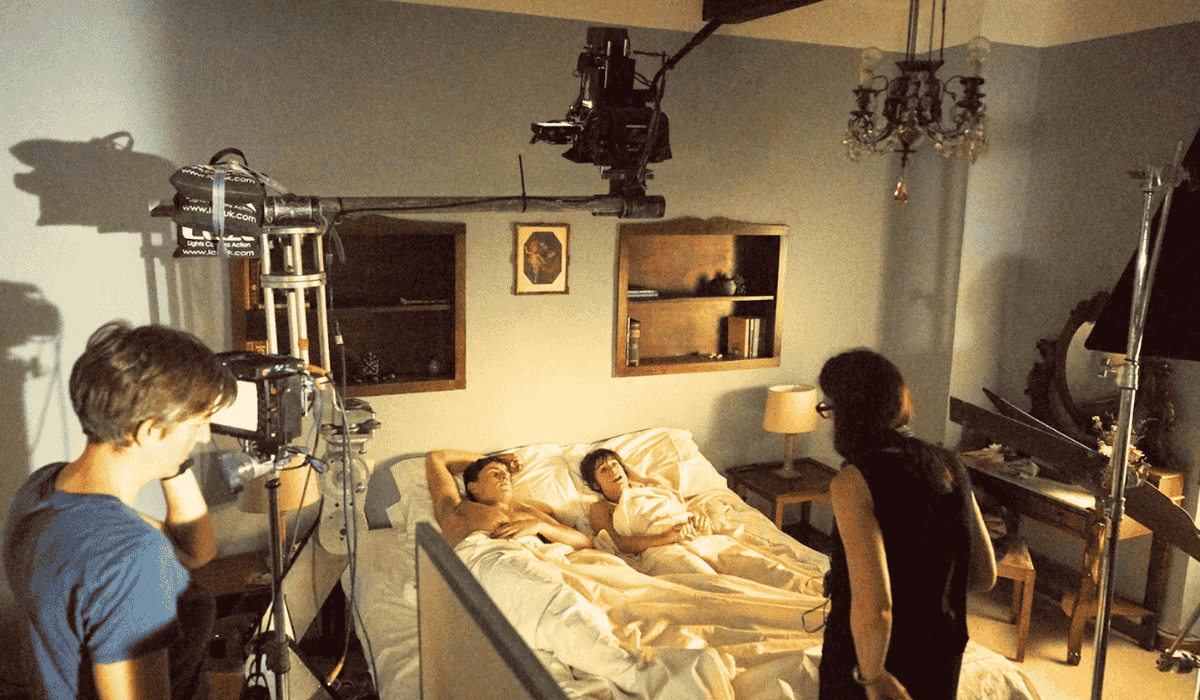
The role transformed how sexual content gets filmed. Intimacy coordinators meet with directors to understand their vision, then confer with each actor to map out every movement in sex scenes. They provide protective gear like cups and modesty garments. They choreograph intimate moments the same way stunt coordinators choreograph fights. Most importantly, they give performers permission to voice boundaries without fear of professional consequences.
HBO immediately adopted intimacy coordinators for all productions featuring sexual content. Netflix, Hulu, Starz, and Amazon quickly followed. By 2020, 23 Emmy-nominated scripted programs credited intimacy coordinators on their productions. This included shows like Euphoria, Bridgerton, Watchmen, and Succession.
The Screen Actors Guild released standards and protocols for intimacy coordinators in 2020. Guidelines now call for coordinators on any scenes involving nudity or simulated sex. What was once a novelty became industry standard in less than three years.
The Backlash Was Predictable
As with any progress toward gender equality, men immediately complained. Some directors portrayed intimacy coordinators as creativity killers who turned spontaneous art into mechanical choreography. Actors accused them of infantilizing performers and interrupting the flow of scenes with priggish concerns about consent.
These criticisms reveal more about the complainers than the practice. Men comfortable with the old system where they held all control naturally resist any framework requiring them to consider women's comfort. Calling boundary-setting "priggish" just means you preferred when women had no recourse to refuse unwanted physical contact.
The accusation that intimacy coordinators kill spontaneity is particularly telling. Real intimacy in actual human relationships involves communication, boundaries, and mutual consent. If you think planned choreography destroys intimacy, you're admitting you've confused coercion with connection. Authentic intimacy requires safety first. You can't create vulnerable, honest performances when actors fear their boundaries will be violated.
Paul Mescal, who filmed extensive sex scenes for Normal People with intimacy coordinator Ita O'Brien, directly refuted these claims. He stated the choreography never created disconnect from emotional authenticity and never felt clinically dead. The scenes worked precisely because actors felt safe enough to be genuinely vulnerable.
Director David Frankel, who helmed several Sex and the City episodes, called his first experience with an intimacy coordinator "eye-opening and wonderful." Actors consistently report feeling more comfortable and capable of better performance when coordinators are present.
The resistance comes primarily from people in positions of power who benefit from maintaining the status quo. As intimacy coordinator Amanda Carattini noted, powerful industry figures often can't see how power dynamics benefit them. They view challenges to that power as attacks on creativity rather than efforts to create safer workplaces.
This Should Have Been Standard Decades Ago
Here's what infuriates me about this entire conversation. We're treating intimacy coordinators like some revolutionary concept when they're just applying basic workplace safety standards to sexual content. We've had stunt coordinators for dangerous physical scenes since the early days of cinema. Nobody questions whether fight choreography kills spontaneity. Nobody suggests actors should just improvise car crashes and hope for the best.
But somehow when the vulnerable action involves women's bodies and simulated sexuality, suddenly planning and consent become creativity killers. That's not about art. That's about men wanting unchecked access to women's bodies without the inconvenience of asking permission.
Brigitte Bardot's career exemplified this dynamic. Roger Vadim made her an international star by filming her naked without considering whether she wanted to be displayed that way. His films claimed to celebrate sexually liberated women, but they were really exercises in voyeurism that served male desire. Vadim even admitted he deliberately pulled back on sex scenes in Don Juan (1973) because he was "interested in seduction, not what happened in bed," though he added he'd "love to make a documentary on how they ******."
That quote reveals everything. Vadim viewed women as objects to photograph and speculate about, not as autonomous humans whose consent and comfort mattered. The fact that Bardot spent her entire career operating under male directors who treated her this way, then retired from acting completely at age 39, tells you something about the sustainability of that system. You can't build a healthy career when your work environment treats you as a commodity.
The intimacy coordinator revolution is less than a decade old. That means thousands of actresses spent their entire careers filming sexual content without basic protections. They endured unwanted touching, found surprise tongues in their mouths, dealt with directors engineering scenarios to humiliate them for "authenticity," and absorbed all this trauma because speaking up meant career suicide.
We should be ashamed it took until 2018 for major studios to implement formal consent processes for intimate scenes. We should be furious that it required the #MeToo movement and Harvey Weinstein's exposure before anyone acknowledged this was a problem.
The Difference It Makes
Intimacy coordinators don't just protect actresses from abuse. They improve the actual product. When actors feel safe, they deliver better performances. When boundaries are established beforehand, everyone can focus on character and emotion rather than managing discomfort in real time.
Hannah Diviney, who worked with an intimacy coordinator on SBS's Latecomers, said it "took a lot of the fear, self-consciousness and nerves out of the process." The guided choreography made intimate scenes as routine as fight sequences or dance numbers, allowing her to focus on performance rather than safety concerns.
Normal People's sex scenes became famous for their authenticity and emotional depth. Critics praised them as revelatory depictions of young adult sexuality. That success came directly from Ita O'Brien's intimacy coordination, which allowed actors to be genuinely vulnerable because they trusted their boundaries would be respected.
Sex Education used O'Brien as well, and the show became known for positive, realistic portrayals of sexuality across a diverse range of experiences. Michaela Coel's I May Destroy You tackled sexual assault and consent with unprecedented nuance. Coel dedicated her BAFTA acceptance speech to O'Brien, saying her direction was "essential to my show and essential for every production company exploring themes of consent."
These aren't fluffy rom-coms where intimacy barely registers. These are shows tackling difficult sexual topics that require actors to access genuine vulnerability. They succeeded because coordinators created environments where performers could do their best and most daring work without compromising their safety.
The Cultural Resistance
As #MeToo has receded and backlash against diversity, equity, and inclusion efforts has intensified, some productions are dropping intimacy coordinators. Anora, which won the 2025 Academy Award for Best Picture, filmed extensive sexual content without one. This is being framed as a return to artistic freedom rather than what it actually represents: a return to environments where women's boundaries are negotiable.
The timing is deliberate. As social justice movements lose cultural momentum, industries backslide on protections they only grudgingly implemented. Studios now face economic pressure and use that as justification to cut positions they never wanted in the first place.
Some critics portray coordinators as glorified HR representatives cynically installed by studios who want liability protection without substantive change. There's truth to this. Studios absolutely benefit from having documented consent processes that shield them from lawsuits. But that doesn't negate the value for performers. Just because studios have selfish motivations doesn't mean the protection is worthless.
The real issue is that intimacy coordination alone can't solve systemic problems. It's a Band-Aid on a gaping wound. The film industry still operates with massive power imbalances where young actresses compete for roles controlled by older male directors, producers, and executives. Intimidation doesn't require explicit coercion. When someone controls your career trajectory, you feel pressure to please them even when they haven't directly threatened you.
Intimacy coordinators can't fix that dynamic. They can only mitigate its worst manifestations during specific scenes. The broader issue of who gets to tell women's stories and how those stories get told remains unresolved.
What Actually Needs to Change
The solution isn't just better safety protocols on set. The solution is fundamentally restructuring who holds power in filmmaking. More women need to direct. More women need to produce. More women need to control financing decisions and greenlight authority. Only when women control the process will women's sexuality be portrayed in ways that serve women rather than male fantasy.
Look at the difference between films directed by men versus women when depicting female sexuality. Men tend to focus on visual display, turning women's bodies into objects for camera consumption. Women directors tend to focus on emotional experience, showing how sexuality feels from inside rather than how it looks from outside.
This isn't about censorship or prudishness. It's about whose perspective matters. Women have sexuality. Women experience desire and pleasure and vulnerability. But those experiences look and feel different from what straight men imagine them to be. When men exclusively control how women's sexuality appears on screen, we get distorted representations that serve male gratification rather than authentic human experience.
Brigitte Bardot embodied this paradox. She radiated confidence and freedom on screen, qualities that made her compelling to audiences worldwide. But that image was manufactured by men who used her body to sell tickets while never considering what she wanted or needed. Philosopher Simone de Beauvoir recognized this in her 1959 essay, calling Bardot "a locomotive of women's history" while acknowledging the complicated reality of her image being dictated entirely by male desire.
The question isn't whether Bardot was a feminist icon or an objectified victim. She was both simultaneously because that's what happens when men control women's representation. They can celebrate female liberation only insofar as that liberation involves being available for male consumption.
The Way Forward
Intimacy coordinators represent progress, but limited progress. They create safer environments for filming sexual content within the existing power structure. That's valuable. Actresses shouldn't have to endure harassment or assault as the price of employment. But safety measures alone don't address who gets to decide how women's stories get told.
We need women directing films about women. We need women writing scripts about female sexuality. We need women controlling budgets and making executive decisions about which stories matter. Only then will intimacy on screen reflect actual female experience rather than male imagination.
The resistance to intimacy coordinators reveals how threatened some men feel by any challenge to their authority. If basic consent practices feel oppressive to you, you've been operating with too much unchecked power for too long. If choreographing intimate scenes feels like it kills creativity, you've confused exploitation with art.
Real creativity thrives within constraints. Real intimacy requires trust. Real collaboration involves respecting everyone's boundaries. These aren't radical concepts. They're basic human decency.
The fact that Hollywood took 70 years after Brigitte Bardot's breakthrough to implement formal protections for performers in intimate scenes tells you everything about industry priorities. Profit mattered. Male directors' artistic vision mattered. Women's safety and autonomy didn't matter until they forced it to matter through public pressure.
We're making progress, but it's slow and reversible. Studios will abandon intimacy coordinators the moment they think they can get away with it. Directors will push boundaries whenever they think actresses won't object. The old system benefited powerful men, and power doesn't surrender willingly.
The solution isn't better policies or more coordinators. The solution is transferring control to women. Let women decide how their sexuality appears on screen. Let women direct their own intimate scenes. Let women tell their own stories without male intermediaries deciding which versions are acceptable.
That's not about excluding men from filmmaking. It's about ending men's monopoly on perspective. When men exclusively control how women are portrayed, we get distorted representations that serve male interests. When women control their own portrayal, we might actually see authentic human experience rather than male fantasy disguised as art.
The intimacy coordinator movement is a start. But only a start. Real change requires redistributing power, not just implementing better safety protocols within existing hierarchies. Until women control the storytelling apparatus, we'll keep having conversations about how to protect them from men who hold all the authority.
That's the uncomfortable truth nobody wants to acknowledge. We're not arguing about creativity or spontaneity or artistic vision. We're arguing about power and who gets to wield it. Everything else is just noise designed to avoid that central question.