Lucas And Max Broke Up Seven Times Before Getting It Right And That's Actually How Real Love Works

The Stranger Things series finale gave us something rom-coms rarely show: a couple who broke up repeatedly, fought constantly, pushed each other away, and still ended up together. Lucas Sinclair and Max Mayfield's relationship wasn't a fairy tale. It was messy, complicated, and filled with the kind of dysfunction that makes relationship experts shake their heads.
And yet, when the series concluded on December 31, 2025, Lucas and Max got their movie date. The one they'd been planning since season three. The one that took them six or seven breakups (sources vary on the exact count), two years of Max being comatose, and countless painful reunions to finally achieve. They ended up engaged, building a life together, proving something most people refuse to believe.
Sometimes the person you keep breaking up with is actually the person you're supposed to be with.
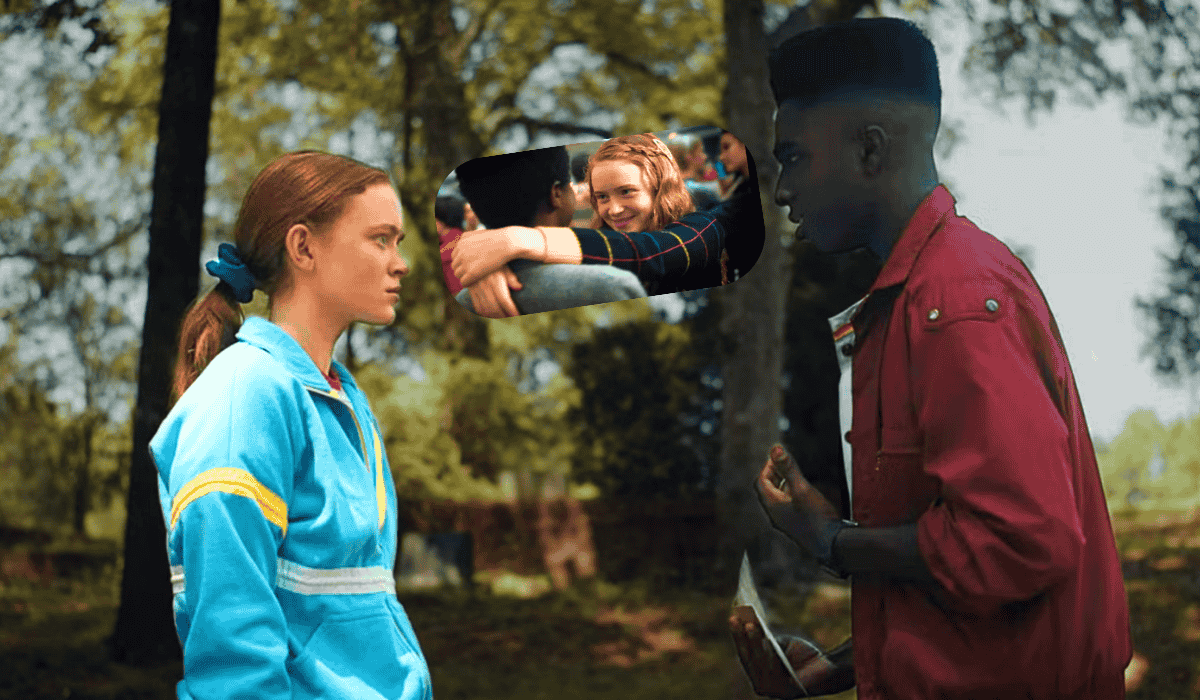
The Relationship Nobody Thought Would Last
Lucas and Max's relationship started in season two when she was the new girl in Hawkins and he was the kid trying too hard to impress her. They had chemistry immediately, but that chemistry came with complications from day one. Max was dealing with an abusive stepbrother. Lucas was navigating the social politics of middle school. Neither of them had any idea how to be in a relationship.
By season three, they were officially together and officially driving each other crazy. The show played it for comedy, showing them break up and get back together so frequently that their friends stopped keeping track. Dustin mentioned they'd broken up and reconciled multiple times just over the summer. Different sources place the number anywhere from five to seven breakups during season three alone. Mike joked about not being able to keep up with their current status.
What looked like teenage drama was actually something deeper. Lucas and Max were two traumatized kids trying to figure out how to love each other while processing supernatural horror and personal tragedy. They broke up because they didn't know how to communicate. They got back together because neither could imagine life without the other.
Season four took their dysfunction to a new level. Max's stepbrother Billy died saving her life, and she spiraled into depression and grief. She pushed Lucas away, ended their relationship, and isolated herself emotionally. Lucas didn't take it personally. He understood she was hurting and gave her space while making clear he wasn't going anywhere.
When Vecna targeted Max because of her trauma and guilt, Lucas was there. He held her while she faced death. When she ended up comatose with broken bones and no brain activity, Lucas sat by her hospital bed for nearly two years. Not because they were together. They weren't. But because that's what you do when you love someone, even when they've pushed you away.
What the Statistics Say About Breaking Up and Getting Back Together
Here's what most people believe: if you break up, you should stay broken up. Getting back together is seen as weak, desperate, or evidence that you haven't learned your lesson. Relationship advice columns tell people to move on, that exes are exes for a reason, that you're just postponing the inevitable.
The data tells a different story. Research shows that approximately 40 to 50 percent of couples who break up end up getting back together at some point. That's not a small minority. That's nearly half of all breakups resulting in reconciliation attempts.
Among young adults specifically, the numbers are even higher. A study published in the Journal of Adolescent Research found that 44 percent of people aged 17 to 24 reported breaking up and getting back together with a partner. Another study of college students at the University of Texas found that 65 percent had broken up and reconciled at some point.
The stereotype that getting back together always fails isn't supported by research either. While it's true that many reconciliations don't last, that's not universal. Studies show that relationships lasting 2 to 5 years before a breakup actually have the highest success rate for reconciliation. The emotional investment is significant enough to bring people back together, but not so long that resentment has calcified beyond repair.
Lucas and Max fit this pattern perfectly. They were together on and off from ages 13 to 18, right in that sweet spot where the relationship matters deeply but both people are still figuring out who they are. Their multiple breakups weren't evidence of incompatibility. They were evidence of two young people learning how relationships actually work.
Why Relationship Churning Isn't Always Dysfunction
Researchers have a term for what Lucas and Max experienced: relationship churning. It refers to the pattern of breaking up and getting back together repeatedly, sometimes called on-again, off-again relationships. The term carries a negative connotation, suggesting instability and poor relationship quality.
But research on relationship churning reveals something more nuanced. Yes, couples who churn frequently report higher conflict and less validation from partners. They experience relationship distress at higher rates than couples who stay together continuously. But they also report one crucial factor that keeps bringing them back: greater closeness and intimacy than other couples experience.
A study published in the Journal of Adolescent Research found that while churning couples had more negative relationship characteristics, they also reported more positive ones. The closeness between partners was so significant that it pulled them back together despite the problems. That emotional bond, that sense of being deeply known by another person, outweighed the frustration of incompatible communication styles or unresolved conflicts.
Lucas and Max demonstrated this exact pattern. They fought constantly. Max pushed Lucas away when she was grieving. Lucas couldn't always read what Max needed emotionally. Their relationship looked dysfunctional to outsiders. But underneath the conflict was a connection so deep that neither could fully let go. When Max was trapped in Vecna's mind, it was Lucas's voice and her memories of him that helped her fight back. When Max lay comatose, Lucas didn't move on. He waited.
That's not dysfunction. That's love that hasn't figured out how to function yet.
The Role of Timing in Relationships
One of the most important findings in reconciliation research is that timing matters more than compatibility. The length of the relationship before breaking up significantly affects whether couples successfully reunite. But more importantly, couples who reunite after working on themselves individually have much higher success rates than couples who get back together immediately.
Research shows that what helps most when mending a relationship isn't couples therapy or rekindling romance. It's solo self-improvement and self-care. Individuals who work on their own issues, develop better boundaries, and improve their communication skills are far more likely to successfully reconcile than people who just miss their ex and want them back.
Lucas and Max didn't just get back together because they missed each other. They got back together after growing separately. Max had to process her trauma, accept that Billy's death wasn't her fault, and learn to let people in again. Lucas had to develop the patience to love someone through depression, the maturity to not take rejection personally, and the emotional intelligence to understand that Max pushing him away was about her grief, not about him.
The two years Max spent in a coma, while horrifying, served a narrative function. Time passed. Lucas finished high school, started figuring out his future, and developed into someone capable of the kind of love Max needed. Max, trapped in her mind, had to confront her deepest fears and decide whether she wanted to fight for life or give up. When she woke up, they weren't the same kids who'd been breaking up over miscommunications in season three. They were young adults who'd both done the individual work necessary to make a relationship succeed.
The finale shows them 18 months after Max woke up. They had their movie date. They took things slow. And eventually, Mike reveals while narrating their futures, they got engaged. That timeline matters. They didn't rush back into relationship dysfunction. They rebuilt slowly, with the foundation of people who'd grown individually.
What Makes Some Reconciliations Work While Others Fail
The statistics on getting back together reveal a harsh truth: only about 15 to 18 percent of couples who reconcile stay together long-term. That means 82 to 85 percent of reconciliation attempts ultimately fail. The reasons are predictable. Couples get back together without addressing the core issues that caused the breakup. They fall into the same patterns. They realize the problems weren't circumstantial, they were fundamental.
But that 15 to 18 percent who succeed aren't just lucky. Research identifies specific factors that predict successful reconciliation. Open communication tops the list, followed by both partners demonstrating behavioral change, taking responsibility for their contributions to the breakup, and rebuilding trust slowly.
Lucas and Max checked every box. Their communication improved dramatically from their early relationship. In season four, when Max was pulling away, Lucas didn't get defensive or demand she prioritize him. He told her clearly how he felt while respecting her boundaries. When Max woke from her coma in episode seven, their reunion showed growth on both sides. Max apologized for pushing him away. Lucas told her he understood why she did it.
The behavioral change was visible too. Lucas learned patience and emotional availability. Max learned to let people in instead of isolating when hurt. They both took responsibility for their relationship patterns instead of blaming each other. And the finale shows them taking 18 months to rebuild, not rushing into engagement the moment Max recovered.
That's the secret sauce research identifies for successful reconciliation. Not passion. Not fate. Not soulmates magnetically drawn together. Just two people who both grew enough to meet each other where they needed to be met.
The Lesson Hollywood Never Teaches
Romantic comedies teach us that real love is easy. That when you meet the right person, everything clicks into place. That conflict is a sign of incompatibility and breaking up means it wasn't meant to be. That true love means never having to work at it because the right person makes everything effortless.
Lucas and Max demolish that fantasy. Their love wasn't easy. It was hard, painful, and frequently looked like it wasn't going to work. They broke up constantly. They hurt each other. They made mistakes. Max literally almost died because she was so consumed by grief that a supernatural predator could target her through her pain. Lucas watched the girl he loved lie comatose for two years with no guarantee she'd ever wake up.
None of that was easy. None of it looked like a rom-com. But it was real love, the kind that weathers trauma and survives separation because the foundation is genuine connection, not just attraction or compatibility on paper.
Research backs this up. Studies show that couples who weather significant challenges together, assuming they survive those challenges, often end up with stronger relationships than couples who never face serious adversity. The key phrase is "assuming they survive." Many relationships don't survive trauma. The stress breaks them. But the ones that do survive often emerge with deeper intimacy, greater trust, and more resilience.
Lucas and Max survived supernatural horror, grief, depression, a two-year coma, and their own relationship dysfunction. Coming out the other side engaged wasn't a fairy tale. It was the logical outcome of two people who refused to give up on each other even when giving up would have been easier.
My Take on Why We Resist This Narrative
I've spent years writing about relationships and popular culture, and I'm consistently frustrated by our culture's refusal to acknowledge that messy relationships can become healthy ones. We're so invested in the idea that the right person makes everything easy that we reject evidence to the contrary.
When people hear that Lucas and Max broke up seven times before getting it right, the common reaction is "that sounds toxic" or "they should have stayed broken up." We've been conditioned to see multiple breakups as a red flag, evidence that the relationship fundamentally doesn't work. And sometimes that's true. Some relationships should end and stay ended.
But sometimes breakups aren't about incompatibility. They're about timing, maturity, and two people who love each other but haven't figured out how to be together yet. Lucas and Max at 13 didn't have the emotional tools to handle their relationship. Lucas and Max at 15 were dealing with trauma neither knew how to process. Lucas and Max at 18, after years of growth and a devastating near-death experience, finally had what they needed to make it work.
The resistance to this narrative comes from a place of fear, I think. If we acknowledge that relationships can be this hard and still succeed, then we have to confront the question: how much work is too much work? When does fighting for a relationship become settling for dysfunction? Those are uncomfortable questions with no universal answers.
What I appreciate about Lucas and Max's story is that the Duffer Brothers didn't romanticize their dysfunction. The show never framed their constant breakups as cute or evidence of passion. It showed them as two kids struggling with relationship skills they hadn't developed yet. And it showed Lucas's two-year vigil by Max's hospital bed not as romantic gesture but as the painful reality of loving someone who might never wake up.
The finale gave them their happy ending because they earned it through growth, not because they were destined soulmates who magically fixed themselves. That distinction matters.
What This Means for Real Relationships
Lucas and Max are fictional characters, but their relationship pattern reflects real phenomena backed by decades of research. The statistics on getting back together show that it happens frequently, that it sometimes works, and that success depends almost entirely on whether both people have genuinely changed.
If you're in an on-again, off-again relationship, the Lucas and Max story offers both hope and warning. Hope because it shows that multiple breakups don't automatically doom a relationship. Warning because their success required specific conditions: both people growing individually, addressing the core issues causing dysfunction, developing better communication, and rebuilding slowly.
Most couples who break up and get back together don't do that work. They reunite because they're lonely or miss each other or convince themselves it'll be different this time without actually changing anything. Then they're surprised when they end up breaking up again for the same reasons.
The research is clear: reconciliation without individual growth and behavioral change has about a 10 percent success rate. Reconciliation after both partners work on themselves, develop new skills, and address relationship patterns has much higher success. Lucas and Max succeeded because they did the second thing.
If you're considering getting back together with an ex, ask yourself these questions: Have you both genuinely changed since the breakup? Can you communicate about the issues that caused the split without falling into old patterns? Are you getting back together because you've grown or because you're afraid of being alone? Have you taken responsibility for your role in the relationship's problems?
If the answers are yes, reconciliation might work. If the answers are no or you're not sure, you're probably setting yourself up for another breakup.
The Power of Staying When It Would Be Easier to Leave
The most powerful moment in Lucas and Max's story isn't their reunion. It's Lucas sitting by Max's hospital bed for two years while she's comatose. They weren't together when she ended up in the coma. She'd broken up with him. He had every reason to move on, to date someone else, to accept that whatever they had was over.
But he stayed. Not because he thought she'd wake up and they'd get back together. Not because he was waiting for a reward. He stayed because that's what you do when you love someone. You show up. You sit with them in their darkest moments. You don't leave just because leaving would be easier.
Research on long-term relationship success identifies commitment as one of the strongest predictors. Not passion, not compatibility, not shared interests. Commitment. The decision to keep choosing someone even when feelings fluctuate, even when things are hard, even when leaving would solve immediate problems.
Lucas demonstrated that commitment before they were even together. He loved Max enough to show up for her when she couldn't reciprocate, when she might never wake up, when there was no guarantee of anything. That's not romantic in the Hollywood sense. It's romantic in the sense of being deeply devoted to another person's wellbeing regardless of personal cost.
Max demonstrated her own version of commitment by fighting to survive. When she was trapped in Vecna's mind, she could have given up. Many would have. The guilt over Billy, the depression, the exhaustion of fighting supernatural threats, it all gave her reasons to stop trying. But she thought of Lucas and her friends and chose to fight. Not because she thought she deserved to survive, but because people loved her and she didn't want to hurt them by giving up.
That mutual commitment, that willingness to keep showing up for each other even when everything sucked, is what research shows actually predicts long-term success. Not whether you fight or break up. Not whether things are easy. But whether you both keep choosing each other when it would be simpler to walk away.
The Movie Date That Took Five Seasons
In season three, Lucas kept trying to take Max to the movies. It became a running joke. She'd agree, then they'd break up before the date happened. Or they'd make plans and supernatural chaos would interrupt. The movie date represented normal teenage romance, the kind of simple relationship milestone that kept getting derailed by Hawkins' ongoing apocalypses.
The series finale gives them that date. Five seasons, countless breakups, and a two-year coma later, Lucas and Max finally go to the movies. The show doesn't make a big deal of it. Mike mentions it while narrating their futures during the final Dungeons & Dragons game. It's one line in a longer description of what happens to each character.
But that line carries weight for anyone who's watched Lucas try to take Max to the movies for five seasons. They got their simple, normal date. They got to be regular teenagers doing regular teenager things. After everything they survived, they earned that moment of ordinary happiness.
The movie they watched is never specified, but earlier in season four, Max had a poster for Ghost in her room. Ghost is a movie about love transcending death, about staying connected to someone even when separated by impossible circumstances. If we're reading symbolism into their movie choice, Ghost fits perfectly. Max was essentially dead for two years. Lucas stayed connected to her anyway. Their love transcended a separation that should have ended their story.
The engagement that follows feels earned. Not because they never broke up, but because they broke up seven times and still found their way back. Not because their relationship was easy, but because they both did the hard work to make it possible. Not because they were soulmates destined to be together, but because they chose each other repeatedly across years and circumstances that gave them every reason to walk away.
What Lucas and Max Teach Us About Forever
The concept of soulmates suggests that some people are meant for each other, that destiny brings the right people together, that true love is fated rather than chosen. Research on this belief shows about 60 percent of people believe in soulmates, the idea that there's one perfect person out there for everyone.
But that belief can actually harm relationships. Studies show that people who believe in soulmates are more likely to end relationships when problems arise, assuming that if this person were their soulmate, things wouldn't be this hard. They're looking for effortless compatibility, and when they don't find it, they conclude they're with the wrong person.
People who view love as a choice rather than destiny have more successful long-term relationships. They understand that compatibility is built, not discovered. That staying together requires work, communication, and repeated decisions to keep choosing your partner even when feelings fluctuate. That no relationship is perfect and all relationships require navigation of differences and conflicts.
Lucas and Max's story supports the second view. They weren't destined soulmates who magically fit together. They were two people who kept choosing each other across circumstances that gave them every legitimate reason to give up. Their relationship required immense work, both individually and together. The happy ending came not from fate but from commitment, growth, and the decision to keep trying.
If they're soulmates, it's not because the universe predetermined their union. It's because they made each other soulmates through years of showing up, breaking apart, growing separately, and finding their way back. That's actually more romantic than destiny. Destiny requires nothing from you. But choosing someone again and again, especially when it's hard, requires everything.
The Truth About Growing Up Together
Lucas and Max met at 13 and ended up engaged at 19. They literally grew up together, navigating adolescence while their relationship went through every possible variation. Young love, first breakup, on-again off-again dynamics, near-death separation, and finally mature partnership. Six years of development compressed into the most formative period of human psychological development.
Research on couples who marry young used to suggest these relationships were doomed. The data showed that people who marry in their early twenties have higher divorce rates than people who wait until their late twenties or early thirties. The reasoning was that you change so much in your twenties that whoever you choose at 20 probably won't fit who you are at 30.
But more recent research complicates this. Yes, marrying very young increases divorce risk. But couples who grow together, who navigate life changes as a team while also developing individually, can succeed. The key isn't avoiding change but changing in complementary directions. Couples fail when they grow apart. They succeed when their individual growth doesn't create incompatibility.
Lucas and Max demonstrate the successful version. They changed dramatically from 13 to 19. Lucas went from insecure kid trying too hard to impress to mature young adult capable of unconditional support. Max went from defensive new girl with walls around her heart to someone who could be vulnerable and accept love. They both grew, but they grew in ways that made them more compatible, not less.
The difference between their story and relationships that fail is that they broke up multiple times during that growth. Max broke up with Lucas between five and seven times in season three alone, treating breakups as cooling-off periods when she felt he needed to apologize or make things right.
Then came the serious breakup between seasons three and four when Max's grief over Billy made maintaining any relationship impossible. They didn't try to maintain a relationship while fundamentally changing as people. They separated when they needed to be separate, worked on themselves individually, and reunited when they'd developed into people who could actually be together successfully.
That's the lesson most people miss. Staying together continuously through major life changes is incredibly difficult. Sometimes the healthiest thing is to break up, grow individually, and see if you still fit afterward. Lucas and Max did that seven times. By the seventh reunion, they finally matched.
The Risk of Romanticizing Dysfunction
I want to be careful here because I've spent this entire article arguing that Lucas and Max's relationship pattern represents healthy relationship growth despite multiple breakups. But there's a risk in that narrative. Not every on-again, off-again relationship is like theirs. Many are genuinely dysfunctional and should end permanently.
The difference comes down to whether both people are growing during the breakup periods or just recycling the same patterns. Lucas and Max weren't breaking up and getting back together every few weeks in an addictive cycle. They'd break up, spend months apart, both do individual work, and then reunite as changed people. Each reunion reflected growth, not regression.
If you're in a relationship where you break up and get back together constantly without anything changing, that's not a Lucas and Max situation. That's addiction to familiar dysfunction. If your breakups happen because of the same unresolved issues every time and your reunions happen because you miss each other but haven't addressed those issues, you're not growing. You're cycling.
Research on relationship churning shows that some people get stuck in unhealthy patterns that cause real psychological harm. They stay in relationships that hurt them because the familiarity is less scary than being alone. They confuse intensity for intimacy and mistake the drama of constant breakups and reunions for passion.
Lucas and Max's story works because it doesn't romanticize their dysfunction. The show presents their constant breakups in season three as teenage immaturity. It shows Max's depression and isolation in season four as problems that hurt both of them. It doesn't suggest that their suffering proved their love. It suggests that despite their suffering and dysfunction, they each grew enough to eventually build something healthy.
What Real Love Actually Requires
After decades of research on relationships, psychologists have identified specific behaviors that predict long-term success. Real love, the kind that lasts, requires some combination of these elements: trust, respect, effective communication, emotional intimacy, individual identity maintenance, shared values, flexibility, and commitment.
Lucas and Max's relationship demonstrates all of those by the end. They trust each other after years of proving reliability. Max trusted Lucas enough to process her trauma with him. Lucas trusted Max enough to wait for her to be ready. They respect each other's autonomy. When Max needed space in season four, Lucas gave it to her even though it hurt him. He respected her right to process grief on her own timeline.
Their communication improved dramatically across the series. Early on, they fought because neither could articulate their feelings effectively. By season four, they were having mature conversations about mental health, boundaries, and relationship needs. The emotional intimacy deepened through shared trauma and vulnerability. They'd seen each other at their absolute worst and chosen to stay anyway.
They both maintained individual identities. Lucas had his basketball, his friends, his life outside Max. Max had her skateboarding, her music, her internal world. They didn't become codependent or try to be everything to each other. They were individuals who chose to build a life together.
Most importantly, they demonstrated commitment. Not the staying-together-no-matter-what kind of toxic commitment, but the I-choose-you-and-I'll-keep-choosing-you kind. When things got hard, they didn't immediately bail. They tried to work through it. When working through it wasn't possible, they separated to grow individually. Then they came back and tried again.
That's what real love requires. Not perfection. Not ease. Not the absence of conflict. But the willingness to keep showing up, keep growing, keep choosing each other across changing circumstances and evolving identities.
The Ending They Earned
The Stranger Things finale gives Lucas and Max an earned happy ending. They get their movie date. They get engaged. Mike's narration suggests they build a life together, presumably in Hawkins or wherever they end up. After everything they survived, they get the ordinary happiness of young people starting their adult lives together.
Some fans wanted more. They wanted a big romantic scene, a dramatic proposal, explicit confirmation that they're endgame. But the understated way the show handles their ending feels more honest. Lucas and Max don't need grand gestures. They already had the grand gesture when Lucas sat by her hospital bed for two years. They already proved their love through every breakup they survived and every reunion they chose.
The simple mention that they had their movie date and ended up engaged is enough because the entire series built to that moment. Five seasons of watching them figure out how to love each other, how to be individuals while being together, how to weather trauma and still choose partnership. The ending doesn't need to be dramatic because the journey was dramatic enough.
What makes their story resonate is how relatable it is despite the supernatural setting. Most people won't date someone while fighting interdimensional monsters. But most people will experience relationship dysfunction, breakups that hurt, the question of whether to try again with someone who didn't work the first time. Most people will face the choice between walking away or staying when staying is hard.
Lucas and Max show that sometimes the relationship that doesn't work at 13 can work at 19. That breaking up doesn't always mean failure. That loving someone can include letting them go when they need space and welcoming them back when they're ready. That real love isn't about finding someone perfect, it's about finding someone you're willing to grow with.
They broke up seven times before getting it right. For some people, that sounds exhausting. For others, it sounds realistic. Because that's actually how many relationships work in real life. We try, we fail, we learn, we grow, and if we're lucky and we both do the work, we get another chance to try again with better tools.
Lucas and Max got seven chances. By the seventh, they'd finally become the people they needed to be for each other. That's not a fairy tale. That's real love.
Related Reads: The Duffer Brothers Had Lucas And Max Watch Ghost For A Reason And It Explains Everything About Soulmates