Three Marvel Movies Combined Made Less Than One Cartoon About Talking Animals

Disney just accomplished something no other studio has managed since before the pandemic. The entertainment giant crossed $6 billion at the global box office in 2025, marking its best year since 2019. Meanwhile, the rest of Hollywood is still trying to figure out why audiences stopped showing up.
This isn't just a win. It's Disney running a victory lap while its competitors limp along 20 percent below pre-pandemic levels. The overall theatrical market remains stuck in recovery mode, but Disney seems to operate in a parallel universe where the rules don't apply.
The Numbers Paint an Uncomfortable Picture
Disney pulled in $2.3 billion domestically and $3.65 billion internationally as of December 23, officially crossing the $6 billion threshold on Christmas Eve. The studio's total haul gets even more impressive when you realize they did this despite several major flops.
For context, Disney last hit this milestone in 2019 when they dominated with seven billion-dollar films including Avengers: Endgame, The Lion King, Frozen II, and Toy Story 4. That year, Disney and Fox combined generated $13.1 billion globally. The 2025 performance represents roughly half that figure, but it still dwarfs everyone else's efforts.
Warner Bros., Disney's closest competitor, crossed $4 billion in September with hits like A Minecraft Movie, Sinners, Superman, and The Conjuring: Last Rites. They never stood a chance of catching up. Disney's lead grew wider as the year progressed, driven by releases that kept printing money well into December.
Two Movies Did Most of the Heavy Lifting
Zootopia 2 became the year's highest-grossing film with $1.3 billion and counting. The animated sequel is still in theaters, still climbing, and shows no signs of stopping. It achieved the second-highest international gross for an animated film ever, trailing only Inside Out 2.
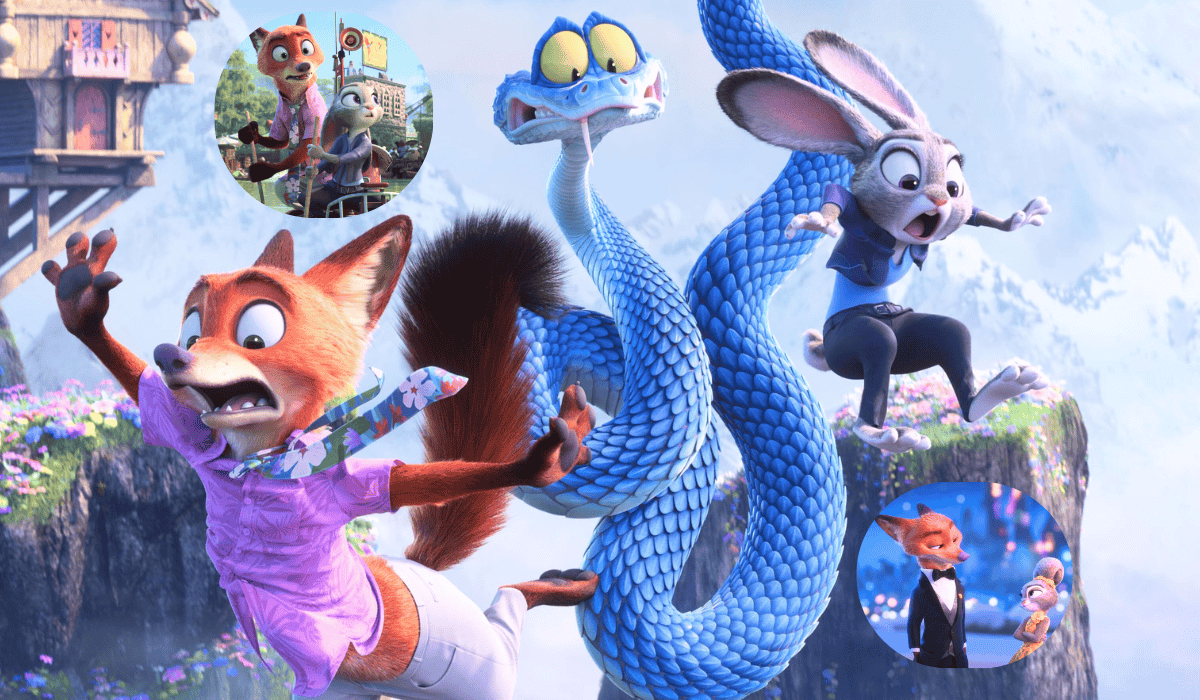
The film's performance in China deserves special attention. It pulled in over $500 million there, ranking behind only Avengers: Endgame as the largest release from a major Hollywood studio in that market. This matters because Chinese audiences have rejected American films for years. Zootopia 2 broke through when nothing else could.
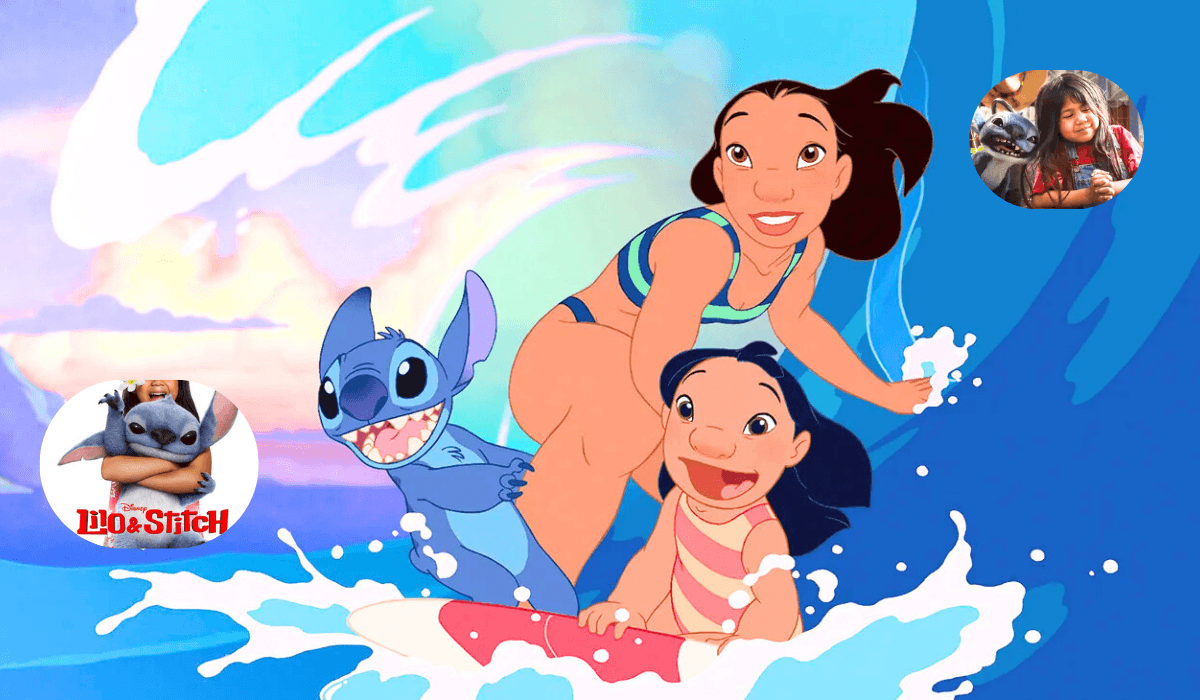
Lilo & Stitch, the live-action remake, hit $1.03 billion globally. A film about an alien that learns the meaning of ohana generated more revenue than most countries' annual GDP. Let that sink in for a moment.
Avatar: Fire and Ash contributed $450 million after just one week of release. James Cameron's latest journey to Pandora launched in late December, meaning its full impact on Disney's 2025 totals remains incomplete. The film will likely push Disney's yearly haul even higher once final numbers come in.
The Failures Nobody Wants to Talk About
Here's what makes Disney's success particularly interesting. They achieved this milestone while actively losing money on multiple releases. Snow White reportedly bombed with $205 million against a production budget exceeding $200 million. Pixar's Elio managed only $154 million. Tron: Ares brought in $142 million.
These aren't rounding errors. These are expensive failures that would cripple smaller studios. Disney absorbed the losses and kept moving because their hits generate enough revenue to subsidize their misses.
Marvel's 2025 slate tells an even more complicated story. Captain America: Brave New World earned $415 million globally. Thunderbolts pulled in $382 million. The Fantastic Four: First Steps reached $521 million. By historical Marvel standards, these numbers represent disappointments.
Compare them to the Marvel of five years ago, when billion-dollar grosses felt routine. Captain Marvel hit $1.13 billion in 2019. Avengers: Endgame reached $2.8 billion. Even Black Panther crossed $1.3 billion back in 2018. The current Marvel movies aren't disasters, but they're clearly operating at a lower altitude than their predecessors.
Disney Found a Monopoly Cheat Code
Let me be blunt about what's happening here. Disney isn't succeeding because they make better movies. They're succeeding because they own everything. When you control Marvel, Pixar, Lucasfilm, 20th Century Studios, and Disney Animation, you're not competing in the film industry anymore. You are the film industry.
This $6 billion achievement isn't impressive in the way people think. It's impressive the way Amazon's market dominance is impressive, which is to say it's concerning rather than admirable. Disney has effectively created a situation where their mediocre releases still outperform everyone else's best efforts.
The three Marvel movies combined made $1.3 billion, barely more than Zootopia 2 alone. A decade ago, that would have been considered a catastrophic failure for the MCU. Now it's just Tuesday. We've normalized Disney's underperformance because they've conditioned us to accept lower standards as long as they still beat the competition.
And here's the uncomfortable truth: the competition isn't really competing anymore. They're fighting over scraps while Disney takes the whole table. Warner Bros. celebrating their $4 billion year looks pathetic when Disney cruises past $6 billion without breaking a sweat.
The Marvel Problem Disney Won't Acknowledge
Marvel used to be Disney's most reliable profit engine. Now it's become a question mark wrapped in expensive CGI. The three 2025 Marvel releases averaged $439 million each. That sounds decent until you remember the budgets.
Captain America: Brave New World cost approximately $180 million to produce. Add marketing costs and the break-even point sits around $450 million. The film barely cleared that threshold. Thunderbolts had a similar budget and needed roughly $425 million to break even. It fell short, finishing at $382 million and becoming one of the lowest-grossing MCU films ever.
The Fantastic Four: First Steps had a reported budget of $200 million, putting its break-even point near $500 million. It squeaked past $520 million, but barely. All three films received generally positive reviews. Audiences didn't hate them. They just didn't care enough to show up in previous Marvel numbers.
This represents a fundamental shift in how superhero movies perform. The MCU's cultural dominance has eroded. The "event film" quality that made every Marvel release feel mandatory has evaporated. These movies now exist in the same category as every other blockbuster: they need to justify their existence rather than automatically commanding attention.
Disney's response? Essentially pretending nothing changed. They're betting $1.5 billion on Avengers: Doomsday to reverse the trend. Good luck with that.
Why the Rest of Hollywood Can't Keep Up
Disney's market position creates advantages that compound over time. Their parks and merchandise divisions turn film properties into multi-decade revenue streams. A movie that underperforms theatrically can still generate billions through toys, theme park attractions, and consumer products.
Look at Lilo & Stitch. The film earned over $1 billion at the box office, but Disney will make multiples of that amount through merchandise sales. The original 2002 animated film continues generating product revenue more than two decades later. The new version just reset the clock on that cash machine.
Marvel characters work the same way. Thunderbolts may have disappointed at the box office, but those characters will appear in Disney+ shows, future Avengers films, theme park experiences, and endless merchandise. The theatrical release is just the marketing campaign for the real business.
Other studios can't replicate this model. They lack the integrated entertainment ecosystem that makes Disney's apparent failures actually profitable. When a Universal or Paramount release bombs, it just bombs. When a Disney release bombs, it still contributes to the larger intellectual property portfolio.
This is why Disney can absorb losses on Snow White and Tron: Ares without breaking stride. Those films feed into a system designed to extract value across multiple platforms over many years. The initial theatrical return barely matters in the grand scheme.
The Inflation Adjustment Nobody Mentions
Here's something that deserves more attention. Disney's $6 billion in 2025 is not equivalent to $6 billion in 2019. Adjust for inflation and you need approximately $7.6 billion in 2025 to match 2019's buying power. By that measure, Disney's "historic" achievement actually represents a significant decline in real revenue.
The press runs with these milestone headlines because they're simple and celebratory. Studios love them because they generate positive coverage. But the underlying economics tell a different story. Disney is making less money in real terms while spending more to produce films.
Marvel's budgets have ballooned even as their returns diminished. The Fantastic Four cost $200 million. Captain America and Thunderbolts each cost $180 million. Compare this to the early MCU when Iron Man cost $140 million and Captain America: The First Avenger cost $140 million. Those films were made for less money and generated comparable or better returns.
The math doesn't work anymore, but everyone involved has incentives to pretend it does. Disney needs positive narratives to support their stock price. Theater owners need to believe in the industry's recovery. Journalists need content that drives clicks. So we all agree to celebrate Disney hitting $6 billion while ignoring that it represents a decline from their previous performance.
What This Means for 2026
Disney enters next year with enormous expectations. Avengers: Doomsday needs to justify years of buildup and billions in connected storytelling. Spider-Man: Brand New Day carries the weight of being the MCU's most popular character. Toy Story 5, live-action Moana, and The Devil Wears Prada 2 all need to perform.
The pressure is immense because 2025's success came from unexpected places. Nobody predicted Zootopia 2 would become the year's biggest film. Lilo & Stitch performing this well caught everyone by surprise. Avatar continues printing money because James Cameron is James Cameron, but even he can't keep the franchise running forever.
Marvel's upcoming slate represents Disney's attempt to recapture past glory through sheer force of will. They're throwing Robert Downey Jr. back into the MCU as Doctor Doom, hoping his star power can resurrect the franchise's flagging momentum. They're positioning Avengers: Doomsday as the next Endgame-level event.
My prediction: it won't work as planned. The cultural moment that made the original Avengers saga feel essential has passed. Audiences have superhero fatigue. More importantly, they've developed Disney fatigue. The company's dominance has made their output feel inevitable rather than exciting.
The Uncomfortable Future
Disney's $6 billion year proves they've built an empire that can withstand individual failures. But empires eventually fall, usually from within. The company is coasting on intellectual property developed years or decades ago. Zootopia 2 is a sequel to a 2016 film. Lilo & Stitch is a remake of a 2002 property. Avatar builds on a 2009 original. The Marvel characters date back even further.
Where's the new? Where's the fresh intellectual property that will sustain Disney through the 2030s and beyond? They're so focused on exploiting existing franchises that they've stopped creating the next generation of properties. This works until it doesn't.
The 2025 success also masked some troubling trends. Theater attendance continues declining. Audiences increasingly wait for streaming releases rather than paying for theatrical experiences. The window between theatrical and digital release keeps shrinking. Disney moved from 90-day windows to 45-day minimums, with most films hitting Disney+ within 60 days.
This cannibalizes theatrical revenue while training audiences to wait. Why rush to see a Marvel movie in theaters when it'll be on Disney+ in two months? The short-term boost to subscriber numbers undermines long-term theatrical viability.
Disney is essentially eating its own tail, using streaming to justify theatrical underperformance while using theatrical releases to drive streaming subscriptions. This works until people realize they can just wait for everything to come to streaming, at which point the theatrical business collapses entirely.
The Real Winner Here
It's not Disney. It's Bob Iger. The CEO weathered years of criticism about Disney's declining box office, streaming losses, and creative stagnation. The $6 billion milestone gives him ammunition to claim he's righted the ship. Never mind that the victory came from sequels and remakes rather than original ideas. Never mind that Marvel's supposedly recovered while actually underperforming. Never mind the inflation adjustment that reveals the success is less impressive than it appears.
Iger gets to declare victory, and the board will likely reward him with another contract extension and compensation package. The stock will probably rise on the news. Analysts will write positive reports about Disney's theatrical recovery. Everyone will pretend the underlying problems don't exist.
Meanwhile, the film industry as a whole continues its slow decline. Overall ticket sales remain 20 percent below 2019 levels with no sign of recovery. The consolidation of power into Disney's hands means less competition, less diversity of product, and less innovation. But we're supposed to celebrate because the monopoly is performing well.
Where We Go From Here
Disney's 2025 achievement changes nothing about the industry's fundamental challenges. Audiences are choosier than ever about what merits a theatrical visit. Streaming has permanently altered consumption patterns. Production costs continue rising while return on investment declines. The economic model that sustained Hollywood for decades no longer functions reliably.
Disney's advantage is scale. They can absorb losses that would destroy smaller studios. They can leverage intellectual property across multiple business segments. They can essentially subsidize unprofitable films with parks revenue and merchandise sales. This makes them resilient but doesn't solve the industry's core problems.
The rest of Hollywood faces a choice: compete with Disney's scale, find sustainable niches Disney can't dominate, or exit the theatrical business entirely. Many studios are already choosing option three, pivoting to streaming-first strategies that bypass theaters altogether.
This year's $6 billion milestone might represent peak Disney theatrical performance rather than a new baseline. The combination of factors that enabled it (weak competition, strong sequels, Avatar's timing) won't necessarily repeat. Next year could easily see Disney fall back below $5 billion if their big bets don't pay off.
But for now, Disney gets to bask in being the only studio to crack $6 billion since 2019. They've earned the right to celebrate, even if the celebration papers over more problems than it solves. The Mouse House still rules Hollywood, for better or worse. Mostly worse, in my opinion. But that's the reality we're living in, so we might as well acknowledge it.