Hot take: datacenter technician will be a more stable and better-compensated career than software engineer within ten years. Software is getting commoditized. Physical infrastructure expertise is not.
5
Sign up to see more
SignupAlready a member?
LoginBy continuing, you agree to Sociomix's Terms of Service, Privacy Policy

Hot take: datacenter technician will be a more stable and better-compensated career than software engineer within ten years. Software is getting commoditized. Physical infrastructure expertise is not.
The series being in its final arc right now actually makes the anime case stronger. You can announce an adaptation, build hype, and have a clear endpoint to market toward.
Just finished the available chapters and I genuinely stared at the last panel for like three minutes. Cannot explain why without spoiling it.
Seoul Station's Necromancer has the best setup of any series on this list. Ten years of brutal survival only to return home and find out only one year passed is such a simple but devastating premise hook.
The article mentions that fights function as character studies. This is the key thing. You do not watch The Boxer to find out if Yu wins. You watch to understand what losing means to the person across from him.
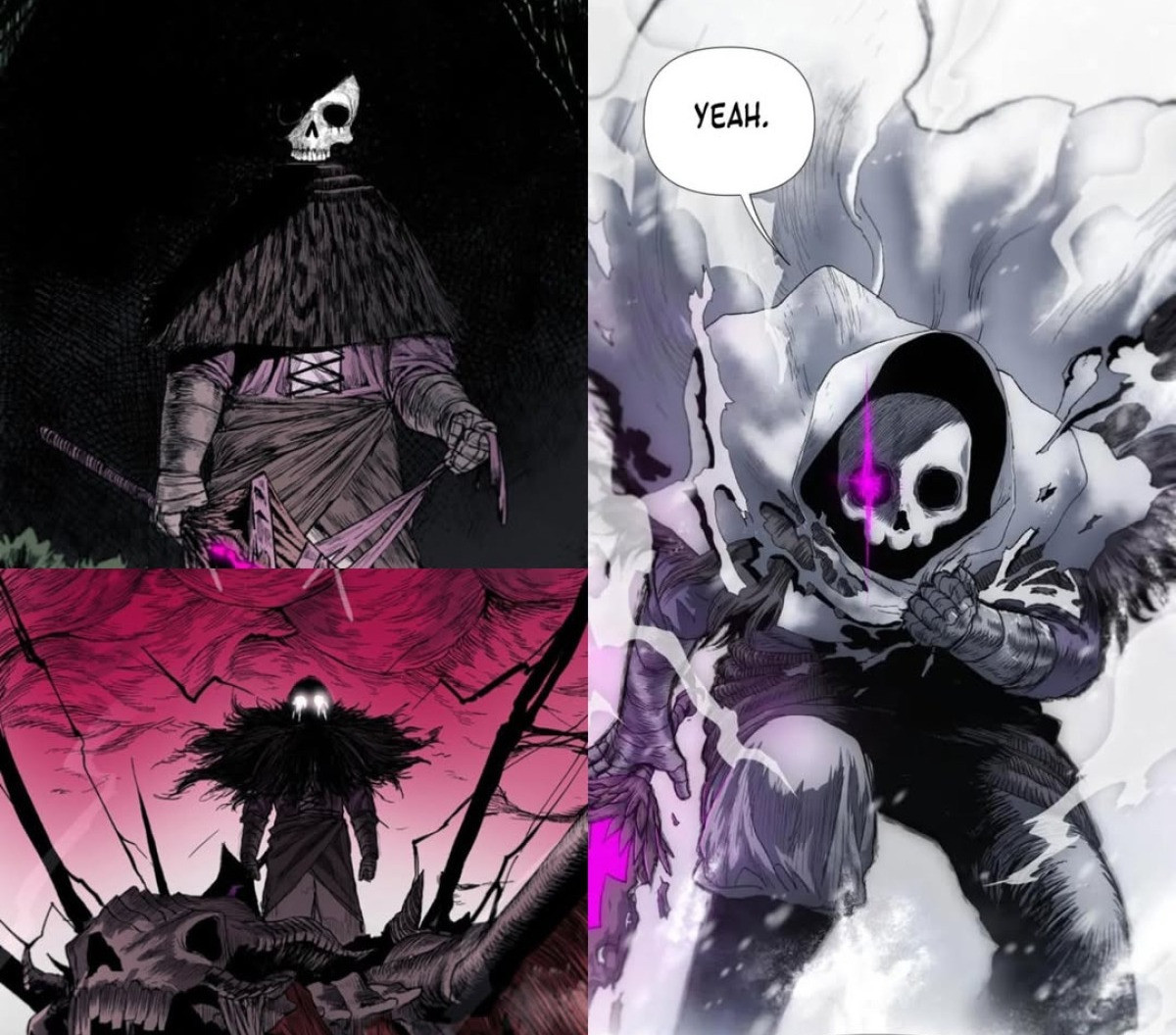
When a manhwa gets compared to Frieren: Beyond Journey's End but with a dark, bleak twist, expectations immediately rise. The Tale of the Skeleton Messenger, released on Webtoon in January 2026 by creators kain_y and SORAGAE, arrives with that exact premise and a tone that sets it apart from the increasingly crowded fantasy manhwa landscape. Most fantasy stories lean toward hopeful narratives where heroes overcome darkness through determination and friendship. Even dark fantasy typically offers glimmers of light and the possibility of triumph. The Tale of the Skeleton Messenger takes a different approach, embracing bleakness and melancholy in ways that feel refreshing rather than oppressive, thoughtful rather than nihilistic.
In a manhwa landscape dominated by dungeon crawling, regression narratives, and power fantasies, The Greatest Estate Developer stands out by asking a simple question: what if the protagonist's greatest weapon wasn't a sword or magic system, but civil engineering knowledge? This bizarre premise transforms into one of the most entertaining, genuinely funny, and surprisingly heartfelt series currently running, proving that innovation in storytelling comes from unexpected places. The series takes the familiar isekai setup where a modern person finds themselves in a fantasy world and completely subverts expectations. Instead of becoming an adventurer or hero, protagonist Kim Suho uses his engineering knowledge to revolutionize construction, infrastructure, and economic development. What sounds like it should be boring becomes absolutely captivating through sharp writing, excellent comedic timing, and genuine passion for showing how infrastructure improves lives.

The series being on hiatus right now while the artist situation gets sorted is frustrating but at least they're continuing with another artist from Redice Studio instead of cancelling.
In a medium filled with talented artists producing stunning work, making a claim about any series having the "best" art feels bold. Yet Nano Machine consistently delivers combat sequences so fluid, detailed, and visually innovative that even readers who don't typically care about martial arts stories find themselves captivated by the sheer spectacle on display. The series combines traditional murim aesthetics with futuristic sci-fi elements, creating a unique visual identity that stands apart from typical cultivation manhwa. The nano machine implanted in protagonist Cheon Yeo-Woon's body doesn't just give him power. It becomes a storytelling device that allows the artist to visualize techniques, energy flows, and combat analysis in ways other series can't replicate.

The most important thing the adaptation needs to get right is the silence. The pauses between moments. The decisions made in stillness. That is where The Boxer actually lives.
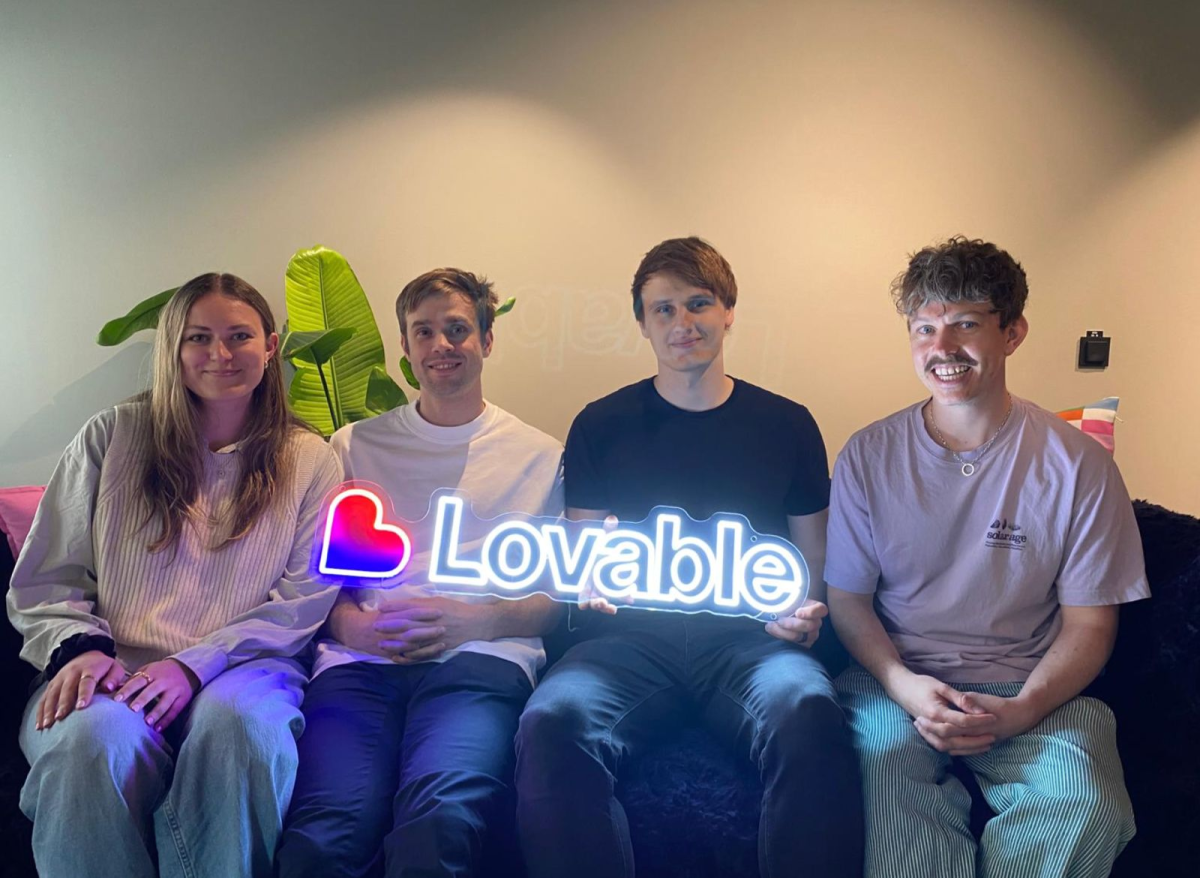
The software development world just witnessed something unprecedented. A European startup called Lovable reached $20 million in annual recurring revenue in just two months, making it potentially the fastest-growing startup in European history. But here's the twist that's making traditional software agencies nervous: they did it by giving non-technical founders the power to build full-stack applications without writing a single line of code. For years, the promise of no-code tools has been the same: anyone can build an app. But the reality has always been different. You'd create a beautiful frontend, get excited about your progress, and then hit the technical cliff. Suddenly you needed to configure databases, set up authentication, manage API keys, and deploy to servers. The "no-code" dream became a "hire-a-developer-anyway" nightmare.
The article says no enterprise technology company in recorded history has compounded at this rate. That's either the most important sentence written about tech in 2026 or a sign we are in the most spectacular bubble in tech history. Possibly both.
The safety first mission branding is doing real work for Anthropic in regulated industries. When you're selling AI to a hospital system or a bank, the company that built its entire identity around not cutting corners on safety has a meaningful credibility edge.
That co-design middle path is probably the smartest option. You get meaningful customization without the full organizational overhead and capital exposure of a completely in-house program. It is what Amazon effectively did with its early Trainium chips.
Someone needs to talk about what it means when the AI powering your search for a restaurant is also the AI trained on data from every social media interaction you have had for the last fifteen years. That is a different kind of personalization than we have ever seen.
In a rare divergence from industry norms, TikTok has confirmed it will not adopt end-to-end encryption (E2EE) for direct messages, breaking with nearly every major social media platform and reigniting one of the tech industry's most contentious debates. The Chinese-owned video platform told the BBC exclusively that it believes the privacy technology championed by Meta, Apple, and others as essential for user protection actually makes users less safe by creating "dark spaces" where harmful content can flourish beyond the reach of safety teams and law enforcement. The decision puts TikTok in direct opposition to its competitors while potentially exposing the company to fresh criticism over data protection, particularly given ongoing concerns about its ties to Beijing.
No formal team has been announced yet. Reports say no dedicated engineering group has been committed and no final design has been selected. Right now it sounds like strategy consultants and internal discussions, not actual chip design.
Solid article overall, but I would push back on the framing that this is purely strategic analysis rather than active development. Companies do not announce that they are studying chip development unless they have already decided to do it. This is a managed leak.