
Is there a good place to start if someone wants to get into the source material before the anime? The manhwa on Webtoon or go straight for the physical novels from Ize Press?
22
Sign up to see more
SignupAlready a member?
LoginBy continuing, you agree to Sociomix's Terms of Service, Privacy Policy

Is there a good place to start if someone wants to get into the source material before the anime? The manhwa on Webtoon or go straight for the physical novels from Ize Press?
Does anyone else find it interesting that the web novel actually finished in July 2025 but the manhwa is still ongoing? So technically we already know how the full story ends, we're just waiting on the visual adaptation to catch up.
The Warrior Returns made me genuinely emotional in a way I did not expect from what initially looked like a fish-out-of-water comedy setup. When he sees his family again the series drops its humorous tone completely and the shift is earned.
When Tomb Raider King first exploded onto the manhwa scene, it brought a fresh take on dungeon crawling stories by combining archaeological adventure with ruthless protagonist energy and a treasure-hunting premise that felt genuinely different from typical gate and dungeon narratives. The series built a dedicated fanbase through its satisfying blend of historical artifact powers, strategic relic acquisition, and a protagonist who wasn't afraid to be morally gray in pursuit of his goals. Now, with the anime adaptation confirmed for 2026 as one of the most anticipated manhwa-to-anime projects, Tomb Raider King is experiencing a resurgence. New readers are discovering the series while longtime fans eagerly await seeing Jooheon Suh's relic-hunting adventures brought to life with animation. The timing couldn't be better, as the series has built enough content to support a substantial adaptation while maintaining momentum in its ongoing storyline.

In a manhwa landscape dominated by dungeon crawling, regression narratives, and power fantasies, The Greatest Estate Developer stands out by asking a simple question: what if the protagonist's greatest weapon wasn't a sword or magic system, but civil engineering knowledge? This bizarre premise transforms into one of the most entertaining, genuinely funny, and surprisingly heartfelt series currently running, proving that innovation in storytelling comes from unexpected places. The series takes the familiar isekai setup where a modern person finds themselves in a fantasy world and completely subverts expectations. Instead of becoming an adventurer or hero, protagonist Kim Suho uses his engineering knowledge to revolutionize construction, infrastructure, and economic development. What sounds like it should be boring becomes absolutely captivating through sharp writing, excellent comedic timing, and genuine passion for showing how infrastructure improves lives.

The physical sensation of death being real and not abstracted away is such a specific creative choice. Most power fantasy stories give you the upgrade without the cost. Making the cost visceral and ongoing changes the entire emotional contract with the reader.
Forty million dollars in annual recurring revenue. Six months. One browser-based platform. Those numbers would be impressive for any software company, but for Bolt.new, they represent something more significant: the moment when development environments moved permanently into the cloud and never looked back. Traditional software development has always required setup. Install Node.js, configure your environment, manage dependencies, set up local servers, troubleshoot version conflicts. Before writing a single line of code, developers spend hours or even days preparing their machines. Junior developers often spend their first week just getting their environment working. Bolt.new eliminated all of that with WebContainers technology.
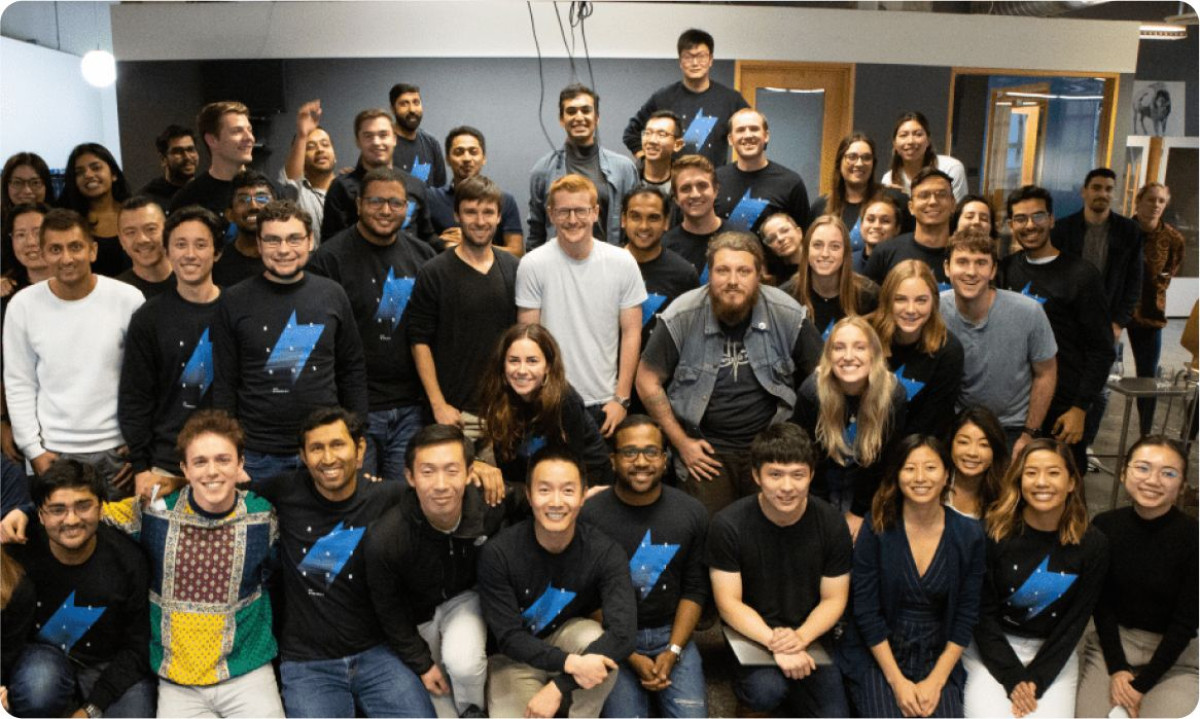
Hot take: the companies most disrupted by this will not be dev agencies or freelancers. It will be the no-code and low-code platforms. Replit is better than most of them now and it writes actual code you can take anywhere.
My real estate team uses stock avatars for neighborhood walkthrough scripts. We generate a new video every time a listing detail changes without going back to reshoot anything. Saves probably six hours a week across the team.
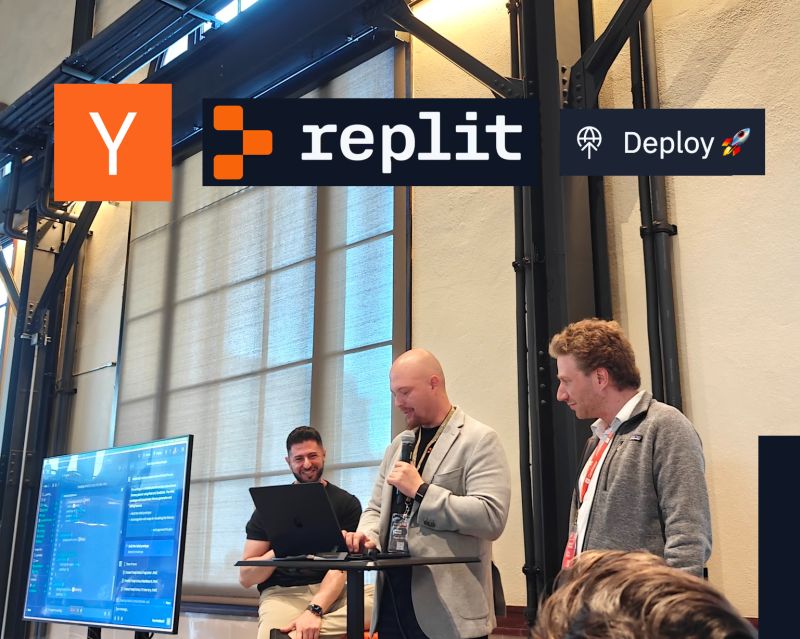
When a company's revenue jumps from $10 million to $100 million in nine months, you pay attention. When that growth comes from an AI agent that builds entire applications autonomously, you realize something fundamental just changed in software development. Replit Agent represents that change, and the numbers prove developers are ready for it. Replit started as a browser-based coding environment for education. Students could write Python or JavaScript without installing anything locally. Teachers loved it because setup time vanished. But the company saw something bigger. If you could run code in the browser, why not let AI write that code? That question led to Agent 3, an AI that doesn't just suggest code completions. It builds entire applications from scratch.
The part about fonts not matching and spacing being inconsistent in developer-translated designs is painfully specific. Every designer I have ever worked with has that exact complaint. Nice to see someone actually name it.
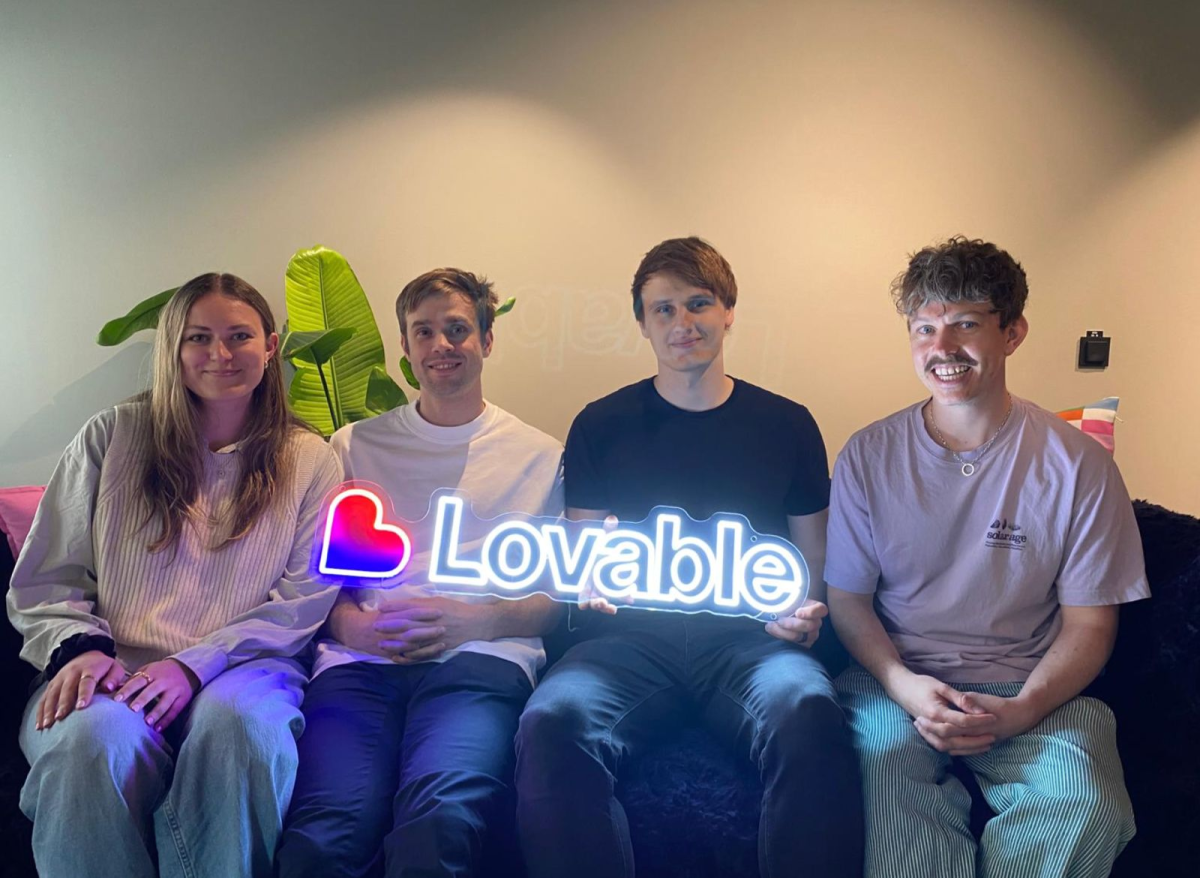
The software development world just witnessed something unprecedented. A European startup called Lovable reached $20 million in annual recurring revenue in just two months, making it potentially the fastest-growing startup in European history. But here's the twist that's making traditional software agencies nervous: they did it by giving non-technical founders the power to build full-stack applications without writing a single line of code. For years, the promise of no-code tools has been the same: anyone can build an app. But the reality has always been different. You'd create a beautiful frontend, get excited about your progress, and then hit the technical cliff. Suddenly you needed to configure databases, set up authentication, manage API keys, and deploy to servers. The "no-code" dream became a "hire-a-developer-anyway" nightmare.
Genuinely curious, has anyone actually used the macOS Codex desktop app that launched in February? Is it actually useful or is it mostly a novelty wrapper around the web experience?
Not gonna lie, the code-name being Avocado is doing a lot of work to make me like this company more than I probably should.
The global cryptocurrency market capitalization has climbed back above the $2.5 trillion threshold, fueled by a massive liquidation of short positions and renewed institutional interest. Geopolitical developments and shifting investor sentiment combined to create a powerful rally that caught bearish traders off guard, resulting in substantial losses for those betting against the market. According to data from CoinGecko, the total market capitalization of all cryptocurrencies combined increased 1.4% to reach $2.52 trillion on Friday, April 10. Bitcoin experienced a notable surge of over 3%, briefly touching the $73,000 mark before consolidating around $72,000 at the time of writing. Ethereum demonstrated equally impressive strength, pushing past the $2,200 level, while the majority of top 10 cryptocurrencies by market capitalization also posted significant gains.

Iran accepting Bitcoin for oil cargo at the Strait of Hormuz is either the most significant real-world Bitcoin adoption news in years or it's a market manipulation rumor. Not much in between.
I added emerald drop earrings to mine for a holiday twist and it looked incredible. Really made the whole outfit pop!