The genre has surged so much that publishers are clearly greenlighting anything with a regression premise right now. The signal-to-noise ratio has gotten rough for new readers trying to find quality entries.
18
Sign up to see more
SignupAlready a member?
LoginBy continuing, you agree to Sociomix's Terms of Service, Privacy Policy

The genre has surged so much that publishers are clearly greenlighting anything with a regression premise right now. The signal-to-noise ratio has gotten rough for new readers trying to find quality entries.
The question the article raises about whether isolation constitutes wisdom or resignation is going to live in my head for a while.
For readers who come from literary fiction rather than manhwa, this is the series to start with. The emotional seriousness will feel familiar even if the format does not.
The article says this series will make you question the nature of talent. That is understating it. It made me question whether anything I work hard at is meaningful if the outcome is already determined by things outside my control.
The article describing Omniscient Reader as regression-adjacent is accurate but the series belongs on every quality list regardless of strict genre classification. It is simply the best manhwa being produced right now and the upcoming anime will prove that to a much larger audience.
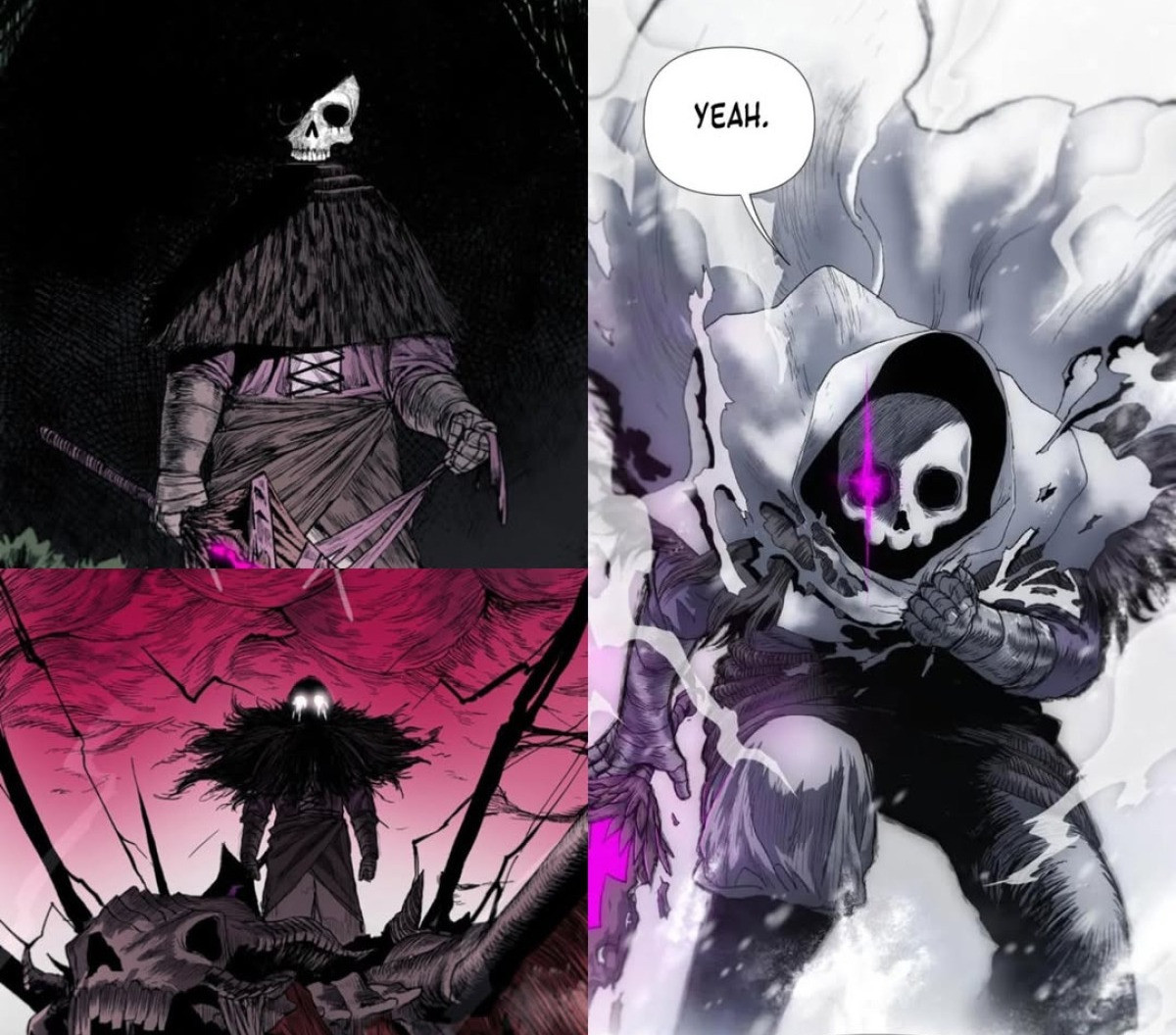
When a manhwa gets compared to Frieren: Beyond Journey's End but with a dark, bleak twist, expectations immediately rise. The Tale of the Skeleton Messenger, released on Webtoon in January 2026 by creators kain_y and SORAGAE, arrives with that exact premise and a tone that sets it apart from the increasingly crowded fantasy manhwa landscape. Most fantasy stories lean toward hopeful narratives where heroes overcome darkness through determination and friendship. Even dark fantasy typically offers glimmers of light and the possibility of triumph. The Tale of the Skeleton Messenger takes a different approach, embracing bleakness and melancholy in ways that feel refreshing rather than oppressive, thoughtful rather than nihilistic.
Pushing back slightly on the most emotionally complex framing in the title. Complex is not always better and some readers want different things from their reading experience. The emotional intensity here is intentional but it is not for everyone and that is okay.
It clicks around chapters 15 to 20 when the relic personalities start becoming a real storytelling element rather than just flavor text. First ten chapters are setup and worth pushing through.
What I find compelling is that the tool explicitly targets professional developers and does not try to be everything to everyone. That focus shows up in what features get prioritized and what gets left out.
Honestly the most interesting competitive dynamic right now is not HeyGen versus Synthesia. It is what happens when every major creative platform adds an AI presenter feature natively. That is the existential question for standalone avatar video tools.
Revenue per employee of over two million dollars is genuinely absurd for a software company. The traditional playbook where you hire a large development team to match growth is completely broken as a model.
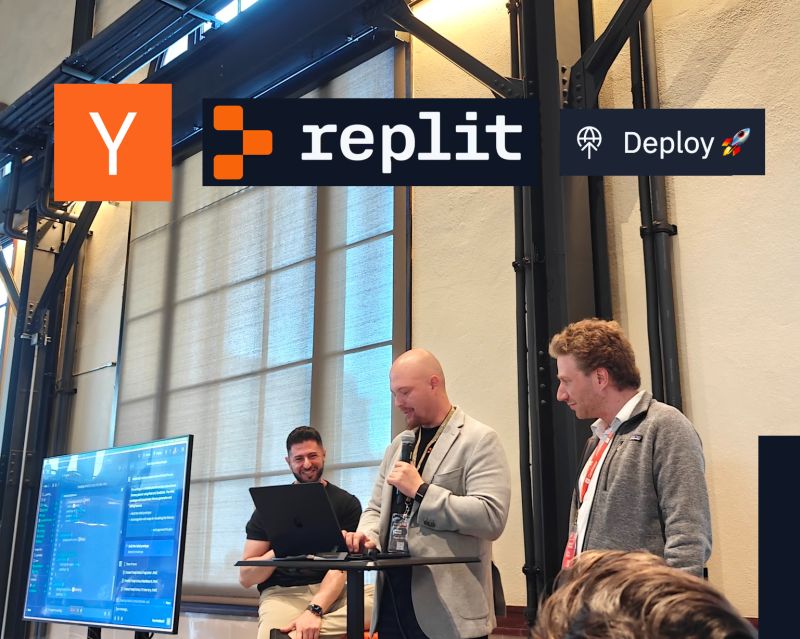
When a company's revenue jumps from $10 million to $100 million in nine months, you pay attention. When that growth comes from an AI agent that builds entire applications autonomously, you realize something fundamental just changed in software development. Replit Agent represents that change, and the numbers prove developers are ready for it. Replit started as a browser-based coding environment for education. Students could write Python or JavaScript without installing anything locally. Teachers loved it because setup time vanished. But the company saw something bigger. If you could run code in the browser, why not let AI write that code? That question led to Agent 3, an AI that doesn't just suggest code completions. It builds entire applications from scratch.
The designer-developer relationship has been tense for decades. Designers create pixel-perfect mockups in Figma. Developers translate them to code and somehow everything looks slightly wrong. Fonts don't match. Spacing is inconsistent. Buttons have different corner radiuses. Both sides get frustrated, blame each other, and the product suffers. V0 by Vercel is fixing this problem by generating production-quality React components that look exactly like the designs. The rebrand from v0.dev to v0.app in January 2026 signaled expanded ambitions beyond just UI component generation. Vercel positioned the tool for full-stack web development, though its core strength remains frontend excellence. That strategic clarity matters because trying to be everything often means excelling at nothing. V0 chose to dominate the handoff between design and code before expanding into other areas.

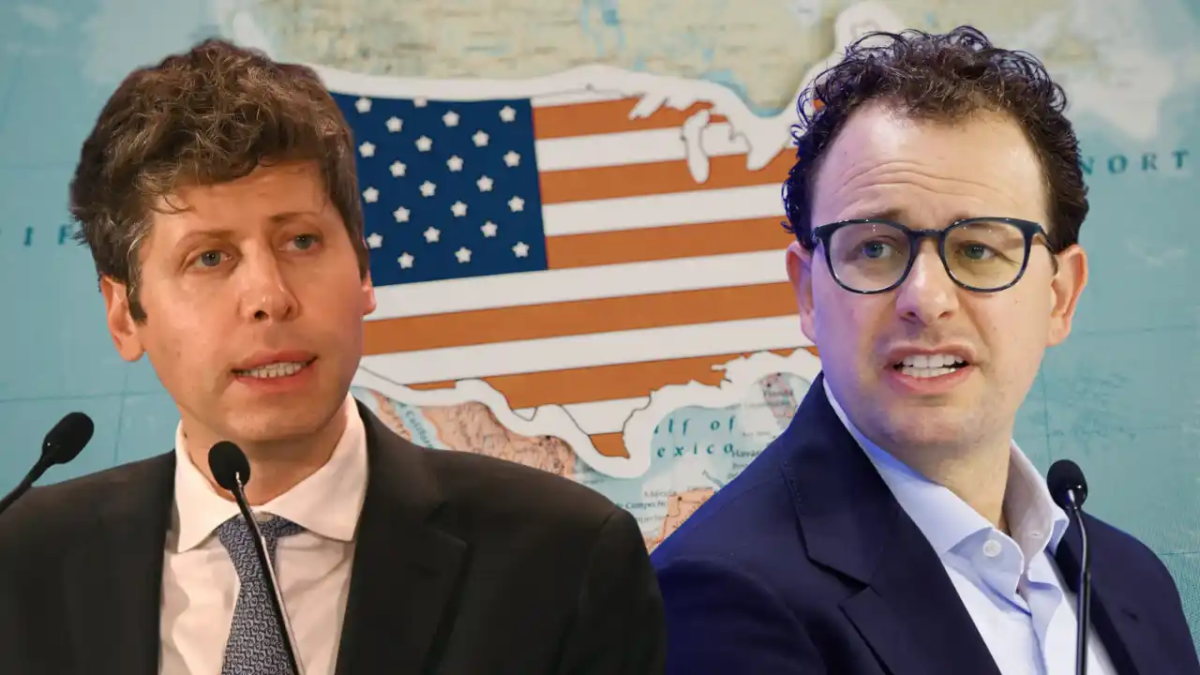
There's a photograph from February 2026 that pretty much sums up the state of AI right now. At the India AI Impact Summit in New Delhi, Indian Prime Minister Narendra Modi invited the world's tech leaders onstage for a group photo. Everyone held hands. Well, almost everyone. Sam Altman of OpenAI and Dario Amodei of Anthropic, standing right next to each other, refused to clasp hands and instead raised their fists separately. The internet, predictably, lost its mind. An awkward moment between OpenAI CEO Sam Altman and Anthropic CEO Dario Amodei at an AI Summit captured the increasingly icy relations between two rival tech leaders who started off as colleagues. That's not just petty drama. It's a window into what may be the most consequential corporate rivalry in the technology world right now, one that's playing out in boardrooms, courtrooms, Super Bowl ads, and billion-dollar compute deals all at once.
Genuinely do not understand the people calling this a smart business move. Europe is TikTok's most important market for growth and Europe has the strictest data protection laws. Not encrypting messages while also fighting a massive GDPR fine is not a winning strategy in that market.
In a rare divergence from industry norms, TikTok has confirmed it will not adopt end-to-end encryption (E2EE) for direct messages, breaking with nearly every major social media platform and reigniting one of the tech industry's most contentious debates. The Chinese-owned video platform told the BBC exclusively that it believes the privacy technology championed by Meta, Apple, and others as essential for user protection actually makes users less safe by creating "dark spaces" where harmful content can flourish beyond the reach of safety teams and law enforcement. The decision puts TikTok in direct opposition to its competitors while potentially exposing the company to fresh criticism over data protection, particularly given ongoing concerns about its ties to Beijing.
Exactly. This is negotiating by press release. You do not need to actually build chips to benefit from announcing you are thinking about building chips.
Real talk, letting Apple, Google, and Microsoft have exclusive access to the most powerful hacking tool ever built while calling it a security initiative is a PR reframe that deserves way more scrutiny.
The UK Online Safety Act is such a mess. It basically requires platforms to both protect privacy and scan content simultaneously. At some point lawmakers have to acknowledge that is a technical contradiction.