Data center job postings surged 64 percent between 2023 and 2025 according to a recent analysis. For comparison, the broader economy saw 4 percent growth in the same roles. That gap is not closing anytime soon.
15
Sign up to see more
SignupAlready a member?
LoginBy continuing, you agree to Sociomix's Terms of Service, Privacy Policy
Data center job postings surged 64 percent between 2023 and 2025 according to a recent analysis. For comparison, the broader economy saw 4 percent growth in the same roles. That gap is not closing anytime soon.
I have been following Korean webtoon fandom spaces and the original Korean readership is intensely devoted to this series. That kind of grassroots enthusiasm usually means something.
Disagree that new readers can meaningfully follow Ragnarok without the original. Yes the basics are explained but the emotional scaffolding is completely absent. You're reading the words without feeling the weight.
Fair point, but execution still matters. Rough-on-purpose is a harder pitch than it sounds.
The QWER opening theme announcement got me more excited than almost anything else. A Korean girl group doing their first Japanese anime tie-up for this show feels like a genuinely cool cultural moment.
Wait, the article never addresses what happens when the agent gets things wrong on a production app with real users. Failure modes for autonomous agents in live environments are not a small concern. Would appreciate more honesty about that.
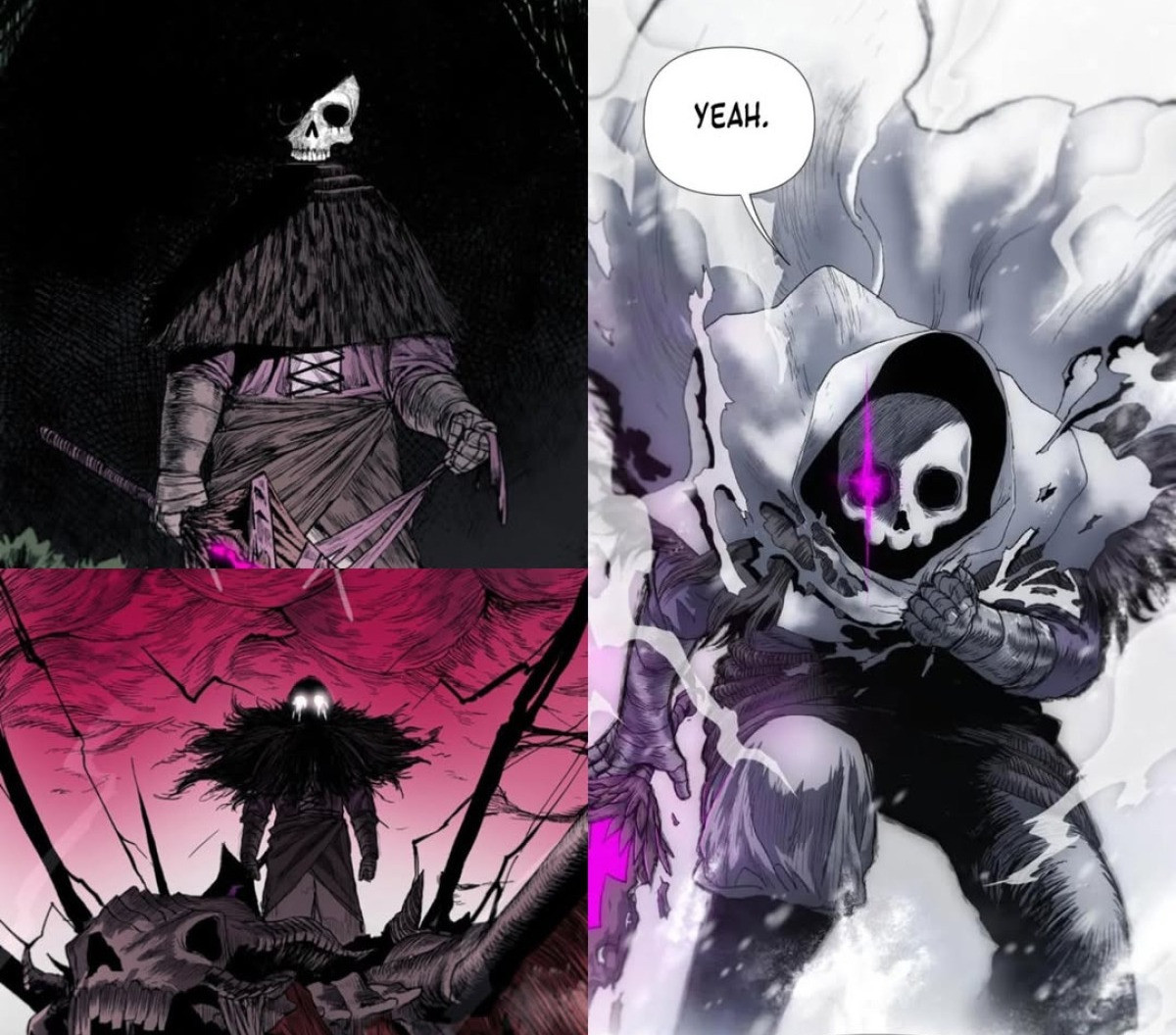
When a manhwa gets compared to Frieren: Beyond Journey's End but with a dark, bleak twist, expectations immediately rise. The Tale of the Skeleton Messenger, released on Webtoon in January 2026 by creators kain_y and SORAGAE, arrives with that exact premise and a tone that sets it apart from the increasingly crowded fantasy manhwa landscape. Most fantasy stories lean toward hopeful narratives where heroes overcome darkness through determination and friendship. Even dark fantasy typically offers glimmers of light and the possibility of triumph. The Tale of the Skeleton Messenger takes a different approach, embracing bleakness and melancholy in ways that feel refreshing rather than oppressive, thoughtful rather than nihilistic.
That is a really good point about Studio EEK. The disconnect between Korean source material and Japanese animation teams has caused problems before. Having a Korean studio handle this could genuinely result in a more faithful adaptation.
The designer-developer relationship has been tense for decades. Designers create pixel-perfect mockups in Figma. Developers translate them to code and somehow everything looks slightly wrong. Fonts don't match. Spacing is inconsistent. Buttons have different corner radiuses. Both sides get frustrated, blame each other, and the product suffers. V0 by Vercel is fixing this problem by generating production-quality React components that look exactly like the designs. The rebrand from v0.dev to v0.app in January 2026 signaled expanded ambitions beyond just UI component generation. Vercel positioned the tool for full-stack web development, though its core strength remains frontend excellence. That strategic clarity matters because trying to be everything often means excelling at nothing. V0 chose to dominate the handoff between design and code before expanding into other areas.
The fact that this started as a simple podcast transcription tool and evolved into a platform with Sora 2 generative video integration is honestly one of the better product evolution stories in creator tech.
The free tier having a Made in Bolt badge is a completely reasonable business decision and people complaining about it need to relax. You want free hosting and free AI generation and no attribution? That math doesn't work.
People keep framing this as no-code vs developers as if those are the only two options. The real story is that the feedback loop between idea and working product just compressed from months to hours.
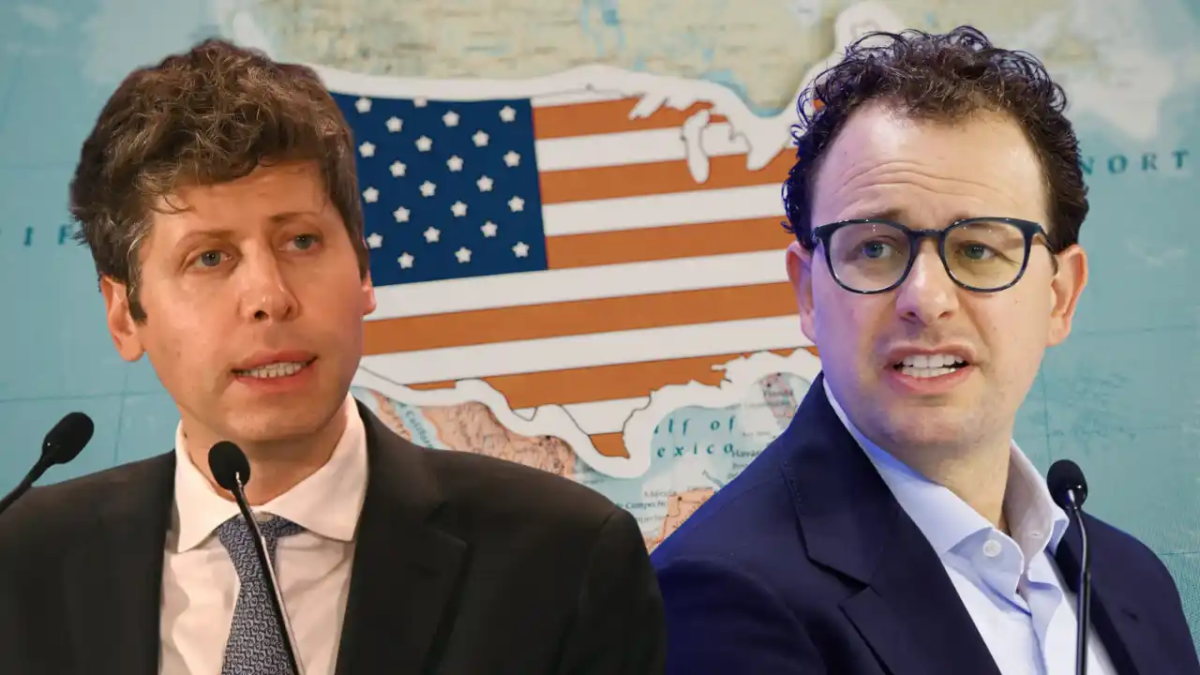
There's a photograph from February 2026 that pretty much sums up the state of AI right now. At the India AI Impact Summit in New Delhi, Indian Prime Minister Narendra Modi invited the world's tech leaders onstage for a group photo. Everyone held hands. Well, almost everyone. Sam Altman of OpenAI and Dario Amodei of Anthropic, standing right next to each other, refused to clasp hands and instead raised their fists separately. The internet, predictably, lost its mind. An awkward moment between OpenAI CEO Sam Altman and Anthropic CEO Dario Amodei at an AI Summit captured the increasingly icy relations between two rival tech leaders who started off as colleagues. That's not just petty drama. It's a window into what may be the most consequential corporate rivalry in the technology world right now, one that's playing out in boardrooms, courtrooms, Super Bowl ads, and billion-dollar compute deals all at once.
To the point above, 900 million users who are each generating about 25 dollars in average revenue per year versus Anthropic's enterprise contracts averaging 1 million plus per customer annually. Scale of users does not equal scale of sustainable revenue.
As someone in financial compliance, the Treasury AI Risk Management Framework that came out earlier this year suddenly looks a lot less theoretical. They were building the governance scaffolding right before the model that requires it arrived.
Muse Spark being the first in the Muse series with larger models already in development tells you the real bet is on what comes next, not this release. This is validation of the architecture, not the final destination.
I just got these same espadrilles and they're super comfy after breaking them in for about 2 days