That's a real challenge and I've seen this come up a lot. The general advice for rotating schedules is to anchor your eating window to whatever your current wake time is rather than a fixed clock time. It takes more mental effort but it's doable.
Sign up to see more
SignupAlready a member?
LoginBy continuing, you agree to Sociomix's Terms of Service, Privacy Policy
Sign up to see more
SignupAlready a member?
LoginBy continuing, you agree to Sociomix's Terms of Service, Privacy Policy

That's a real challenge and I've seen this come up a lot. The general advice for rotating schedules is to anchor your eating window to whatever your current wake time is rather than a fixed clock time. It takes more mental effort but it's doable.
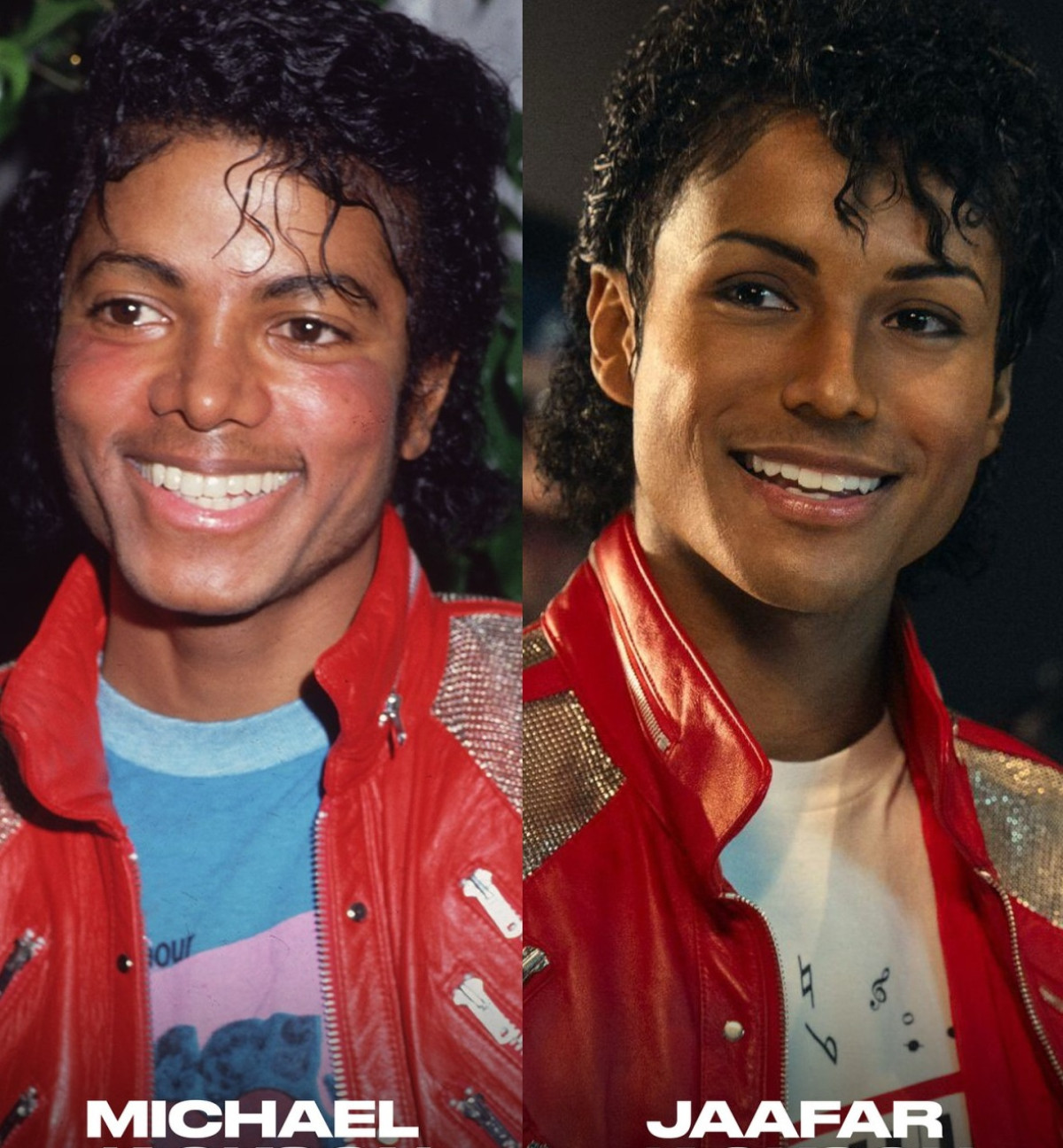
Jaafar Jackson plays Michael Jackson in the 2026 biopic Michael, and the story of how the 29-year-old newcomer landed the role is more interesting than the film itself. It started with a voice note. It involved a two-year global casting search with no formal auditions. It required Jaafar to keep the role secret from his own family for a full year. And it ended with his grandmother Katherine Jackson, the woman who knew Michael longest and loved him most, telling producers that her grandson didn't just resemble her son, he embodied him. After tracking every interview, behind-the-scenes video, and production report released since the film was announced, I can tell you that the choice of Jaafar was not nepotism, not a publicity play, and not the obvious pick everyone assumes it was. It was a hard-earned outcome of the most unusual casting process in recent biopic history, and here is how it actually happened.
Jahak keeping the displays in temperature-controlled environments is the detail that broke my brain a little. That level of preservation planning implies resources, patience, and a support system. This killer is not working alone and the series is going to go somewhere extremely dark with that.
The thing the article gets most right is that the educational content would reach broader audiences through animation. Seeing a building actually constructed in a montage hits differently than reading panels.
The supporting cast in this series is doing more emotional heavy lifting than most protagonists in competing titles. That detail about minor characters from single arcs getting real development is not an exaggeration.
In a medium filled with talented artists producing stunning work, making a claim about any series having the "best" art feels bold. Yet Nano Machine consistently delivers combat sequences so fluid, detailed, and visually innovative that even readers who don't typically care about martial arts stories find themselves captivated by the sheer spectacle on display. The series combines traditional murim aesthetics with futuristic sci-fi elements, creating a unique visual identity that stands apart from typical cultivation manhwa. The nano machine implanted in protagonist Cheon Yeo-Woon's body doesn't just give him power. It becomes a storytelling device that allows the artist to visualize techniques, energy flows, and combat analysis in ways other series can't replicate.
The webtoon medium is actually perfect for this type of story because the vertical scroll pacing lets you control exactly when reveals land in a way print pagination cannot replicate as precisely.
When Tomb Raider King first exploded onto the manhwa scene, it brought a fresh take on dungeon crawling stories by combining archaeological adventure with ruthless protagonist energy and a treasure-hunting premise that felt genuinely different from typical gate and dungeon narratives. The series built a dedicated fanbase through its satisfying blend of historical artifact powers, strategic relic acquisition, and a protagonist who wasn't afraid to be morally gray in pursuit of his goals. Now, with the anime adaptation confirmed for 2026 as one of the most anticipated manhwa-to-anime projects, Tomb Raider King is experiencing a resurgence. New readers are discovering the series while longtime fans eagerly await seeing Jooheon Suh's relic-hunting adventures brought to life with animation. The timing couldn't be better, as the series has built enough content to support a substantial adaptation while maintaining momentum in its ongoing storyline.
Something nobody is mentioning: the copyright lawsuits hanging over the entire AI video industry could reshape which tools are viable for commercial use. A benchmark lead means nothing if legal exposure makes clients unwilling to use AI-generated footage.
Nobody is talking about what happens to mid-tier videographers and on-camera talent in this scenario. The post celebrates efficiency but there are real livelihoods on the other side of that efficiency gain.
In a rare divergence from industry norms, TikTok has confirmed it will not adopt end-to-end encryption (E2EE) for direct messages, breaking with nearly every major social media platform and reigniting one of the tech industry's most contentious debates. The Chinese-owned video platform told the BBC exclusively that it believes the privacy technology championed by Meta, Apple, and others as essential for user protection actually makes users less safe by creating "dark spaces" where harmful content can flourish beyond the reach of safety teams and law enforcement. The decision puts TikTok in direct opposition to its competitors while potentially exposing the company to fresh criticism over data protection, particularly given ongoing concerns about its ties to Beijing.
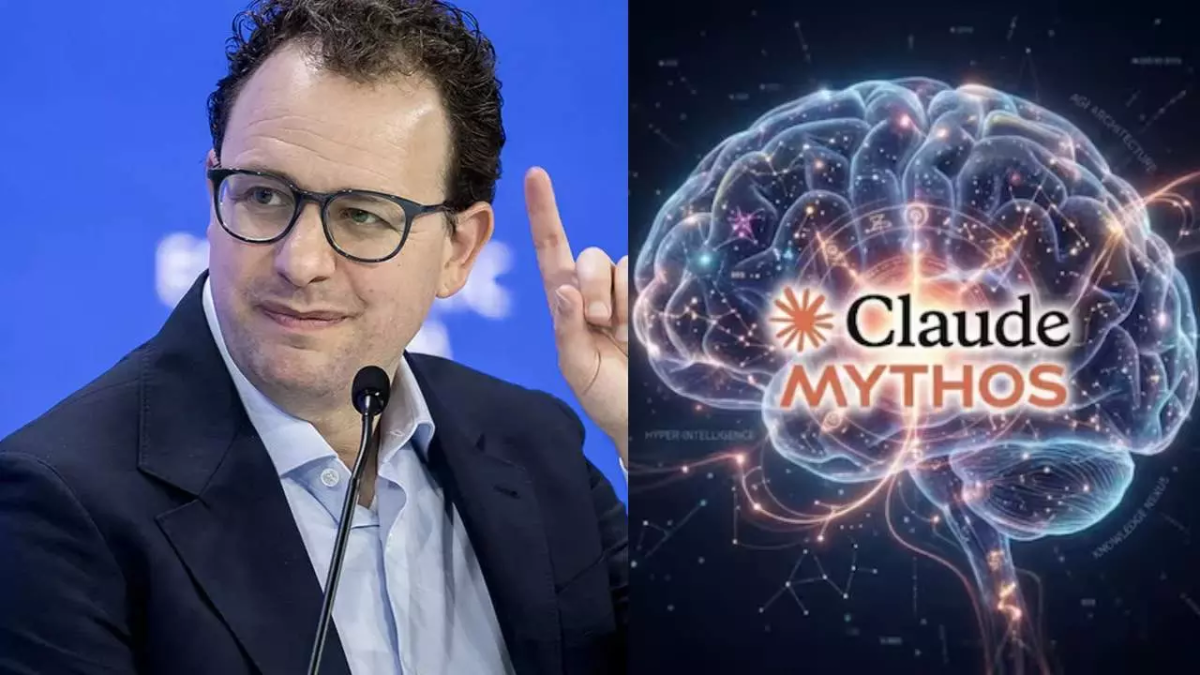
Anthropic on Tuesday unveiled an advanced artificial intelligence model designed specifically to identify software vulnerabilities, marking a significant development in the intersection of AI and cybersecurity. The model, named Claude Mythos Preview, will be available exclusively to a carefully selected group of companies as part of Project Glasswing, a new security initiative that aims to strengthen digital defenses while preventing malicious exploitation. The San Francisco based AI company has chosen to severely restrict access to Claude Mythos Preview due to its powerful capability to detect security weaknesses and software flaws. This decision reflects growing concerns about dual use AI technologies that could be weaponized by adversaries if they fell into the wrong hands.
Skeptical take: Anthropic is an AI research company, not a hardware company. Chip design requires a completely different organizational culture, incentive structure, and talent base. These things genuinely do not mix easily.
Could totally see this working for a creative office environment. Maybe swap the boots for loafers?
I'm obsessed with how the smokey eye complements the whole look without being too overpowering
Join independent creators, thought leaders, and storytellers to share your unique perspectives, and spark meaningful conversations.