It launched with 10 free chapters on April 14 and updates every Wednesday. New chapters after the initial batch will likely go into the Daily Pass rotation eventually, so I would catch up now while everything is accessible.
22
Sign up to see more
SignupAlready a member?
LoginBy continuing, you agree to Sociomix's Terms of Service, Privacy Policy

It launched with 10 free chapters on April 14 and updates every Wednesday. New chapters after the initial batch will likely go into the Daily Pass rotation eventually, so I would catch up now while everything is accessible.
Omniscient Reader's Viewpoint being listed fifth on a regression list still feels odd to me personally, not because it doesn't belong but because it transcends the genre entirely. It uses regression logic but operates on a completely different literary level.
The thing the article gets most right is that the educational content would reach broader audiences through animation. Seeing a building actually constructed in a montage hits differently than reading panels.
The year 2026 marks a pivotal moment in the evolution of manhwa as a medium. What started as a trickle of Korean comics receiving anime adaptations has become a flood, with at least fifteen confirmed projects bringing beloved manhwa to animated life. This explosive growth wasn't accidental but the inevitable result of Solo Leveling's massive success proving that manhwa adaptations can compete with traditional manga anime in quality, popularity, and profitability. Studios across Japan and Korea are investing heavily in manhwa properties, recognizing that Korean storytelling brings fresh perspectives, innovative premises, and built-in fanbases eager to see their favorite series animated. The diversity of genres receiving adaptations demonstrates that manhwa appeal extends far beyond action and fantasy into romance, psychological thriller, sports, and slice-of-life territories.

The market is genuinely oversaturated right now. For every Second Coming of Gluttony there are fifteen series where the protagonist goes back in time and immediately becomes the strongest person alive with zero interesting obstacles.
The part about Video Agents triggering automatically from data sources is either the best product idea in enterprise training or a completely unreviewed content liability waiting to happen. Probably both.
Tabs are unlimited even on the free plan. That alone makes Windsurf worth having installed even if you never pay for a subscription.
Does it handle legacy codebases well or is it mostly good at greenfield projects? That is the real test for enterprise adoption. Most companies have twenty-year-old systems they need to work with, not clean slates.
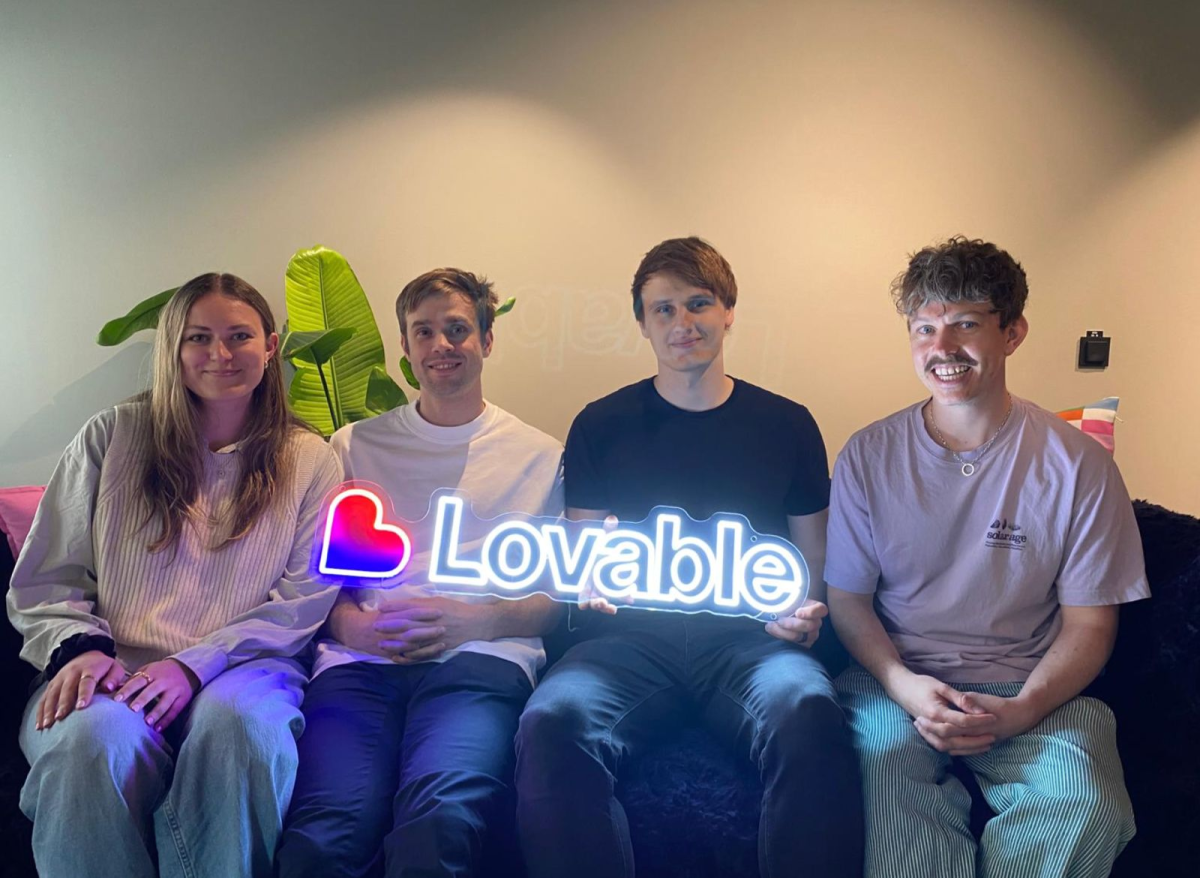
The software development world just witnessed something unprecedented. A European startup called Lovable reached $20 million in annual recurring revenue in just two months, making it potentially the fastest-growing startup in European history. But here's the twist that's making traditional software agencies nervous: they did it by giving non-technical founders the power to build full-stack applications without writing a single line of code. For years, the promise of no-code tools has been the same: anyone can build an app. But the reality has always been different. You'd create a beautiful frontend, get excited about your progress, and then hit the technical cliff. Suddenly you needed to configure databases, set up authentication, manage API keys, and deploy to servers. The "no-code" dream became a "hire-a-developer-anyway" nightmare.
The convergence of all these capabilities into one platform is what the article is really describing. Video generation, camera control, voice, lip sync, and collaboration in one subscription is a fundamentally different value proposition than standalone clip generators.
The GitHub sync is the feature that actually sold me. No platform lock-in means I can start fast and hand it off to a real dev team when the time comes. That is genuinely smart product design.
Genuinely curious, does anyone know if Anthropic's safety focus actually influences which enterprise customers choose them, or is it mostly just Claude Code being better at coding tasks? Because those are very different stories about why they're winning.
Speaking from experience running a software team, the thing about Claude Code generating 90% of its own codebase is both impressive and slightly concerning from a quality control perspective. At some point we need real data on defect rates in AI written production code at scale.
Honestly the article's framing of Codex integration with the broader ChatGPT ecosystem as an advantage is legitimate. If you are already using ChatGPT for documentation, research, and architecture planning, having Codex in the same interface reduces friction significantly.
Been using Claude Code for about five months now and honestly the context awareness across multi-file projects is in a different league. The fact that OpenAI felt pressure to release this tells you everything about where developer sentiment has shifted.
The $8 Go tier is interesting too and barely gets mentioned. There are a lot of developers who want occasional agentic help but do not need daily limits. That tier is smart market segmentation.
Wait, does the new $100 Pro tier include the extended context windows that the $200 tier has? The article says the $200 tier includes extended context across all ChatGPT capabilities not just Codex. If the $100 tier does not have that, the value prop gets complicated.
The idea that she could become some kind of creative ambassador for Piccioli's new Balenciaga era is fascinating. Her aesthetic and his new direction genuinely align.
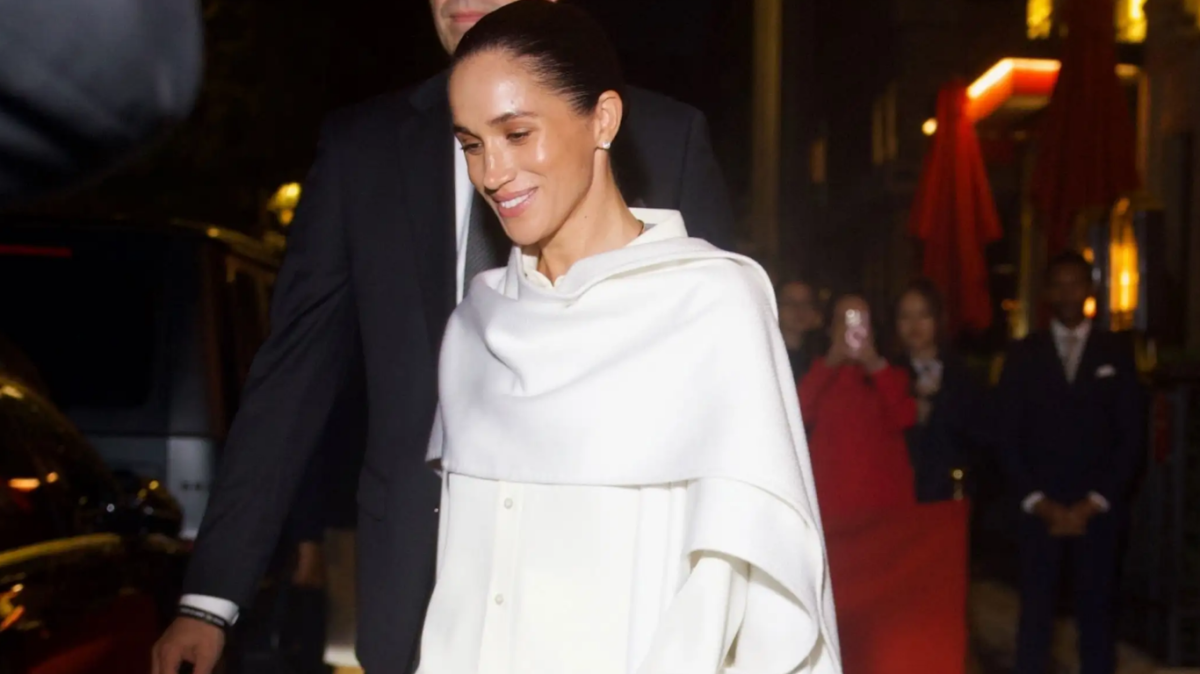
When you hear “Paris Fashion Week,” your mind races to haute couture, bold statements, and the world’s most glamorous attendees. But on October 4, 2025, the scene got a surprise guest—Meghan Markle, making what might be her most talked-about entrance yet. To call it a “debut” feels almost too neat, as if she’s stepping into a world she’s never touched. Yet, Meghan’s gradual evolution as a style influencer has been anything but accidental. Her Paris moment isn’t just celebrity spectacle; it’s a statement, a pivot, and a nuanced step into a new chapter. Here’s my take on why this matters.