Something nobody is saying loudly enough, chronic loneliness is one of the strongest predictors of cognitive decline and it costs nothing to fix except time and intentionality. No wearable closes that gap.
7
Sign up to see more
SignupAlready a member?
LoginBy continuing, you agree to Sociomix's Terms of Service, Privacy Policy

Something nobody is saying loudly enough, chronic loneliness is one of the strongest predictors of cognitive decline and it costs nothing to fix except time and intentionality. No wearable closes that gap.
For anyone who has been on the fence about starting manhwa, the current moment is genuinely the best possible time. More series are being adapted and localized than ever before and the quality ceiling keeps rising.
Tomb Raider King had its opening theme SHOW DOWN performed by QWER and honestly that collaboration alone is going to introduce the anime to an audience that was not going to find it otherwise.
The fact that both Tomb Raider King and Solo Leveling come from Redice Studio is either a sign of how talented that studio is or how much they have influenced what modern manhwa looks and feels like. Maybe both.
Sports anime and manga have delivered countless memorable series over the decades, from Slam Dunk's basketball brilliance to Haikyuu's volleyball excellence. These stories typically follow familiar patterns: talented but inexperienced protagonist joins a team, forms bonds with teammates, faces rivals, grows through competition, and ultimately pursues championship glory. The formula works because it taps into universal themes about effort, teamwork, and self-improvement. The Boxer, created by JH, takes everything you expect from sports stories and systematically deconstructs it. The protagonist doesn't love boxing. He doesn't form deep bonds with teammates. He doesn't overcome challenges through friendship and determination. Instead, the manhwa presents one of the darkest, most psychologically complex examinations of combat sports ever created, wrapped in stunningly minimalist artwork that elevates the narrative to something approaching high art.

Different genre indeed but also a completely different artistic project. Comparing Nano Machine and The Boxer is like comparing action cinema to slow literary drama. Both can be excellent without competing.
That distinction between social position and narrative position is the kind of thing this series seems built to explore. Elliot can move differently than a female protagonist but the story is still organized around his death. Freedom of movement within a predetermined ending.
Ten years before the invasion is the perfect window. Long enough to actually prepare, short enough that there's constant urgency.
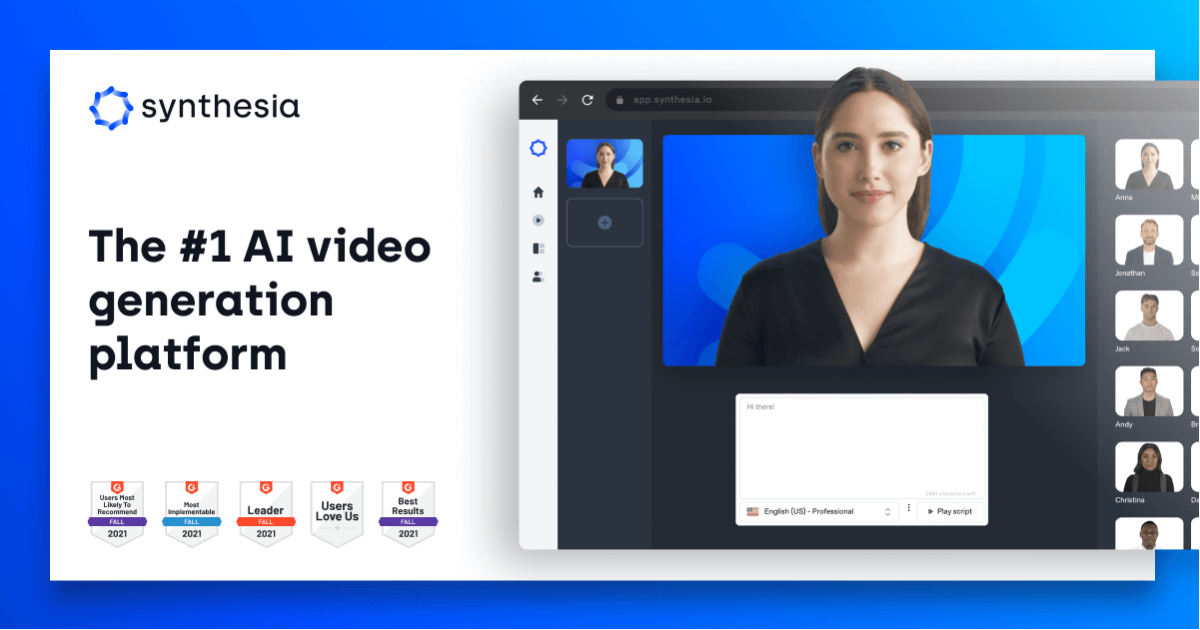
When a company raises $200 million in Series E funding during January 2026, investors are betting on more than potential. They're backing proven market demand and sustainable growth. Synthesia's funding round came alongside a 44% year-over-year increase in headcount to 706 employees, signaling aggressive expansion in a category the company essentially created: AI avatar-based video generation for enterprise training and communications. Corporate training videos have been expensive and slow to produce for decades. Recording a single 10-minute training module traditionally required booking a studio, hiring a presenter, scheduling a videographer, managing multiple takes, and editing everything together. If you needed to update information or translate content, you essentially started over. Synthesia eliminated this entire production workflow by replacing human presenters with AI avatars.
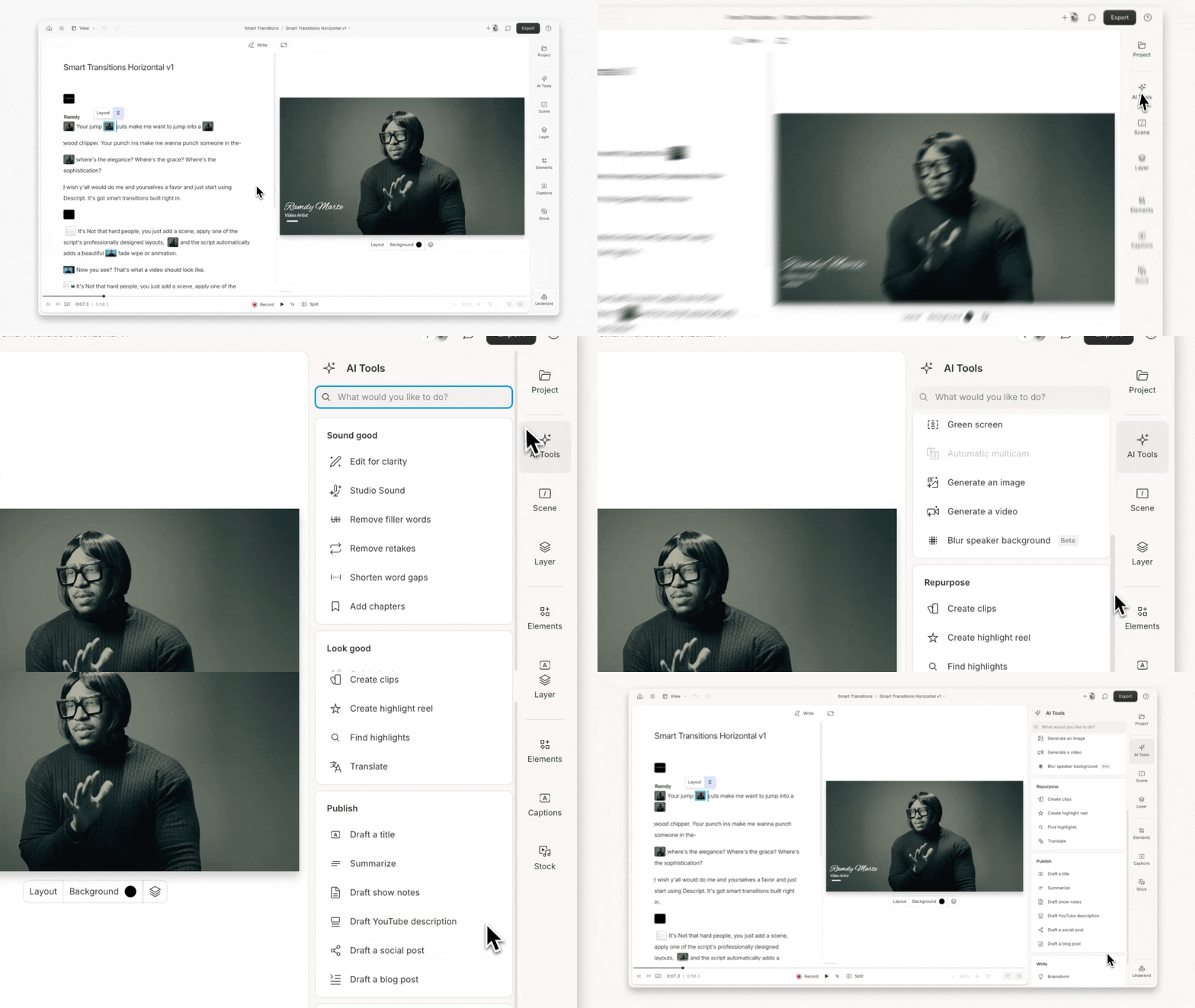
Most people can edit a Google Doc. Delete some words, rearrange sentences, fix typos, add paragraphs. It's intuitive and requires no special training. Now imagine editing video the same way. That's Descript's core innovation, and it transformed video editing from a specialized skill requiring expensive software into something anyone who can edit text can do effectively. Descript started as a transcription tool for podcasters. Record your podcast, upload it to Descript, and get an accurate transcript for show notes. But the founders realized something bigger. If you have a perfect transcript synchronized to audio, you can edit the audio by editing the text. Delete a word from the transcript and that word disappears from the audio. That insight became the foundation for a complete editing platform.
v0 now has over 6 million users. That number makes all the skepticism feel a little performative. Clearly something about the value proposition is landing in the real world.
OpenAI's enterprise revenue is now 40% of total and growing toward parity with consumer by end of 2026, while Anthropic is already at 80% enterprise. OpenAI is essentially trying to become more like Anthropic in revenue mix while Anthropic tries to become more like OpenAI in scale. They're converging.
The software development world just witnessed something unprecedented. A European startup called Lovable reached $20 million in annual recurring revenue in just two months, making it potentially the fastest-growing startup in European history. But here's the twist that's making traditional software agencies nervous: they did it by giving non-technical founders the power to build full-stack applications without writing a single line of code. For years, the promise of no-code tools has been the same: anyone can build an app. But the reality has always been different. You'd create a beautiful frontend, get excited about your progress, and then hit the technical cliff. Suddenly you needed to configure databases, set up authentication, manage API keys, and deploy to servers. The "no-code" dream became a "hire-a-developer-anyway" nightmare.
While Synthesia leads in revenue, HeyGen leads in customer acquisition momentum with 152% year-over-year growth in mid-market adoption. That explosive growth rate allowed HeyGen to close much of the customer count gap by late 2025. The company is winning by making avatar video accessible to smaller teams and individual creators who cannot afford enterprise contracts but need professional video capabilities. HeyGen positioned itself for small and medium businesses, marketing teams, content creators, and solo entrepreneurs rather than enterprise learning and development departments. This market segment values affordability, ease of use, and creative flexibility over governance features and advanced integrations. Average contract values are roughly one-third of Synthesia's, reflecting this different customer profile.

As a software developer I have complicated feelings about this. On one hand it could meaningfully improve the security of code I ship. On the other hand the same capability that patches my code can be used to attack systems I depend on if it ever escapes the restricted group.
At this point Meta rolling out safety features feels like a company that finally realized the cost of not doing it exceeded the cost of doing it. The New Mexico and California verdicts changed the math.
In a rare divergence from industry norms, TikTok has confirmed it will not adopt end-to-end encryption (E2EE) for direct messages, breaking with nearly every major social media platform and reigniting one of the tech industry's most contentious debates. The Chinese-owned video platform told the BBC exclusively that it believes the privacy technology championed by Meta, Apple, and others as essential for user protection actually makes users less safe by creating "dark spaces" where harmful content can flourish beyond the reach of safety teams and law enforcement. The decision puts TikTok in direct opposition to its competitors while potentially exposing the company to fresh criticism over data protection, particularly given ongoing concerns about its ties to Beijing.
OpenAI's latest subscription offering represents its most aggressive move yet to reclaim market share in the rapidly expanding AI-powered coding assistant sector
Has anyone tried this dress in other colors? I love the style but red isn't really my thing