
Had something similar happen when I started having plain kefir with my morning oats instead of as a late snack. Digestion smoothed out noticeably within two weeks. Could be placebo but it tracked with the logic.
18
Sign up to see more
SignupAlready a member?
LoginBy continuing, you agree to Sociomix's Terms of Service, Privacy Policy

Had something similar happen when I started having plain kefir with my morning oats instead of as a late snack. Digestion smoothed out noticeably within two weeks. Could be placebo but it tracked with the logic.
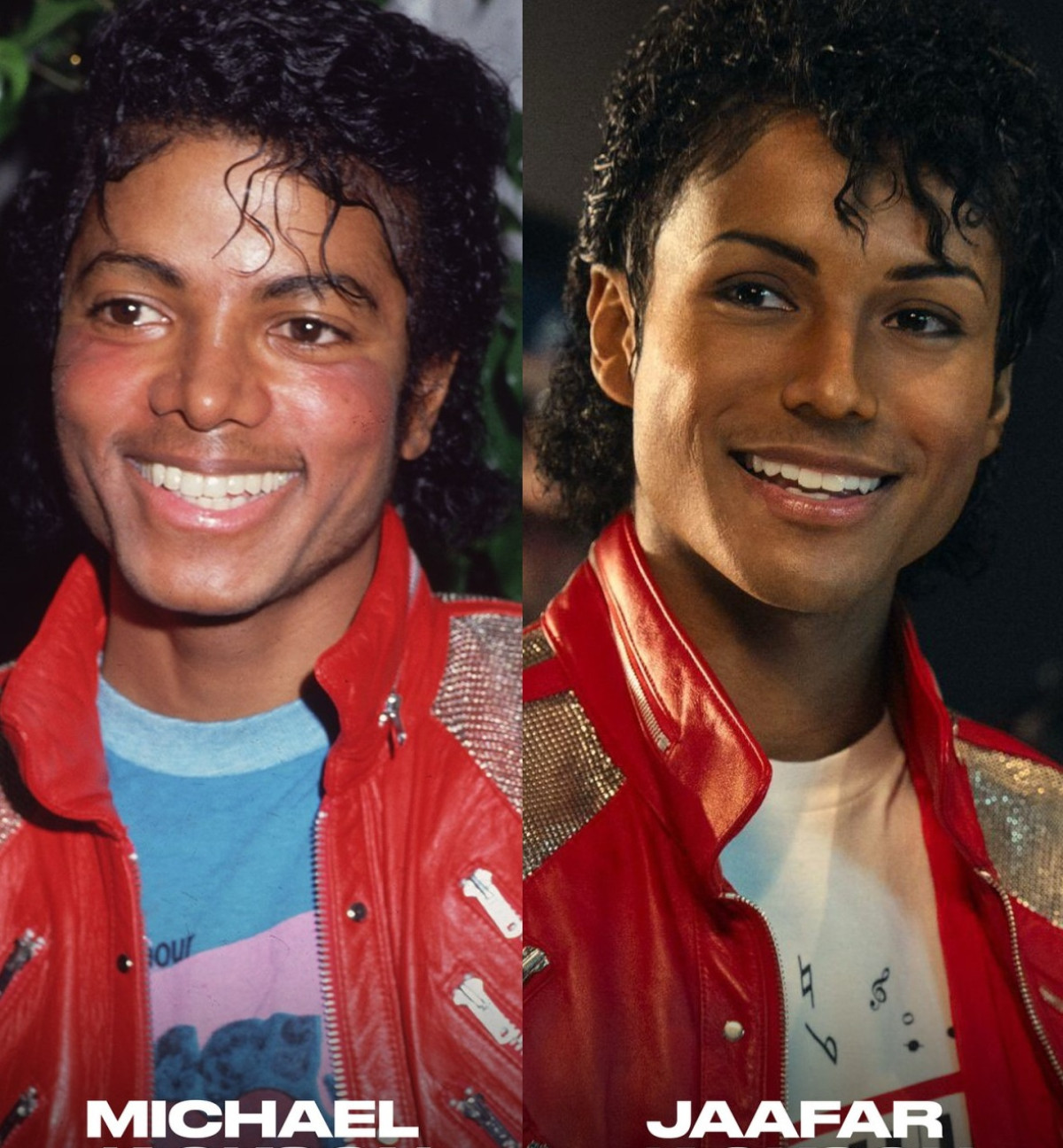
Jaafar Jackson plays Michael Jackson in the 2026 biopic Michael, and the story of how the 29-year-old newcomer landed the role is more interesting than the film itself. It started with a voice note. It involved a two-year global casting search with no formal auditions. It required Jaafar to keep the role secret from his own family for a full year. And it ended with his grandmother Katherine Jackson, the woman who knew Michael longest and loved him most, telling producers that her grandson didn't just resemble her son, he embodied him. After tracking every interview, behind-the-scenes video, and production report released since the film was announced, I can tell you that the choice of Jaafar was not nepotism, not a publicity play, and not the obvious pick everyone assumes it was. It was a hard-earned outcome of the most unusual casting process in recent biopic history, and here is how it actually happened.
Honestly the post undersells how funny some of the Suchan moments are. His specific brand of indignant outrage about the plagiarism has dark comedy energy that keeps the series from becoming oppressively grim.
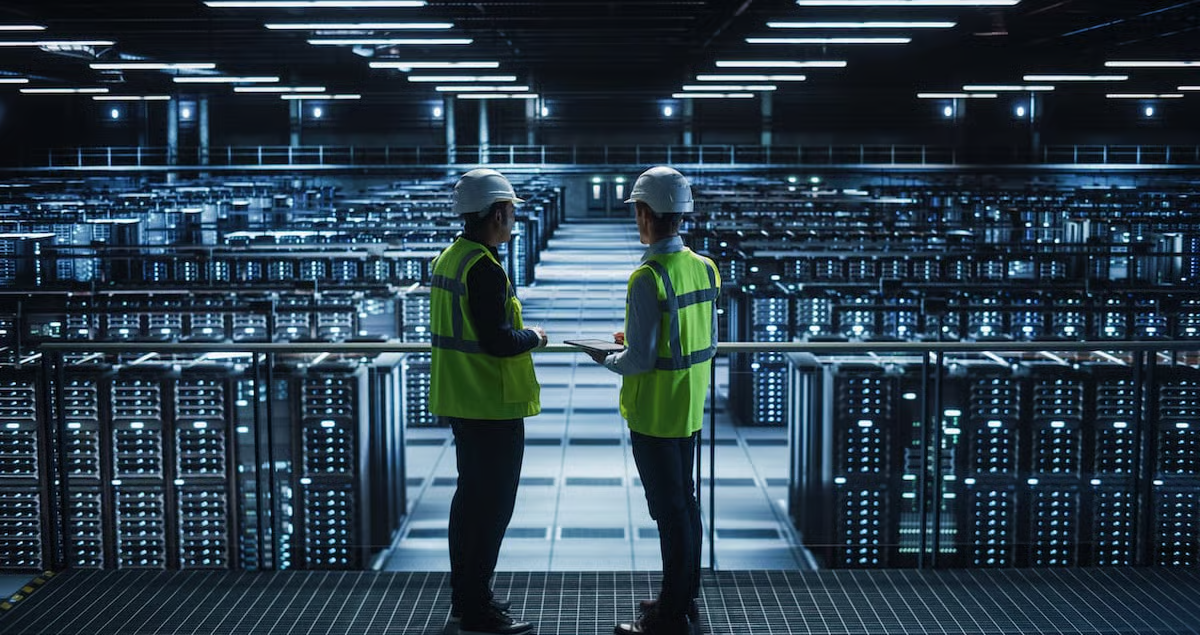
The technology sector is experiencing a paradox. While headlines scream about mass layoffs at major tech companies, a critical shortage is quietly building in one of the most essential areas of digital infrastructure. Datacenters, the physical backbone of our digital world, are facing an unprecedented demand surge, and there simply are not enough skilled professionals to build and maintain them. Countries across the globe are rushing to establish their own datacenter infrastructure. From India's ambitious plans to become a datacenter hub to the European Union's push for data sovereignty, and emerging markets in Southeast Asia and Latin America building their first large scale facilities, the construction boom is just beginning.
Making a claim about any single series having the absolute best anything in a medium this large and varied is going to invite pushback and it should. Nano Machine is exceptional. Best ever is a stretch.
The holographic interface the nano machine uses during fights is genuinely one of the most clever visual storytelling devices in any action comic right now, not just manhwa.
The BL manhwa market has genuinely exploded recently and search interest hit an all time high around January 2026, so this series dropped at a moment when reader appetite for new quality entries is at its peak. Good timing for a series with this much ambition.
Is it worth reading the manhwa now or should I just wait for the anime? Genuinely torn because I do not want to spoil myself but also two years of waiting feels rough.
Dungeon Reset doing heavy comedy in a genre that takes itself extremely seriously is the right creative call and more system manhwa authors should be brave enough to try it.
The multilingual feature is being wildly undersold. Course creators charging the same price to Spanish and Portuguese speakers as English speakers, for content they generated in twenty minutes? That is a real arbitrage that changes creator economics.
While Synthesia leads in revenue, HeyGen leads in customer acquisition momentum with 152% year-over-year growth in mid-market adoption. That explosive growth rate allowed HeyGen to close much of the customer count gap by late 2025. The company is winning by making avatar video accessible to smaller teams and individual creators who cannot afford enterprise contracts but need professional video capabilities. HeyGen positioned itself for small and medium businesses, marketing teams, content creators, and solo entrepreneurs rather than enterprise learning and development departments. This market segment values affordability, ease of use, and creative flexibility over governance features and advanced integrations. Average contract values are roughly one-third of Synthesia's, reflecting this different customer profile.

Honestly the shadcn community was already one of the best things happening in frontend tooling before v0. Combining those components with AI generation feels like a natural evolution that someone was always going to build.
Developers have a new anxiety in 2026: token anxiety. You're in the middle of debugging a complex problem, the AI is helping you refactor three files simultaneously, and suddenly you wonder if this session is about to cost you $50. That mental tax slows you down and makes you second-guess using the tool you're paying for. Windsurf eliminated that anxiety with a simple decision: flat monthly pricing with no token limits. Fifteen dollars per month. Unlimited usage. No tracking credits or calculating costs per query. That pricing model sounds almost boring compared to the complex token systems other AI coding tools use, but boring is exactly what professional developers want when it comes to pricing. They want predictable costs and unlimited usage so they can focus on writing code instead of budgeting AI queries.
The designer-developer relationship has been tense for decades. Designers create pixel-perfect mockups in Figma. Developers translate them to code and somehow everything looks slightly wrong. Fonts don't match. Spacing is inconsistent. Buttons have different corner radiuses. Both sides get frustrated, blame each other, and the product suffers. V0 by Vercel is fixing this problem by generating production-quality React components that look exactly like the designs. The rebrand from v0.dev to v0.app in January 2026 signaled expanded ambitions beyond just UI component generation. Vercel positioned the tool for full-stack web development, though its core strength remains frontend excellence. That strategic clarity matters because trying to be everything often means excelling at nothing. V0 chose to dominate the handoff between design and code before expanding into other areas.

As a software developer I have complicated feelings about this. On one hand it could meaningfully improve the security of code I ship. On the other hand the same capability that patches my code can be used to attack systems I depend on if it ever escapes the restricted group.
That is what I thought too until my teenager told me she uses TikTok DMs constantly to talk to her friends about personal stuff. Kids absolutely use this for real conversations.
The Bitcoin halving earlier in the year reduced new supply issuance, and now you have demand spikes from institutional ETF buying and a short squeeze on top. The supply-demand math is just not friendly to bears right now.
Speaking from experience in cloud infrastructure, the real value of custom chips often shows up in ways that are hard to measure from outside. Things like tighter integration with networking fabric, better memory bandwidth utilization for specific workloads, and reduced licensing overhead can add up.
Wait, what about the software stack that has to run on whatever custom chip Anthropic might build? Designing the silicon is only half the problem. You need compilers, kernel libraries, debugging tools, and a whole ecosystem before engineers can actually use the thing productively.
My concern would be the white jeans in a restaurant setting. Maybe black jeans would be more practical?