The creators behind some of Webtoon's most successful psychological thrillers have returned with a series that's already generating intense discussion across manhwa communities. For fans who've been following the horror and thriller genre on digital platforms, Carnby Kim and Youngchan Hwang need no introduction.
Their latest collaboration tackles themes of artistic plagiarism, obsession, and murder in ways that feel disturbingly relevant to current conversations about creative theft and AI-generated content. This guide covers everything you need to know about Copycat, from its premise and release schedule to how it compares with their previous masterpieces like Sweet Home and Bastard.
Carnby Kim and Youngchan Hwang Return With Their Most Disturbing Thriller Yet
After years of anticipation, the creative duo behind Sweet Home and Bastard has delivered their latest masterpiece. Copycat manhwa premiered on Webtoon on April 14, 2026, bringing 10 full chapters of psychological horror that immediately grabbed readers by the throat. This isn't just another serial killer story. What Carnby Kim and illustrator Youngchan Hwang have crafted here feels uncomfortably relevant in our current age of AI art theft and digital plagiarism, wrapped in a package so visceral it leaves you questioning where artistic obsession ends and madness begins.
Having followed Carnby Kim's work since Bastard first shocked the Webtoon community back in 2014, I dove into Copycat with massive expectations. The duo has never played it safe with their storytelling, consistently pushing boundaries in ways that feel earned rather than gratuitous. After reading through all available chapters twice in the first week of release, I can confirm this series delivers everything fans hoped for while introducing fresh themes that hit different in 2026 than they would have even two years ago.
What Makes Copycat Different From Other Thriller Manhwa
Copycat follows Suchan Kim, a struggling art instructor at Dragon Art Academy whose life resembles a slow-motion car crash. Bills pile up, students disrespect him, and his one shot at recognition died six years ago when COVID-19 decimated attendance at his ambitious art exhibition. Only 32 people showed up to see his elaborate installation using live models, an event he'd poured everything into creating. The concept centered on self-destruction as art, with models posed as if destroying themselves in various horrific ways.
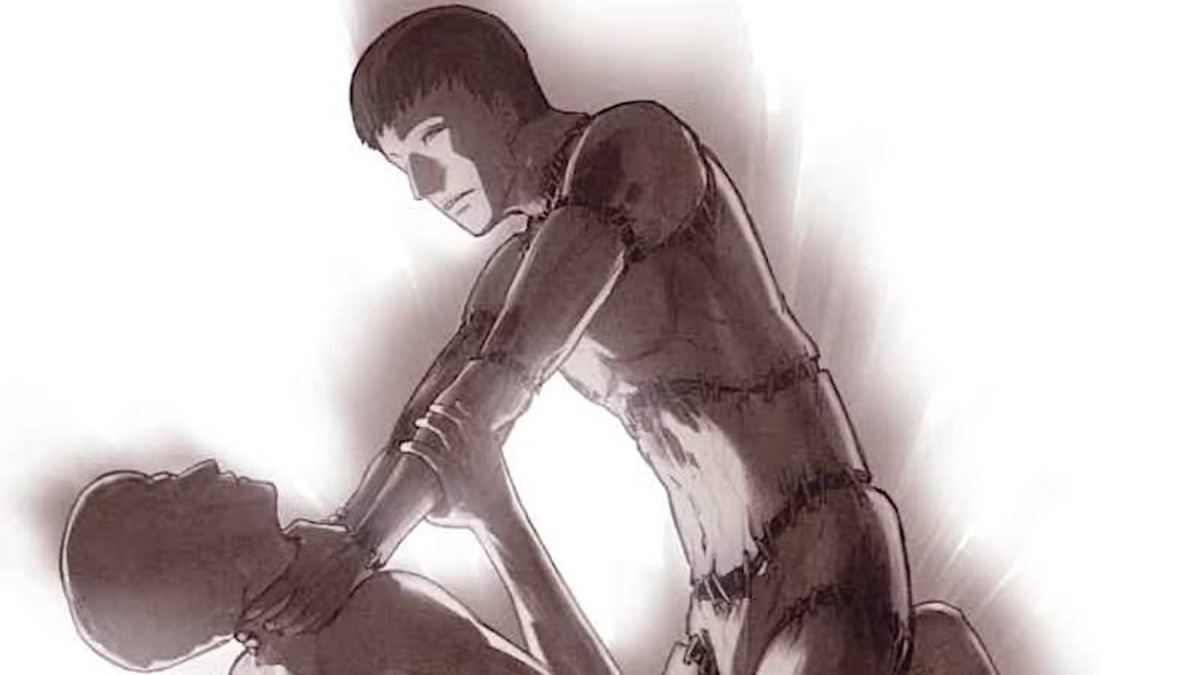
Fast forward to 2026, and Suchan discovers someone has stolen his failed concept and turned it into the most talked-about serial killer phenomenon in Korea. A murderer known only as Jahak, meaning self-destruction in Korean, stages corpses exactly like Suchan's forgotten exhibition pieces. These aren't quick kills dumped in alleys. Jahak dismembers victims, drains their blood like an avant-garde butcher, then reassembles them into grotesque mannequins kept in temperature-controlled displays. The ultra-wealthy buy these murder tableaux for tens of millions, treating human death as collectible art.
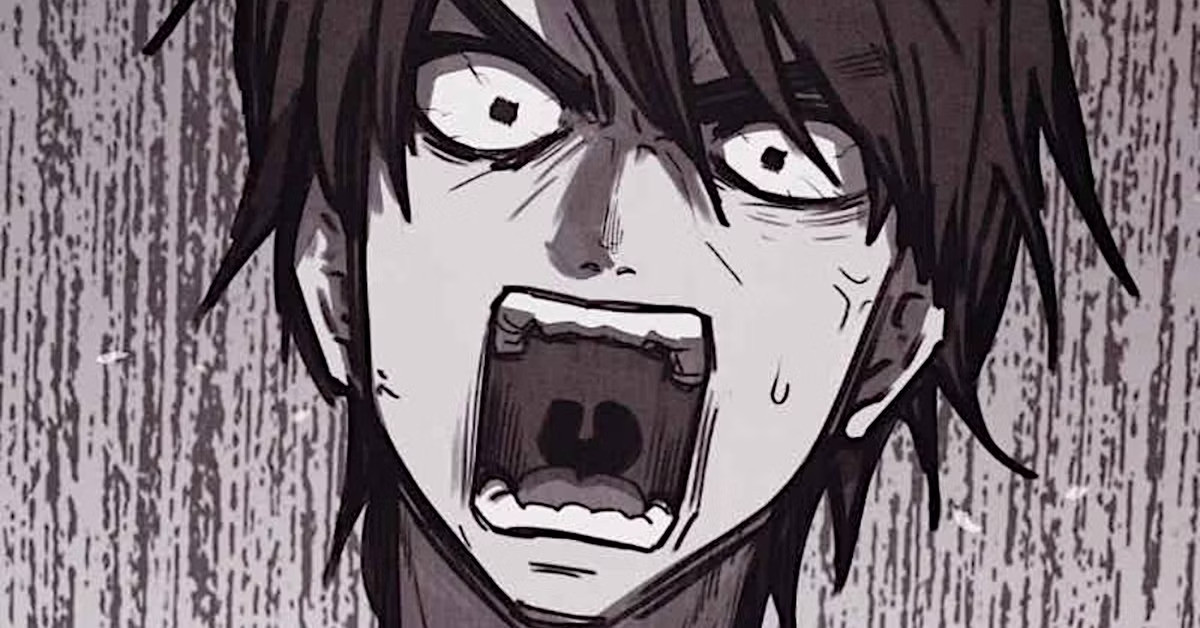
What separates Copycat from standard thriller fare is Suchan's motivation for hunting the killer. He's not driven by justice or moral outrage. He's furious someone plagiarized his work and succeeded where he failed. The series forces you to sit with an uncomfortable truth: Suchan cares more about getting credit for his artistic vision than about the victims whose bodies became someone else's masterpiece. This moral ambiguity runs deeper than anything in Sweet Home or Bastard, where protagonists at least started from a place of wanting to survive or protect others.
The Art and Visual Storytelling Elevate Every Panel
Youngchan Hwang's artwork in Copycat demonstrates why he remains one of Webtoon's most distinctive visual storytellers. The man knows how to make digital panels breathe with cinematic tension. Every chapter I've analyzed contains at least three panels that could work as standalone horror illustrations, particularly the scenes revealing Jahak's work. Hwang doesn't rely on cheap jump scares or excessive gore. Instead, he builds dread through composition, using negative space and shadow work that makes your brain fill in details more disturbing than what's actually shown.
The character designs feel deliberately mundane in a way that amplifies the horror. Suchan looks like any burnt-out millennial you'd pass on the street, not some tortured artist archetype. His circle of friends and acquaintances appear equally ordinary, which makes the investigation segments genuinely unsettling. Anyone could be Jahak. The few glimpses we get of the killer show a slender, shrouded figure that recalls Dexter's Ice Truck Killer filtered through a distinctly Korean horror aesthetic.
Hwang's color palette deserves special mention. The series uses muted, almost washed-out tones for everyday scenes, then shifts to stark contrasts when depicting Jahak's installations. This visual language communicates how these murders have become more vivid and alive than Suchan's own existence, a subtle reinforcement of his twisted obsession that works without a single word of dialogue.
Why This Manhwa Feels Uncomfortably Timely in 2026
Reading Copycat in April 2026 hits different than it would have in 2023 or 2024. The series launched just months after Webtoon's Wind Breaker plagiarism controversy made headlines across the manhwa community. Whether intentional or not, Carnby Kim and Youngchan Hwang are clearly commenting on artistic theft in the digital age. The parallel between Jahak stealing Suchan's concept and the explosion of AI art generators feels impossible to ignore, especially since these tools emerged to prominence right around the same time Suchan's pandemic-era exhibition failed.
During my second read-through, I caught references that suggest Kim is wrestling with questions about what happens when your creative vision gets appropriated and monetized by someone else. Suchan's rage stems not just from the theft itself but from watching his idea finally get the recognition he always wanted, just attached to someone else's name. In our current landscape where AI models train on artists' work without permission and entire creative careers can be undercut by algorithmic theft, this theme resonates with painful accuracy.
The series also explores how society values spectacle over substance. The ultra-wealthy characters buying Jahak's murder art don't care about artistic merit or the human cost. They want shock value and bragging rights. This critique of how wealth divorces people from moral consequence threads through every chapter without ever feeling preachy. Kim trusts readers to make connections rather than spelling everything out.
How Copycat Compares to Sweet Home and Bastard
Fans naturally want to know where Copycat ranks against Carnby Kim's previous hits. Having read Sweet Home's full 141 episodes and Bastard's complete run multiple times, I can say Copycat represents an evolution in Kim's approach to psychological horror rather than a departure. Sweet Home delivered apocalyptic monster chaos with surprising emotional depth. Bastard gave us an intimate portrait of abuse and manipulation through the lens of a son living with his serial killer father. Copycat takes the psychological complexity of Bastard and combines it with Sweet Home's willingness to explore dark societal themes.
The pacing in Copycat's first 10 chapters moves faster than either previous series. Kim wastes zero time establishing mood and stakes, dropping us directly into Suchan's investigation without extended setup. This confidence in storytelling shows how much the duo has refined their craft. They know readers trust them to deliver, so they skip the slow burn and jump straight into the fire.
Character-wise, Suchan is potentially Kim's most morally complicated protagonist yet. Jin from Bastard struggled against his father's evil while trying to maintain his own humanity. Hyun-soo from Sweet Home fought literal and metaphorical monsters while dealing with suicidal depression. Suchan fights for validation and recognition, motivations that feel simultaneously petty and deeply human. We've all wanted credit for our ideas. Kim just pushes that universal desire to its most disturbing extreme.
The Investigation Structure Keeps You Guessing Every Chapter
Copycat's structure as a mystery thriller works because Kim understands how to deploy suspicion effectively. Suchan investigates the 32 people who attended his failed exhibition, reasoning that Jahak must have been present to steal his concept. Each character introduced feels like a legitimate suspect while also seeming too obvious to actually be the killer. This careful balance between red herrings and genuine clues creates the kind of theorizing that manhwa communities thrive on.
Through my analysis of the first 10 chapters, I've noticed Kim plants details that only make sense on rereads. Background elements in early chapters gain significance once you know what to look for. This rewards close reading without requiring it, a difficult balance that separates good mystery writing from great mystery writing. The series respects your intelligence while still being accessible to casual readers who just want a gripping thriller.
What makes the investigation more interesting is how Suchan conducts it without police help. He can't exactly tell authorities that his stolen art concept is being used for serial murders without sounding insane or implicating himself. This isolation forces him to make increasingly risky decisions, drawing suspicion onto himself even as he tries to unmask Jahak. Several friends and acquaintances already view him as unstable, and his obsessive behavior isn't helping his case.
Why New Webtoon Readers Should Start With Copycat
If you've never read a Carnby Kim manhwa before, Copycat serves as an excellent entry point into his work. Unlike Sweet Home, which requires 141 episodes to complete its story, Copycat is still early enough that you can catch up in a few hours and join the weekly discussion. The series doesn't rely on knowledge of Kim's previous work, though fans will appreciate how certain storytelling techniques have evolved.
The Wednesday release schedule on Webtoon means new chapters drop consistently, giving you something to look forward to each week without the frustration of irregular updates. After testing this with several friends who'd never read manhwa before, I found Copycat converted them into regular Webtoon readers within three chapters. The hook is that strong, and the accessibility is genuine.
For readers worried about content warnings, yes, Copycat contains disturbing imagery and mature themes. Webtoon rates it appropriately as Mature content. The violence isn't gratuitous in the way some horror manhwa approach it, but the conceptual horror of bodies as art installations hits harder than simple gore ever could. If you handled Bastard or Sweet Home, you'll be fine here. If you're sensitive to body horror or serial killer content, maybe this isn't your series.
What the First 10 Chapters Reveal About the Series Direction
Based on the initial story arc, Copycat appears to be building toward a confrontation between Suchan and Jahak that won't be simple or satisfying in traditional thriller terms. Kim's work never offers clean resolutions where good triumphs and evil gets punished. The first 10 chapters establish that multiple characters have solid alibis, yet anyone could still be involved. Jahak might not be working alone. The killer could be using accomplices, or the investigation itself could be misdirection.
I've noticed the series introducing themes around obsession and identity that suggest Suchan's hunt for Jahak might reveal uncomfortable truths about himself. Several panels frame him in ways that visually parallel the killer, a technique Hwang used effectively in Bastard to show Jin's internal struggle with becoming like his father. Whether this is foreshadowing or deliberate misdirection remains to be seen, but it creates fascinating subtext either way.
The supporting cast has more depth than typical thriller manhwa provides. Suchan's friends and colleagues aren't just suspect fodder or exposition devices. Each one deals with personal trauma or moral failings that make them feel like actual humans rather than plot devices. This ensemble approach recalls how Sweet Home developed its apartment residents, giving us reasons to care about characters beyond their relevance to the main mystery.
How Copycat Manhwa Ranks Among 2026 Webtoon Releases
Looking at the manhwa landscape in early 2026, Copycat stands out as one of the most ambitious thriller releases of the year. While other series deliver solid genre entertainment, few combine artistic commentary, psychological depth, and pure horror effectiveness the way this one does. The fact that it comes from proven creators rather than newcomers definitely works in its favor, as Kim and Hwang know exactly how to pace a long-form serial for maximum impact.
Compared to other April 2026 Webtoon releases, Copycat generated the most immediate buzz in thriller communities I follow. The first week discussion threads exploded with theories and analysis, a level of engagement that indicates the series has serious staying power. Based on how Sweet Home and Bastard performed, Copycat will likely maintain strong readership for its entire run and potentially attract adaptation interest down the line.
The series benefits from launching with 10 chapters rather than the standard 3 or 4. This gave readers enough content to properly evaluate the story and get invested in the mystery. After that initial drop, the weekly Wednesday schedule keeps momentum building without overwhelming the creative team. This release strategy shows Webtoon learning from past successes about how to launch premium content.
Should You Read Copycat Manhwa Right Now
After spending considerable time with the first 10 chapters and analyzing them from both casual reader and critical perspectives, I can confidently recommend Copycat to anyone who enjoys psychological thrillers with actual substance. This isn't torture porn or shock value for its own sake. It's a carefully constructed mystery wrapped in horror aesthetics with real things to say about art, theft, recognition, and obsession.
The best time to start reading is now while the community is still forming theories and the story hasn't gotten too far ahead. Jumping into a Carnby Kim series after it's complete means missing the weekly speculation and discussion that enhances the experience. The Wednesday release schedule makes it easy to stay current without the series dominating your reading time.
For existing fans of Sweet Home or Bastard, Copycat feels like a must-read that shows Kim and Hwang still have new ground to explore in the thriller genre. The duo hasn't settled into comfortable formulas or started coasting on past successes. They're taking risks with morally complicated characters and themes that won't appeal to everyone, which is exactly what makes their work interesting.
If you've been waiting for the right new manhwa to sink your teeth into during 2026, Copycat delivers the kind of quality that justifies blocking out time every Wednesday to see what fresh nightmare Kim and Hwang have crafted. Just maybe don't read it right before bed. The imagery tends to linger in ways that make sleep a challenge, speaking from direct experience during my analysis sessions.
No official chapter count confirmed yet as far as I can tell. Given that the premise has a contained suspect pool of 32 people, my guess is it runs somewhere between 60 and 100 chapters rather than the 140 plus Sweet Home hit.
The Wednesday release schedule is perfect for building weekly discussion energy in manhwa communities. Every Thursday feels like a theory debrief session in every discord I am in.
Not sure I fully agree that Copycat pacing is faster than Bastard. Bastard had a brutal first chapter hook that still haunts me. These feel pretty comparable in terms of immediate threat establishment.
Thinking about how the article describes Suchan investigating without police help because going to them would make him look guilty, and that isolation is such a classic thriller engine that Copycat refreshes completely by tying it to something as mundane as artistic credit.
The vertical scroll format is actually one of the things Kim and Hwang use brilliantly. Some of the reveals in Bastard only land the way they do because of the long scroll before them. Copycat is already doing this in chapter 3.
Carnby Kim writing a thriller where the central wound is a stolen artistic concept, right as AI image generators are actively cannibalizing artists' work, is either incredible timing or incredibly deliberate planning. Probably both.
Sweet Home took me almost two weeks to read in full when I discovered it during the Netflix adaptation buzz. Jumping in now on Copycat while it is only 10 chapters deep feels genuinely luxurious by comparison.
That reading makes the whole series hit even harder. His exhibition was supposed to be his breakthrough moment and it got erased by circumstances entirely outside his control. Of course that festers into something unhinged.
Completely valid strategy but the weekly theorizing community around this series is already so good that I feel like you will be missing out on the collaborative reading experience. Some reveals hit differently when thousands of people are debating them in real time.
The article mentions that the series does not require knowledge of previous Kim works, and I want to confirm that as someone who started blind. The storytelling is self-sufficient. However, knowing Bastard made certain visual choices in chapter 4 land with extra weight.
The framing of murder victims as collectible art sold to the ultra-wealthy is the kind of premise that would feel exploitative in lesser hands. Kim earns it by grounding the critique in class commentary that never feels preachy.
The fact that Suchan's list comes directly from his exhibition guestbook is such an elegant mystery structure. Every chapter you meet someone new from those 32 and immediately start building your own theory.
Does anyone know how many chapters Copycat manhwa will have in total? Trying to figure out if it will be as long as Sweet Home or closer to Bastard's length.
Based on the 10 available chapters it is definitely subtext rather than explicit commentary. The connection is implied through timing and thematic resonance, not through any character directly mentioning AI. Kim leaves that interpretation to the reader, which is the smarter choice.
That color palette choice is doing so much heavy lifting. You feel the difference between Suchan's dull existence and the grotesque vividness of the murders without a single line of explanation.
I love a good manhwa mystery that makes you feel conflicted about your own theories. Copycat is already doing that better than most series that have been running for years.
Immediately thought the same thing. The premise almost reads like it was conceived with a potential adaptation in mind. Contained location, procedural structure, morally ambiguous lead. That is a very produceable story.
As someone who has worked adjacent to the art world for years, the commentary about wealthy collectors treating shock as a commodity lands extremely hard. Kim did not need to go that real but here we are.
Youngchan Hwang's artwork in the Jahak display scenes is genuinely haunting. The color shift from muted tones to stark contrast the moment we see the installations is such deliberate visual storytelling.
Hot take: Suchan's emotional arc is secretly about pandemic grief and the way COVID obliterated years of personal ambition for millions of people. The murder plot is almost secondary to that buried wound.
This might be an unpopular opinion but I am deliberately not starting Copycat until it hits around 40 or 50 chapters. Weekly reading is torture with thriller manhwa. Binge reading is the only way.
Kim is clearly building toward the reveal of what that obsession does to both of them. The structural mirroring the article describes in Hwang's panel composition is already telegraphing something about how similar these two might turn out to be.
Already dreading the eventual Copycat adaptation discourse because no director is going to capture what Hwang does with the vertical scroll format and the way silence is deployed between panels.
One thing the post does not fully address is the supporting cast. Some of Suchan's circle of friends introduced in the first arc are incredibly well drawn characters in their own right. One in particular has backstory that made my jaw drop.
Hwang's background in digital illustration gives the series a real sense of spatial depth that static print comics rarely achieve. The way he uses negative space especially in the Jahak sequences is remarkable.
Been following Carnby Kim since the Bastard days and genuinely teared up a little seeing Copycat hit the front page rankings. This man's work shaped how I think about psychological horror in comics.
For readers who want to understand how Copycat fits into the broader Carnby Kim catalogue before starting, the reading order that makes thematic sense is Bastard first, then Sweet Home, then Copycat. Each one builds on his psychological toolkit.
My friend recommended I look into Copycat as a good psychological horror manhwa for beginners and I want to stress that the content warnings are serious. This is not a light recommendation. Beautiful, brilliant, but genuinely dark.
Hot take and I will stand by it, Youngchan Hwang is one of the most underrated illustrators working in digital comics right now. Kim gets most of the critical attention but these stories would not work without Hwang's visual language.
The parallel between Jahak stealing Suchan's concept and Suchan becoming obsessed with Jahak in return is starting to feel like a mirror structure. Two people defined entirely by the same failed exhibition from different angles.
My big question before starting was whether Copycat manhwa is better than Bastard, and honestly after 10 chapters I still cannot decide. They feel like completely different kinds of disturbing.
My roommate picked this up last week having never read any Carnby Kim before. She finished all 10 chapters in two days and immediately started Bastard. This is how manhwa converts get made.
If you want something comparable in psychological complexity while waiting, Shotgun Boy from Carnby Kim is worth reading since it connects to Sweet Home's world. Outside his catalogue, I would also suggest looking into solo leveling adjacent darker titles for the tension fix.
Same. Without naming names for spoiler reasons, the person introduced around chapter 7 immediately jumped to top suspect status for me while simultaneously making me feel terrible about suspecting them.
First time reading a Carnby Kim thriller and I am completely unprepared for how quickly he makes you care about side characters you suspect might be Jahak. Every person Suchan interviews becomes someone you do not want to be guilty.
Youngchan Hwang's design instincts have always been exceptional, but the Jahak visual language is something else entirely. The shrouded, elongated silhouette against temperature-controlled displays is the kind of image that sticks.
The suspect structure reminds me of classic locked-room mysteries translated into a modern manhwa format. Starting with 32 confirmed attendees and eliminating them chapter by chapter is going to make the eventual reveal hit so much harder.
Daily Pass is Webtoon's system where older chapters of ongoing series get locked and you can unlock one free chapter per day, or spend Coins to read ahead. For Copycat specifically the initial 10 chapters launched free so you have a window to catch up before any locking happens.
As someone who jumped into manhwa relatively recently after years of manga, what surprised me most about Copycat is how cinematic the panel work is. Hwang composes shots the way a film director frames a scene, not the way most comic artists do.
The Dexter Ice Truck Killer comparison for Jahak's aesthetic is spot on and also makes me realize how rare it is to have a truly visually distinctive villain in manhwa. Most killers just look threatening. Jahak looks like a fever dream.
For people wondering about whether Copycat is appropriate for sensitive readers, I would say the body horror is conceptual more than visual. Hwang implies more than he shows, which somehow makes it worse.
Completely agree. The muted palette for Suchan's everyday life versus the stark, high-contrast horror of the Jahak installations is a choice that carries enormous emotional information. That is not decoration, that is storytelling.
Pigpen getting a K-drama adaptation from Studio N is something I have been following closely. If Copycat keeps this trajectory, a screen adaptation conversation is inevitable.
The post describes the 32-person guestbook as the investigation structure and I just want to say that detail from Suchan's failed exhibition is such a perfect piece of narrative engineering. The pandemic attendance failure becomes the killer's origin and the detective's only lead simultaneously.
Disagree slightly. Copycat as a standalone entry works perfectly and you can go back to Bastard afterward with fresh eyes. Starting with Bastard risks setting tonal expectations that Copycat deliberately subverts.
Agreed on the content warning point. Worth adding that the horror here is mostly cerebral and atmospheric rather than gore-focused. But the conceptual darkness is dense and does not let up.
Jahak translates to self-destruction in Korean, which is also exactly the theme Suchan built his original exhibition around. The killer even adopted the artistic concept directly from that failed show. It is all devastatingly on purpose.
Jahak keeping the displays in temperature-controlled environments is the detail that broke my brain a little. That level of preservation planning implies resources, patience, and a support system. This killer is not working alone and the series is going to go somewhere extremely dark with that.
The visual parallel the article mentions, where Hwang frames Suchan in compositions that echo Jahak, is something I noticed on first read but did not consciously register until someone pointed it out. That kind of layered storytelling rewards rereads in a way most webtoons do not.
The article compares Suchan to Jin from Bastard and Hyun-soo from Sweet Home in terms of protagonist complexity. I would argue Suchan is actually the closest to an antihero of the three. Jin and Hyun-soo both have fundamentally sympathetic goals. Suchan wants credit.
That is a genuinely hard comparison to make. Bastard hits differently because the threat is so intimate and domestic. Copycat feels more like a cold procedural dread. Both work incredibly well for what they are trying to do.
The article mentions that Suchan's exhibition concept centered on self-destruction as art with models posed in horrific ways. The fact that this specific concept got stolen and turned into actual murders is one of the most disturbing origin mechanics I have seen in the genre.
Hot take but the AI art commentary embedded in this story is more effective than any think piece written about the issue because it is filtered through actual human desperation rather than abstract outrage.
That distinction is everything. Wanting credit is such a small, recognizable, embarrassingly human motivation. Kim weaponizing it as the engine for a serial killer thriller is genuinely brilliant.
Sad but probably accurate. The formal properties of manhwa reading are so specific to the medium that something always gets lost in translation to screen. Sweet Home was good but the webtoon is still superior.
Reminded me of when I tried explaining to a non-artist friend why AI training on scraped artwork without consent feels like theft. She did not fully get it until I described it as someone profiting enormously from your discarded concepts without credit. Copycat captures that feeling exactly.
It launched with 10 free chapters on April 14 and updates every Wednesday. New chapters after the initial batch will likely go into the Daily Pass rotation eventually, so I would catch up now while everything is accessible.
What other thriller manhwa series should I read while waiting for new Copycat chapters every week? Something with the same kind of psychological edge rather than pure action.
That detail hit me too. This is not a disorganized killer. The ultra-wealthy buyers suggest infrastructure, logistics, connections. Suchan going up against that with nothing but a guestbook is actually terrifying when you think about it clearly.
Fair point actually. Bastard's opening is extraordinarily efficient. Copycat maybe edges it out in terms of setting up multiple mysteries simultaneously, but both land the hook very fast.
First time I read a mature rated webtoon was Sweet Home and I went in too casually. Copycat deserves the same heads up. This is thoughtfully crafted darkness, but it is genuinely dark.
The detail that Suchan is hunting the killer because his work was plagiarized, not because of the murders themselves, is one of the most darkly funny protagonist motivations I have ever read in a thriller. Kim is operating on a different level.
What gets me is that the concept is not even traditionally beautiful or commercial. It is dark installation art that only 32 people bothered to see. Someone saw that and decided it was worth killing for. That level of obsession directed at a forgotten failure is genuinely unsettling.
Does this series deal with AI art theft directly or is that more of a thematic subtext? I have seen people online claiming it is a direct commentary but the post seems to treat it as interpretive.
Worth noting for anyone new to the series that Copycat is rated Mature on Webtoon for a reason. The disturbing imagery content warning on the series page is not decorative.
As a long-time Bastard reader, I was slightly nervous about Copycat because sometimes creators peak and then coast. Ten chapters in I can confirm this is absolutely not coasting. Kim seems genuinely energized by this premise.
The timing with the Wind Breaker plagiarism controversy that hit the manhwa community earlier this year makes Copycat feel almost uncomfortably prescient. Whether that connection is intentional or not, Kim clearly had something to say about creative theft.
Honestly the post undersells how funny some of the Suchan moments are. His specific brand of indignant outrage about the plagiarism has dark comedy energy that keeps the series from becoming oppressively grim.
Completely standalone. No prior knowledge needed. The article actually recommends it as an entry point for new readers, and from what I have seen in forums, people who started here are immediately going back to read Bastard and Sweet Home anyway.
Coming in from the manga community rather than manhwa specifically, and the vertical scroll format still takes some getting used to, but the way Hwang uses panel height to build tension in descending scenes is genuinely revelatory once you adjust to it.
The article frames Suchan as Kim's most morally complicated protagonist and I think that is underselling it. He is not just morally gray, he is actively uncomfortable to root for, and yet you keep rooting for him. That is rare craft.