The question of whether a biopic sequel would cover the Michael Jackson abuse allegations is the most loaded question in Hollywood right now. There is no version of that film that does not create massive legal and cultural controversy.
12
Sign up to see more
SignupAlready a member?
LoginBy continuing, you agree to Sociomix's Terms of Service, Privacy Policy

The question of whether a biopic sequel would cover the Michael Jackson abuse allegations is the most loaded question in Hollywood right now. There is no version of that film that does not create massive legal and cultural controversy.
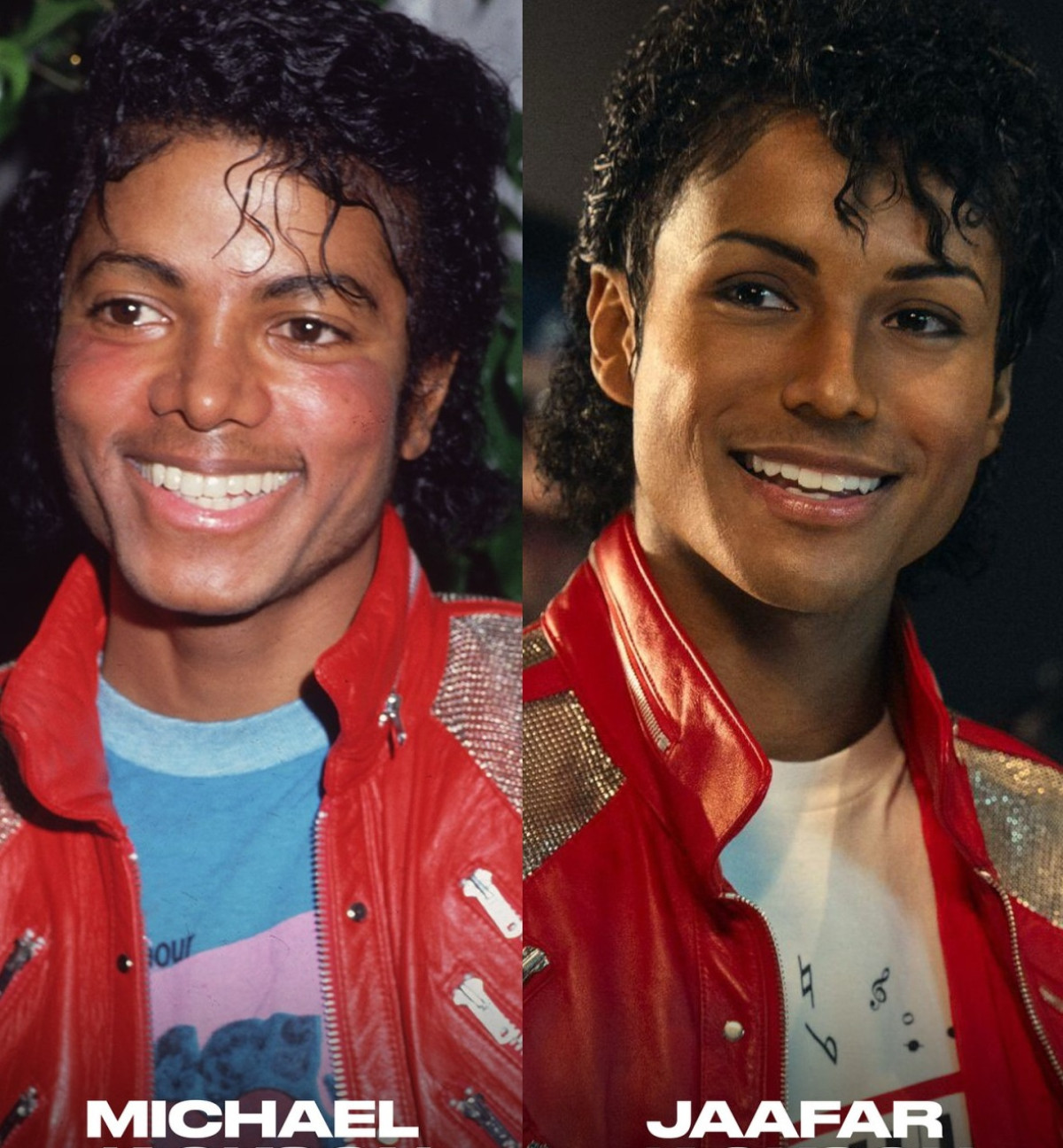
Jaafar Jackson plays Michael Jackson in the 2026 biopic Michael, and the story of how the 29-year-old newcomer landed the role is more interesting than the film itself. It started with a voice note. It involved a two-year global casting search with no formal auditions. It required Jaafar to keep the role secret from his own family for a full year. And it ended with his grandmother Katherine Jackson, the woman who knew Michael longest and loved him most, telling producers that her grandson didn't just resemble her son, he embodied him. After tracking every interview, behind-the-scenes video, and production report released since the film was announced, I can tell you that the choice of Jaafar was not nepotism, not a publicity play, and not the obvious pick everyone assumes it was. It was a hard-earned outcome of the most unusual casting process in recent biopic history, and here is how it actually happened.
This is not a tech trend. This is an infrastructure mega-cycle, like the railroad boom or the interstate highway system. The difference is it is happening in a decade instead of a century.
As someone who hires for a colocation provider, the frustration is real. We post roles and get applications from people with great IT backgrounds who have never set foot in a facility. The pipeline just does not exist yet at the scale we need.
One thing the article does not address is the comedy element. The synopsis describes Seongshik as an employee of the month type and there is clearly a tonal lightness to the setup that the serious thematic analysis undersells. Is this actually funny or is it grimly dramatic.
When Tomb Raider King first exploded onto the manhwa scene, it brought a fresh take on dungeon crawling stories by combining archaeological adventure with ruthless protagonist energy and a treasure-hunting premise that felt genuinely different from typical gate and dungeon narratives. The series built a dedicated fanbase through its satisfying blend of historical artifact powers, strategic relic acquisition, and a protagonist who wasn't afraid to be morally gray in pursuit of his goals. Now, with the anime adaptation confirmed for 2026 as one of the most anticipated manhwa-to-anime projects, Tomb Raider King is experiencing a resurgence. New readers are discovering the series while longtime fans eagerly await seeing Jooheon Suh's relic-hunting adventures brought to life with animation. The timing couldn't be better, as the series has built enough content to support a substantial adaptation while maintaining momentum in its ongoing storyline.

The article is right that the layered villain structure keeps stakes escalating but I'd add that the Apostle of the Itarim's infiltration of the Hunter Association creates a specific kind of tension that the original never really attempted.
My skeptic take is that enterprise adoption numbers from tracking panels of 70 customers is not exactly a massive sample size. That is a niche signal being presented as market dominance.
The QWER opening theme announcement got me more excited than almost anything else. A Korean girl group doing their first Japanese anime tie-up for this show feels like a genuinely cool cultural moment.
The article mentions Chinese firms trying to copy Anthropic's models and the three labs teaming up to block them. That's a significant development that barely got covered in the mainstream press. The era of freely accessible frontier AI is ending faster than most people realize.
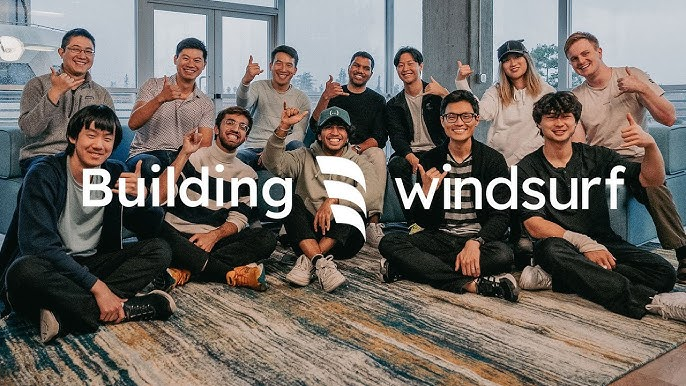
Developers have a new anxiety in 2026: token anxiety. You're in the middle of debugging a complex problem, the AI is helping you refactor three files simultaneously, and suddenly you wonder if this session is about to cost you $50. That mental tax slows you down and makes you second-guess using the tool you're paying for. Windsurf eliminated that anxiety with a simple decision: flat monthly pricing with no token limits. Fifteen dollars per month. Unlimited usage. No tracking credits or calculating costs per query. That pricing model sounds almost boring compared to the complex token systems other AI coding tools use, but boring is exactly what professional developers want when it comes to pricing. They want predictable costs and unlimited usage so they can focus on writing code instead of budgeting AI queries.
Hot take, the handshake refusal was the most honest moment in the entire history of AI corporate PR. At least they stopped pretending.
I can totally picture wearing this outfit while exploring a new city. Just needs a camera around the neck!
Wonder how this would look with wide leg pants instead of skinnies? Might give it a more current vibe
Would swap the structured bag for a metallic backpack to lean into the sporty vibe more