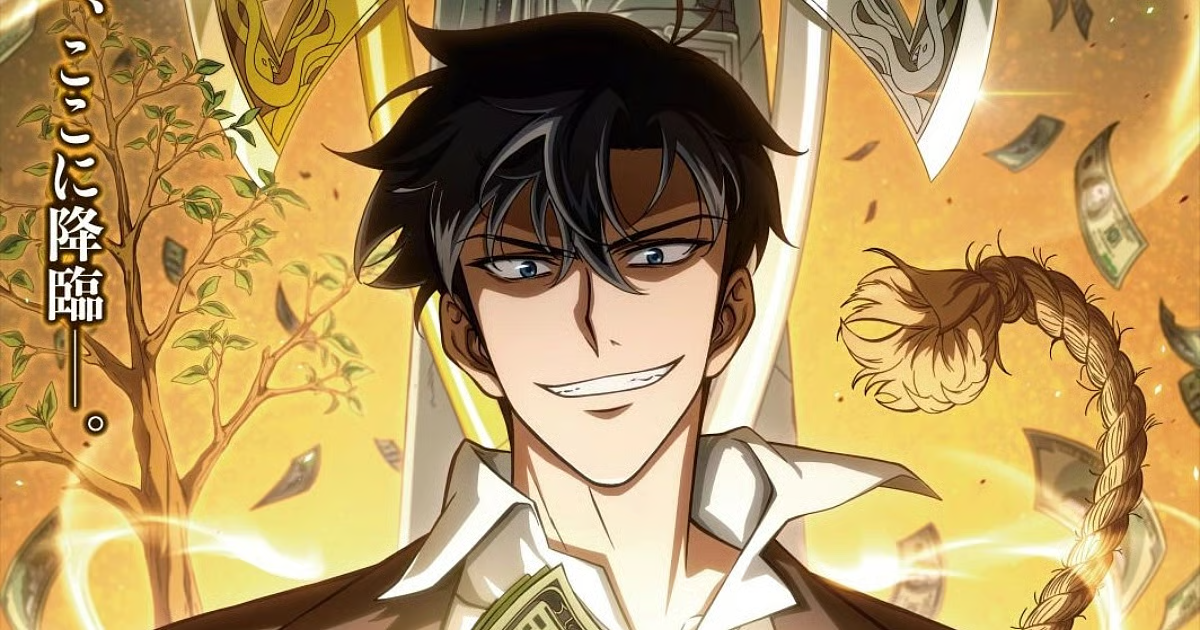
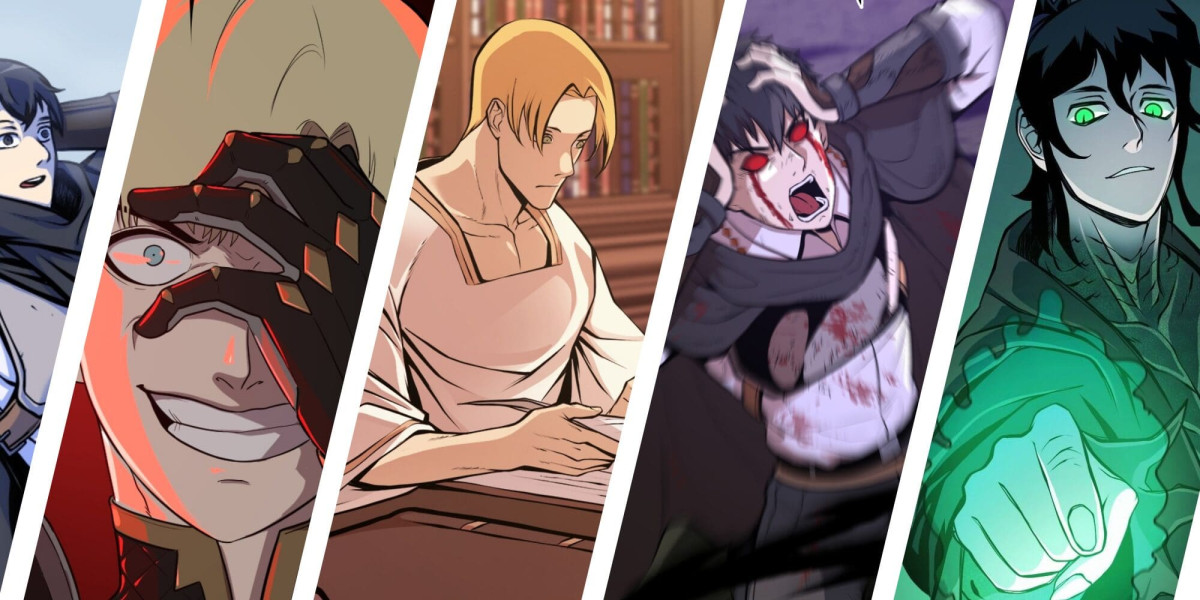
When Tomb Raider King first exploded onto the manhwa scene, it brought a fresh take on dungeon crawling stories by combining archaeological adventure with ruthless protagonist energy and a treasure-hunting premise that felt genuinely different from typical gate and dungeon narratives. The series built a dedicated fanbase through its satisfying blend of historical artifact powers, strategic relic acquisition, and a protagonist who wasn't afraid to be morally gray in pursuit of his goals.
Now, with the anime adaptation confirmed for 2026 as one of the most anticipated manhwa-to-anime projects, Tomb Raider King is experiencing a resurgence. New readers are discovering the series while longtime fans eagerly await seeing Jooheon Suh's relic-hunting adventures brought to life with animation. The timing couldn't be better, as the series has built enough content to support a substantial adaptation while maintaining momentum in its ongoing storyline.
For those unfamiliar with the series or curious about what makes it stand out in the crowded dungeon crawling genre, this deep dive explores everything that makes Tomb Raider King a must-read manhwa and why the upcoming anime adaptation has the potential to become a breakout hit that rivals Solo Leveling's success.
The Core Premise That Sets Tomb Raider King Apart
Tomb Raider King takes place in a world where mysterious tombs suddenly appeared across the globe, each containing powerful relics tied to historical figures, myths, and legends. These relics grant supernatural abilities to their users, creating a new hierarchy of power where relic possession determines status and influence.
Jooheon Suh is the protagonist, but not at the beginning of his journey. The series starts with him as an experienced tomb raider working for a powerful relic user who betrays and kills him. However, Jooheon possesses a unique ability that activates upon his death, sending his consciousness back in time to before the tombs first appeared.
This regression element gives Jooheon crucial advantages. He knows which tombs will appear and when. He understands which relics are truly powerful versus which ones seem impressive but have fatal flaws. He knows the identities of future enemies and allies. Most importantly, he knows how the relic system works and how to exploit it ruthlessly.
What makes this premise compelling is how Jooheon uses his knowledge. He's not a hero trying to save the world or help humanity. He's out for revenge against those who betrayed him and determined to claim the most powerful relics for himself. His methods are often underhanded, manipulative, and morally questionable. He lies, steals, and intimidates without hesitation when it serves his goals.
The treasure hunting angle differentiates Tomb Raider King from typical dungeon stories. Rather than simply clearing dungeons for loot or experience points, Jooheon specifically targets historical relics with known powers. Each tomb presents archaeological puzzles, historical references, and challenges tied to the relic's origin. This creates variety beyond simple combat encounters.
Understanding the Relic System and Power Mechanics
The relic system in Tomb Raider King is one of its most interesting elements, providing clear power progression while maintaining creativity and variety in abilities. Unlike generic stat-based systems, relics have distinct personalities, histories, and capabilities tied to their origins.
Relics are classified by rank, with higher-ranked relics generally more powerful. However, the series subverts simple power hierarchies by showing how lower-ranked relics used cleverly can overcome higher-ranked ones. Strategic thinking and understanding relic mechanics matter more than raw power level.
Each relic has a will of its own based on its historical or mythological origin. A relic tied to a tyrannical emperor might be arrogant and difficult to control. A relic from a trickster deity might be unpredictable and mischievous. Users must negotiate with, dominate, or bond with their relics. This creates interesting character dynamics where relics function almost as additional characters.
Jooheon's unique ability allows him to restore and repair damaged relics, giving him advantage in acquiring powerful artifacts that others dismiss as broken or useless. This repair ability becomes crucial to his strategy, allowing him to build a collection of relics that work synergistically.
The series also explores relic compatibility and how different relics interact when used together. Some combinations create powerful synergies. Others conflict and weaken each other. Part of Jooheon's expertise from his previous timeline is knowing which relics complement each other and how to build effective combinations.
Why Jooheon Suh Works as a Morally Gray Protagonist
In an era where many manhwa protagonists are either purely heroic or completely villainous, Jooheon occupies interesting middle ground. He's undeniably the protagonist and readers root for him, but he's also ruthless, selfish, and often cruel to his enemies.
His moral flexibility comes from experience and betrayal. In his previous timeline, trusting the wrong people got him killed. Being too merciful or honorable left him vulnerable. His regression taught him that survival and success require willingness to get your hands dirty. This creates a character who's pragmatic rather than evil.
Jooheon shows genuine care for the few people he values, particularly his sister and eventually a small circle of allies. This selective loyalty humanizes him and provides emotional stakes beyond personal power acquisition. He's not incapable of compassion, just very selective about who deserves it.
The series also shows Jooheon's actions having consequences. His ruthlessness creates enemies and complications. People he manipulates sometimes turn on him. His reputation makes forming alliances difficult. The story doesn't pretend his methods come without costs, which keeps him grounded despite his advantages.
What makes him compelling is his competence and confidence. He knows what he's doing, executes plans effectively, and handles setbacks without falling apart. Watching him scheme, manipulate, and outmaneuver opponents provides satisfaction that pure power fantasy can't match. He wins through intelligence and preparation as much as strength.
The Historical and Mythological Elements That Enrich the Story
One of Tomb Raider King's strongest elements is how it incorporates real historical figures, events, and mythological traditions into its relic system. This educational aspect adds depth while maintaining entertainment value.
Relics might be tied to figures like Napoleon, Cleopatra, King Arthur, Sun Wukong, or countless other historical and mythological characters. Each relic reflects its origin's personality, abilities, and historical context. This creates opportunities for creative powers while grounding them in recognizable references.
The tombs themselves often incorporate architectural styles, puzzles, and challenges related to their associated time periods and cultures. An Egyptian tomb differs fundamentally from a Norse tomb or a Chinese tomb, both in aesthetic and in the types of challenges presented. This variety keeps tomb exploration fresh.
The series uses historical knowledge as plot element. Understanding the history behind a relic helps predict its powers and weaknesses. Jooheon's preparation sometimes involves researching historical contexts to gain advantages. This makes intelligence gathering as important as combat ability.
The mythological aspects allow for spectacular powers and creatures without feeling arbitrary. When a relic summons a dragon, it's because that relic is tied to dragon mythology from a specific culture. When someone wields lightning, it's because they possess a relic connected to a thunder deity. The consistency makes the fantastical feel grounded.
How the Regression Element Creates Narrative Tension
Regression stories risk becoming too easy for protagonists who know the future. Tomb Raider King navigates this challenge by ensuring Jooheon's knowledge provides advantages without guaranteeing success. His actions create ripple effects that change future events, making his knowledge progressively less reliable.
In the early story, Jooheon's foreknowledge gives him significant edge. He claims relics before their original owners, prevents betrayals, and positions himself advantageously. These victories feel earned because we understand the preparation and risk involved despite his knowledge.
As the story progresses, Jooheon's interference causes increasingly large divergences from the timeline he remembers. People who were enemies become allies or vice versa. Relics appear in different locations or times. New players enter the game who weren't significant in the original timeline. This forces Jooheon to adapt rather than simply following a script.
The regression also provides dramatic irony. Readers and Jooheon know things other characters don't, creating tension when people make decisions that seem reasonable but that we know will end badly. It also creates satisfaction when Jooheon uses his knowledge to help someone or prevent a tragedy he couldn't stop before.
The emotional weight of regression comes from Jooheon carrying memories of betrayal and loss that haven't happened yet in the current timeline. He knows who can't be trusted even when they seem friendly. He remembers people who died and is determined to change those outcomes. This creates complex relationship dynamics.
The Art Style and Visual Presentation
Tomb Raider King features clean, detailed artwork that effectively conveys both action sequences and character expressions. The art quality has improved noticeably over the series' run, with recent chapters showcasing particularly impressive panel work and character designs.
The tomb environments receive excellent attention to detail, with each location feeling distinct and atmospheric. Ancient architecture, mysterious artifacts, and dangerous traps are rendered with clarity that makes exploration sequences engaging. You can follow exactly what's happening spatially, which matters for puzzle-solving scenarios.
Character designs strike a balance between realistic and stylized. Jooheon has a distinctive appearance that makes him easily recognizable without being so unique he feels out of place. Supporting characters have varied designs that make them visually distinct, important when the cast grows large.
Action sequences use dynamic panel layouts and clear choreography. Relic powers have distinct visual signatures that make them recognizable. When multiple characters fight using different relics, the art ensures readers can track who's doing what without confusion.
The color work in digital versions enhances mood and atmosphere. Tombs feel appropriately dark and dangerous. Powerful relics glow with impressive effects. The artist uses color to guide eye movement and emphasize important panels or moments within larger pages.
Supporting Characters Who Add Depth to the Story
While Jooheon dominates the narrative, Tomb Raider King features a supporting cast that adds humor, heart, and complexity to balance his ruthless protagonist energy. These characters serve functions beyond being obstacles or helpers for the main character.
Jooheon's sister provides his primary emotional anchor. She's the one person he genuinely cares about without calculation. His desire to protect her and ensure she lives well drives many of his actions. Their relationship humanizes him and provides stakes beyond personal power.
The relics themselves function as characters, particularly the ones in Jooheon's collection. They have distinct personalities, often provide comic relief through their interactions with Jooheon and each other, and occasionally offer useful advice or abilities at crucial moments. The relationship between user and relic creates interesting dynamics.
Rival tomb raiders create ongoing tension and conflict. Some are purely antagonistic, others become reluctant allies, and a few earn genuine respect from Jooheon despite being competitors. These relationships evolve as circumstances change and as Jooheon's interference alters people's paths from what he remembers.
Former enemies from the previous timeline appear before they've done anything wrong in the current timeline. Jooheon must decide whether to preemptively eliminate them or give them chances to make different choices. Some people he couldn't save before get opportunities for better outcomes. These second chances create emotional storylines.
Comparing Tomb Raider King to Similar Manhwa
The dungeon and regression manhwa genres have numerous entries, making comparison inevitable. Tomb Raider King carves out unique space through its specific combination of elements that similar series don't quite replicate.
Solo Leveling features dungeon crawling with overpowered protagonist and system mechanics. Both series deliver satisfying power progression, but Tomb Raider King focuses more on acquisition strategy and relic synergies while Solo Leveling emphasizes individual stat growth and army building. The tone also differs, with Tomb Raider King being more comedic despite serious moments.
Second Life Ranker shares the regression element and protagonist using future knowledge for advantage. Both protagonists are morally gray and ruthless. However, Second Life Ranker leans heavier into revenge narrative while Tomb Raider King balances revenge with treasure hunting adventure. The power systems also differ significantly.
The tutorial is too hard features dungeon crawling with comedic elements and overpowered protagonist. The comedy styles overlap somewhat, particularly in how protagonists handle ridiculous situations with deadpan competence. Tomb Raider King maintains more serious overarching plot despite comedic moments.
Omniscient Reader's Viewpoint shares knowledge-based advantages and strategic protagonist approach. Both series feature clever protagonists who win through preparation and understanding systems rather than pure strength. Tomb Raider King is more straightforward action-adventure while Omniscient Reader explores more complex metafictional themes.
Why the Treasure Hunting Angle Works So Well
The treasure hunting framework provides structure and motivation that feels different from typical dungeon crawling objectives. Instead of simply becoming stronger or clearing dungeons because they're there, Jooheon pursues specific relics with known locations and powers.
This creates a sense of progression and collection that appeals to completionist tendencies. Readers can anticipate which famous relics might appear and look forward to seeing how the series interprets their powers. There's satisfaction in watching Jooheon systematically acquire his target relics.
The historical and archaeological elements add educational flavor without being dry. Readers learn about historical figures, myths, and cultural traditions through entertaining action narrative. The series makes history feel cool and relevant by tying it to supernatural powers.
Treasure hunting also allows for variety in challenges. Some relics require solving puzzles. Others demand combat prowess. A few need negotiation or trickery to acquire. The diverse acquisition methods prevent the story from becoming repetitive despite following a basic pattern of finding and claiming relics.
The competitive aspect creates ongoing conflict. Multiple parties often pursue the same relics, leading to races and confrontations. Even when Jooheon knows where a relic is, he might face competition from other tomb raiders who also want it. This ensures consistent tension despite his knowledge advantage.
What the Anime Adaptation Needs to Capture
Translating Tomb Raider King to anime presents specific challenges that the production team must address to create a successful adaptation that satisfies both existing fans and new viewers.
The pacing needs to balance action with strategic planning. The manhwa takes time to show Jooheon preparing, researching, and scheming. Rushing through these sections to get to action would lose important character moments and make victories feel less earned. The anime must trust viewers to engage with planning sequences.
Jooheon's personality needs to come through clearly. He's sarcastic, ruthless, and confident without being insufferable. The voice actor must capture this specific tone. Too heroic and he loses his edge. Too villainous and he becomes unsympathetic. Finding the right balance is crucial.
The relic personalities and their interactions with Jooheon provide much of the series' humor. These need strong voice acting and good comedic timing. The relics can't feel like simple power-ups but should register as distinct characters with their own quirks and attitudes.
The tomb environments need to feel atmospheric and dangerous. Good background art and lighting will be crucial for establishing mood. Each tomb should feel unique and tied to its cultural and historical origins. The production budget needs to support varied, detailed locations.
Action sequences should emphasize strategy alongside spectacle. The best fights in the series involve Jooheon using relics cleverly rather than simply overpowering opponents. The anime must convey the tactical thinking happening during combat, not just show flashy powers clashing.
The Potential for Mainstream Success
Tomb Raider King has several factors working in its favor for potential mainstream anime success. Understanding these advantages helps explain why the adaptation generates significant anticipation.
The premise is immediately accessible. Treasure hunting, historical artifacts with powers, and time travel regression are concepts general audiences understand quickly. Unlike some manhwa with complex cultivation systems or convoluted setups, Tomb Raider King's core concept is straightforward.
The protagonist archetype has proven popular. Audiences love competent, confident characters who win through intelligence and preparation. Jooheon fits this mold while having enough personality to stand out from similar protagonists. His moral grayness also appeals to viewers tired of purely heroic characters.
The historical and mythological elements provide broad appeal. People enjoy seeing how famous figures and myths translate into powers and abilities. The educational aspect adds value without feeling like homework. Viewers might learn things while being entertained.
The episodic nature of relic acquisition creates natural story arcs for anime episodes. Each relic pursuit can function as a mini-arc with setup, challenges, and resolution. This structure works well for weekly episode format and provides satisfying short-term payoffs while building toward larger goals.
The timing is favorable with audiences hungry for more manhwa adaptations after Solo Leveling's success. Production companies are investing in manhwa content, and viewers are actively seeking new series to follow. Tomb Raider King enters a market primed for this type of content.
Final Thoughts on Why This Series Deserves Your Attention
Tomb Raider King represents exactly the type of manhwa that translates well to anime while offering enough substance to satisfy readers seeking more than simple power fantasy. It combines accessible premise with clever execution, morally complex protagonist with genuine character growth, and action spectacle with strategic thinking.
For readers who haven't tried the manhwa yet, now is perfect time to catch up before the anime releases. The series has accumulated enough chapters to provide substantial reading material while remaining active and ongoing. You can binge the available content and then follow new releases as they arrive.
The treasure hunting framework provides satisfying progression and collection mechanics that appeal to similar instincts as RPGs and loot-based games. There's genuine pleasure in watching Jooheon systematically acquire powerful relics and use them creatively. The variety of powers and abilities keeps things fresh.
The regression element adds layers of dramatic irony and emotional weight without making the story too easy or predictable. Jooheon's knowledge provides advantages but doesn't guarantee success. His interference changes events in ways that create new challenges and opportunities. The butterfly effects feel logical and keep outcomes uncertain.
Most importantly, Tomb Raider King is simply fun. It doesn't take itself too seriously despite having serious moments. The humor lands, the action delivers, and the character dynamics entertain. It's the type of series you can recommend to friends without extensive explanations or caveats.
As the anime adaptation approaches in 2026, Tomb Raider King stands positioned to become another major manhwa success story. Whether it reaches Solo Leveling's heights remains to be seen, but the foundation is solid. For fans of dungeon crawling, treasure hunting, clever protagonists, and satisfying power progression, this series delivers everything you're looking for and more.
Wondering if the anime will get a simuldub or if we are waiting months for an English dub. That timeline can genuinely affect how much Western audience engagement builds during the initial run.
The comparison to Solo Leveling makes sense commercially but creatively they are very different vibes. Solo Leveling is about ascending a power hierarchy. Tomb Raider King is more like watching a master con artist work in a supernatural setting.
Yoshimasa Hosoya voicing the lead in the Japanese dub is a perfect casting choice. His voice has exactly the right mix of coldness and charisma that Jooheon needs.
Studio EEK being Korean is actually interesting here. A Korean studio adapting a Korean manhwa property means there is less translation loss between source material and adaptation team. They understand the cultural context natively.
Ngl first few chapters felt slow to me but once the relic personality mechanics kicked in properly I was completely hooked. The series rewards patience.
The comparison to a heist narrative rather than a dungeon crawler is underrated. Tomb Raider King operates on information advantage and preparation in a way that most action manhwa do not even attempt.
Reading through the original web novel on Tapas while waiting for the anime is genuinely worth it. The novel has a slightly different pace and some expanded scenes that add context the manhwa condensed.
What is the recommended chapter count to read before the anime drops in July? Asking because I want enough context to appreciate the adaptation but not so much that I spoil everything.
Jooheon's relationship with his sister is the emotional anchor the whole series needs. Without it he would be too cold to follow for hundreds of chapters. The writing understood that early and committed to it.
Unpopular opinion maybe but I think the series loses some momentum in the middle chapters. The early arcs are tighter and more exciting. Still a great read overall but I hope the anime adaptation trims some of the filler-ish content.
Speaking as someone who reads a lot of historical fiction, the way this series ties relic powers to actual historical and mythological context scratches a very specific itch that most fantasy series completely ignore.
The English print volumes from Ize Press have been excellent for building the series audience outside of webtoon readers. Physical manhwa has become a real market and Tomb Raider King volumes are genuinely shelf-worthy.
The moment the series was announced at Anime Expo it was clear this was a serious production push, not a cheap cash-in on manhwa popularity. Kadokawa involvement and Fuji TV broadcast slot signal real investment.
The historical relic angle is genuinely underrated. Getting a Napoleon relic or a Cleopatra relic and seeing how the show interprets those powers is the kind of variety that keeps things fresh chapter after chapter.
The character design in the teaser trailer looked faithful to the manhwa which is the first hurdle cleared. Art style translation between manhwa and anime can go very wrong very fast.
The production announced QWER doing the opening theme song and that detail alone tells you something about how this adaptation is being marketed. They are not playing it safe, they are going for cultural momentum.
The revenge arc setup is so clean. You understand exactly what Jooheon lost, exactly who is responsible, and exactly why he is willing to do morally questionable things to win. That clarity of motivation carries a lot of narrative weight.
Irene Holton being voiced by Saori Hayami means that character is going to get a whole new fanbase who discovers the series through the anime. That casting will do real promotional work.
B-tier is actually high praise in a genre where most series fall off dramatically after their opening arc. Consistent B-tier beats inconsistent A-tier for binge readability.
The article talks about how Jooheon wins through intelligence and preparation as much as raw strength. That is genuinely what makes rereads of early chapters so rewarding. You see the setup for plans that pay off much later.
The Ize Press print volumes are really well done if anyone wants a physical copy. Volume 14 is dropping next month and the production quality has been consistently solid throughout.
Honestly the relic system is what separates this from every other regression manhwa. The idea that each artifact has its own personality and will is genuinely creative and I never get tired of seeing Jooheon negotiate or strong-arm them into submission.
The Japanese localized names changing Jooheon to Ryoga Goriki and similar alterations always bothers me a little. I understand the localization logic but it creates a weird disconnect if you follow both the manhwa and the anime simultaneously.
My one worry is pacing. The manhwa moves fast and covers a lot of ground. Anime adaptations of dense manhwa have a rough track record when it comes to compressing or skipping content without losing the story's flow.
What made me start reading this series was someone describing it as what happens when the smart guy from every heist movie gets supernatural powers and access to ancient tombs. That description is still the best pitch I have heard.
Hot take but the mid-series arcs are actually stronger than the opening because by then the timeline divergence has gotten significant enough that even Jooheon does not know what is coming next.
The regression genre in manhwa is crowded but Tomb Raider King earns its place by making the protagonist's knowledge a liability as much as an asset as the story progresses.
Can we talk about the art for a second. The 3B2S artwork in the manhwa is stunning. Every tomb environment feels distinct and the relic power effects have this visual energy that I am really curious to see translated into animation.
Hot take but Jooheon is actually a better protagonist than Sung Jinwoo. Jinwoo just gets stronger in a straight line. Jooheon schemes, manipulates, and outsmarts everyone, which makes every arc feel like a chess match instead of a power level tournament.
Respectfully disagree with that take. The series consistently shows his methods creating blowback and complications. That is not just lip service to consequences, it actually shapes the plot.
Jooheon does not need saving and does not need encouragement. He just needs opportunity. That self-sufficiency is so much more satisfying to watch than protagonists who discover their potential through friendship speeches.
Never thought about it that way but yeah, animation gives you tools to pace exploration sequences that static panels do not have. A well-edited dungeon sequence in motion could be tighter than the equivalent manhwa chapter.
Summer anime premieres live and die by whether they build word of mouth in the first two or three weeks. If the animation quality holds and the story starts strong, this has real potential to snowball.
Studio EEK is handling the animation and I will be honest, that name does not inspire immediate confidence. Smaller studios can absolutely surprise you but the bar set by Solo Leveling is brutally high right now.
The name localization thing is a real adjustment but it is standard practice for Japanese dubs of Korean properties. Solo Leveling did the same thing and after a few episodes you just adjust.
Does anyone else feel like the Solo Leveling comparisons are getting a little tired? Yes both series come from Redice Studio and share some DNA but Tomb Raider King does enough differently to stand on its own feet.
Some of the historical deep dives in this series are legitimately educational. Found myself actually looking up the mythological background of certain relics after reading chapters.
Same concern about pacing honestly. First arc alone has enough material to either be rushed into three episodes or stretched into a really satisfying season opener. Hope they take their time.
The B-tier debate about this manhwa that keeps circulating online is interesting. It is not a perfect series but B-tier undersells how consistently entertaining it is over a very long run.
The article is a little generous about Jooheon's moral complexity. He is fun to follow but let us not pretend he has a nuanced ethical code. He does what benefits him and the sister protection angle is more emotional shorthand than genuine character depth.
For the person asking about how much to read before the anime, getting through the first 50 to 60 chapters gives you a solid foundation without spoiling most of the major arcs. The first season will almost certainly adapt that range anyway.
The fact that both Tomb Raider King and Solo Leveling come from Redice Studio is either a sign of how talented that studio is or how much they have influenced what modern manhwa looks and feels like. Maybe both.
Honestly the relic rank system could have been generic stat padding but the series uses it to set up underdog moments constantly. Lower ranked relic used cleverly beats higher ranked one used carelessly. That is good writing.
The fact that the series is already complete on Tapas means the anime has a full story to draw from. No filler arcs invented to buy the source material time. That alone puts it ahead of many adaptations before they even air.
The relics having wills tied to their origins means you cannot just mindlessly stack power. You have to actually manage your collection like a roster. That strategic layer makes Jooheon feel like a manager and a fighter at the same time.
Jooheon is not a hero and the series does not pretend he is. That is genuinely refreshing in a genre where protagonists usually get a thin moral justification for everything they do.
Jooheon repairing broken relics that others dismissed is honestly a great metaphor for the whole series. Taking things everyone else overlooked and turning them into weapons through skill and knowledge rather than luck.
The summer 2026 anime season is stacked. Tomb Raider King is going to have real competition for viewer attention and that is actually exciting because strong competition usually elevates production quality across the board.
The article nails it when it talks about the supporting cast adding depth. The relics themselves functioning as secondary characters with their own agendas is one of the most underappreciated parts of the whole series.
My problem with a lot of regression manhwa is the protagonist becomes boring once they have too much foreknowledge. This one sidesteps that because the timeline keeps destabilizing the further in you get.
It clicks around chapters 15 to 20 when the relic personalities start becoming a real storytelling element rather than just flavor text. First ten chapters are setup and worth pushing through.
To the person asking about Solo Leveling comparisons, I get the frustration but the reality is that comparison is probably what gets new readers in the door. Once they start reading they figure out the differences pretty quickly.
Still cautious about Studio EEK. The teaser trailer was promising but a teaser is always the most polished thing a production has. Waiting to see consistent episode quality before I fully commit to the hype.
At this point the manhwa to anime wave is big enough that it is changing what casual anime viewers consider normal story structure. Regression plots and overpowered protagonists are basically mainstream now.
The web novel being available on multiple platforms is smart distribution. People who get hooked on the anime have multiple legal ways to continue the story immediately. That matters for retention.
The article mentions Jooheon being willing to lie, steal, and intimidate without hesitation. That is accurate but the series also makes sure those choices have real costs. He is not untouchable because of his attitude.
Coming in with a mild counterpoint. The tomb exploration sequences in the manhwa are great but they can also bog down the pacing significantly in the middle of the series. Animation might actually fix this by tightening the visual storytelling.
The Korean manhwa to anime pipeline is genuinely one of the most exciting developments in animation right now. Tomb Raider King joining that wave feels inevitable and well earned.
Fifteen years of future knowledge and Jooheon still manages to be genuinely tested. That balancing act is hard to maintain and this series does it better than most.
Cautiously optimistic is where I land on the anime. The teaser looked promising but we have all been burned before by adaptations that look great in a 90 second clip and then disappoint over a full season.
This was always going to appeal to the Solo Leveling crowd but I think the globe-trotting exploration element has the potential to pull in a completely different audience who would not normally watch dungeon fantasy.
That is a really good point about Studio EEK. The disconnect between Korean source material and Japanese animation teams has caused problems before. Having a Korean studio handle this could genuinely result in a more faithful adaptation.
Seung Wook Woo directing with a background in action-heavy storytelling is exactly the profile you want for this series. The fight choreography in the manhwa needs someone who understands momentum and not just pretty visuals.
Jooheon collecting relics that everyone else dismissed as broken or useless and then repairing them into weapons is such a satisfying power fantasy. It rewards preparation and knowledge over brute strength.
The archaeological puzzle element in the tomb exploration sequences is something I have not seen another dungeon manhwa do this well. It makes the exploration feel like it has intellectual stakes beyond just who can hit hardest.
The diverging timeline mechanic is what keeps the regression element from feeling stale. Jooheon cannot just coast on foreknowledge forever because his own actions keep rewriting the future he remembers.
The QWER opening theme announcement got me more excited than almost anything else. A Korean girl group doing their first Japanese anime tie-up for this show feels like a genuinely cool cultural moment.
Fair point but honestly with the Summer 2026 anime season shaping up to be incredibly competitive, Tomb Raider King needs that Solo Leveling comparison to even get casual viewers to give it a first episode.