
Absolute banger of a concept, mediocre execution in the first few chapters, gets significantly better around the midpoint of what's available.
Sign up to see more
SignupAlready a member?
LoginBy continuing, you agree to Sociomix's Terms of Service, Privacy Policy
Sign up to see more
SignupAlready a member?
LoginBy continuing, you agree to Sociomix's Terms of Service, Privacy Policy

Absolute banger of a concept, mediocre execution in the first few chapters, gets significantly better around the midpoint of what's available.
The manhwa world exploded when Solo Leveling first introduced us to Sung Jinwoo's journey from the weakest hunter to humanity's strongest defender. Now, Solo Leveling Ragnarok brings a fresh perspective to this beloved universe, and fans everywhere are asking the same questions. Can the sequel live up to the original? Do you need to read Solo Leveling first? What makes this continuation worth your time? This guide covers everything you need to know about Solo Leveling Ragnarok, whether you're a longtime fan or someone curious about jumping into the series Solo Leveling Ragnarok is not a reboot or alternate timeline. This is a direct sequel that continues the story years after the original series concluded. The protagonist shifts from Sung Jinwoo to his son, Sung Suho, who must forge his own path in a world still recovering from the catastrophic events his father prevented.
Forty million dollars in annual recurring revenue. Six months. One browser-based platform. Those numbers would be impressive for any software company, but for Bolt.new, they represent something more significant: the moment when development environments moved permanently into the cloud and never looked back. Traditional software development has always required setup. Install Node.js, configure your environment, manage dependencies, set up local servers, troubleshoot version conflicts. Before writing a single line of code, developers spend hours or even days preparing their machines. Junior developers often spend their first week just getting their environment working. Bolt.new eliminated all of that with WebContainers technology.
The post mentions LMS integration was added. For anyone running employee training or online education that is a meaningful feature. Getting video content directly into the learning environment where learners already are removes a whole distribution headache.
As someone who produces online courses for a living, text-based editing completely changed my economics. I used to budget 3 hours of editing for every hour of content. Now it is closer to 45 minutes.
Video Agents that auto-generate content based on triggers and data sources sounds incredible on paper. New hire paperwork triggering a personalized onboarding video is genuinely useful. The part that makes me nervous is who audits the output before it reaches the employee.
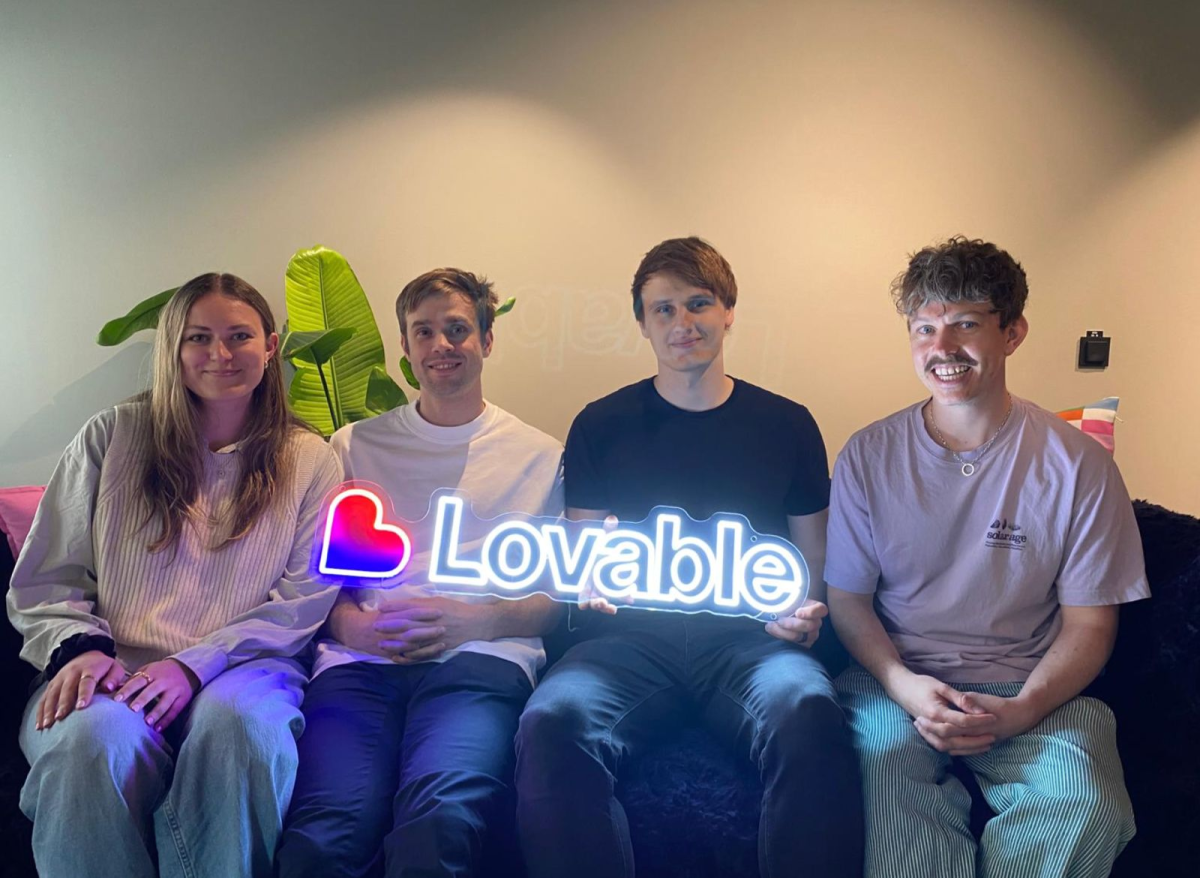
The software development world just witnessed something unprecedented. A European startup called Lovable reached $20 million in annual recurring revenue in just two months, making it potentially the fastest-growing startup in European history. But here's the twist that's making traditional software agencies nervous: they did it by giving non-technical founders the power to build full-stack applications without writing a single line of code. For years, the promise of no-code tools has been the same: anyone can build an app. But the reality has always been different. You'd create a beautiful frontend, get excited about your progress, and then hit the technical cliff. Suddenly you needed to configure databases, set up authentication, manage API keys, and deploy to servers. The "no-code" dream became a "hire-a-developer-anyway" nightmare.
Genuinely curious, has anyone actually used the macOS Codex desktop app that launched in February? Is it actually useful or is it mostly a novelty wrapper around the web experience?
The shopping mode that draws from brand storytelling and creator content people already follow is genuinely clever. It transforms advertising from interruption to recommendation. If it works, it redefines what social commerce can look like.
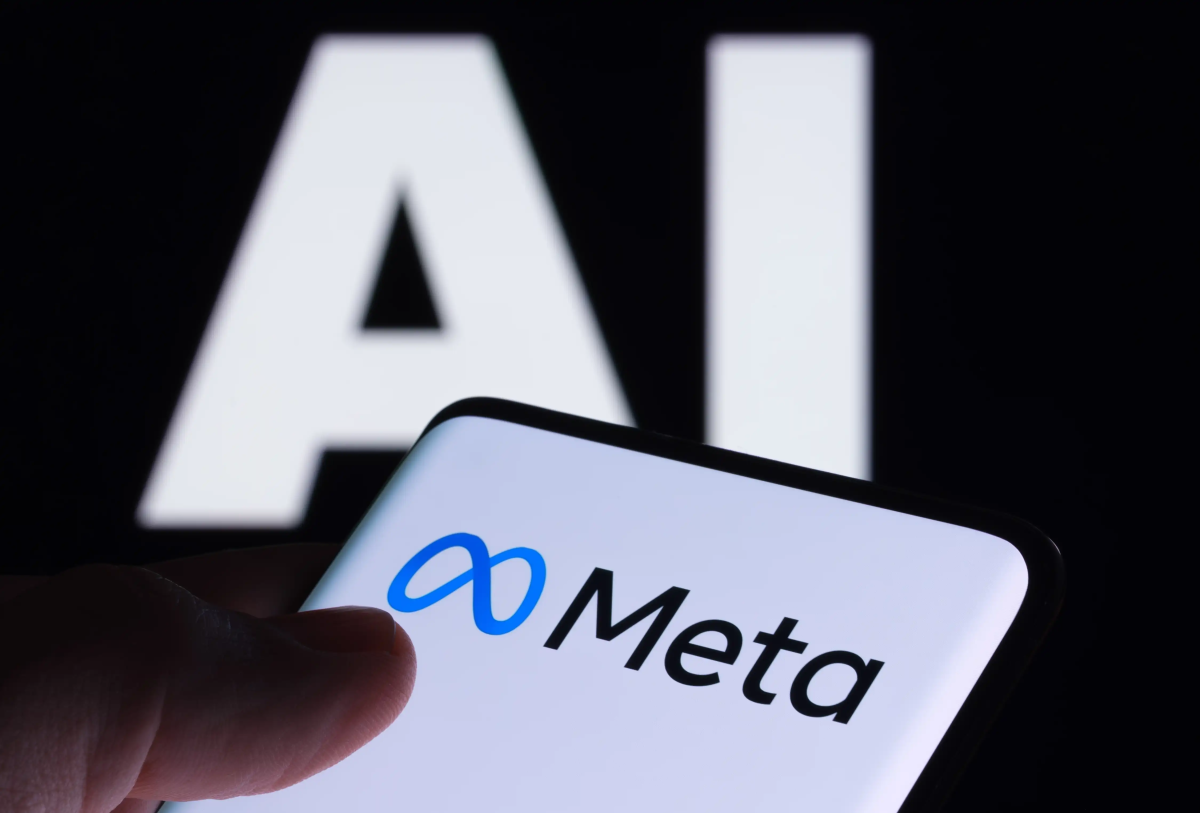
Meta has just had one of its most important AI moments yet and the early signals are hard to ignore. Following the launch of its newest AI model Muse Spark, the company’s standalone Meta AI app surged dramatically in popularity, hinting at a much larger shift that is beginning to take shape. The release is particularly significant because it marks the first major AI model rollout under Alexandr Wang, who joined Meta to reboot its AI strategy. This is not just another incremental update. It represents a more aggressive and focused push into the AI race. According to data from Appfigures, Meta AI jumped from number 57 to number 5 on the U.S. App Store within a day of the launch. That kind of movement rarely happens without a strong underlying pull from users. It signals not curiosity but intent.
The competitive dynamics right now are intense. Anthropic apparently released something called Mythos the same week that was so powerful they are only letting a handful of companies access it initially. Meta's moment got big headlines but the frontier is moving extremely fast.
Three years since she was in Europe and she comes back for Paris Fashion Week. The symbolism is hard to ignore.
Those boots look super comfortable but still edgy. Perfect for walking around the city all day
The bag size is perfect for carrying my laptop and daily essentials. Anyone know where to find something similar?
Anyone else thinking this would look amazing with a leather jacket when it gets cooler?
I actually have similar boots and they're super comfy! I wear them with literally everything in fall
Join independent creators, thought leaders, and storytellers to share your unique perspectives, and spark meaningful conversations.