
Nano Machine and Peerless Dad are the two series I use to explain to people why murim is worth their time. Different reasons but both completely rewarding.
Sign up to see more
SignupAlready a member?
LoginBy continuing, you agree to Sociomix's Terms of Service, Privacy Policy

Nano Machine and Peerless Dad are the two series I use to explain to people why murim is worth their time. Different reasons but both completely rewarding.
Speaking from experience in L and D: the governance thing is not just corporate box-ticking. When you have 50 people creating training videos, brand consistency and content approval matter enormously. HeyGen was not really built for that workflow and it shows when teams scale past ten users.
Real question: for those using HeyGen for client-facing content, do you disclose it to clients that the presenter is an AI avatar? Curious what the actual norm is in agency and freelance work.
Zero setup environments are going to create a generation of developers who are genuinely productive but have no mental model of what is happening underneath their code. I am not sure that is a catastrophe but it is definitely a different kind of developer than we have trained before.
Multi-language support is solid. Transcription works across more than 25 languages and translation plus dubbing features are now built in. The lip sync for translated videos is a newer addition that makes dubbed content look much more natural.
Tabs are unlimited even on the free plan. That alone makes Windsurf worth having installed even if you never pay for a subscription.
To the agency question above: custom integrations, compliance work, security architecture, accessibility standards, load testing, proper CI/CD pipelines. The list is actually quite long. But you are right that the entry point has shifted dramatically.
Respectfully pushing back on the hype a little. The worldbuilding and character work are incredible but the pacing in the middle sections of the manhwa is rough. An adaptation would actually benefit from tightening those arcs.
There is something a little uncomfortable about tools that promise anyone can build anything. Software built without understanding often produces software that fails in ways the builder cannot diagnose or fix.
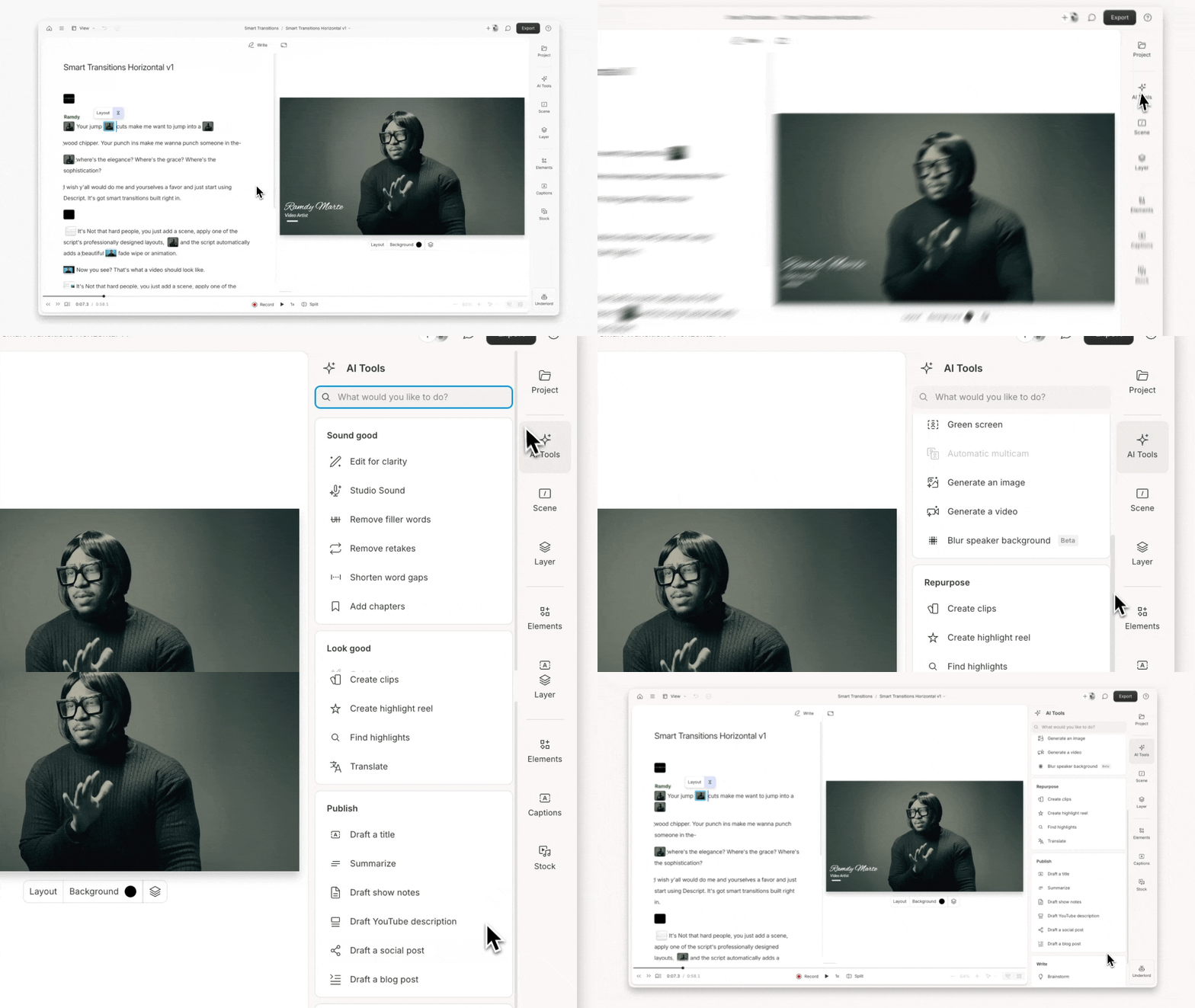
Most people can edit a Google Doc. Delete some words, rearrange sentences, fix typos, add paragraphs. It's intuitive and requires no special training. Now imagine editing video the same way. That's Descript's core innovation, and it transformed video editing from a specialized skill requiring expensive software into something anyone who can edit text can do effectively. Descript started as a transcription tool for podcasters. Record your podcast, upload it to Descript, and get an accurate transcript for show notes. But the founders realized something bigger. If you have a perfect transcript synchronized to audio, you can edit the audio by editing the text. Delete a word from the transcript and that word disappears from the audio. That insight became the foundation for a complete editing platform.
Both companies are burning billions and everyone's acting like the laws of financial gravity don't apply because the technology is impressive. I've seen this movie before and it doesn't always end with the most impressive tech winning.
The software development world just witnessed something unprecedented. A European startup called Lovable reached $20 million in annual recurring revenue in just two months, making it potentially the fastest-growing startup in European history. But here's the twist that's making traditional software agencies nervous: they did it by giving non-technical founders the power to build full-stack applications without writing a single line of code. For years, the promise of no-code tools has been the same: anyone can build an app. But the reality has always been different. You'd create a beautiful frontend, get excited about your progress, and then hit the technical cliff. Suddenly you needed to configure databases, set up authentication, manage API keys, and deploy to servers. The "no-code" dream became a "hire-a-developer-anyway" nightmare.
Wait, so they still do not show edit history? That part bothers me more than people are letting on. Someone could post something supportive, collect likes, then quietly rewrite it to say the opposite and nobody would know.
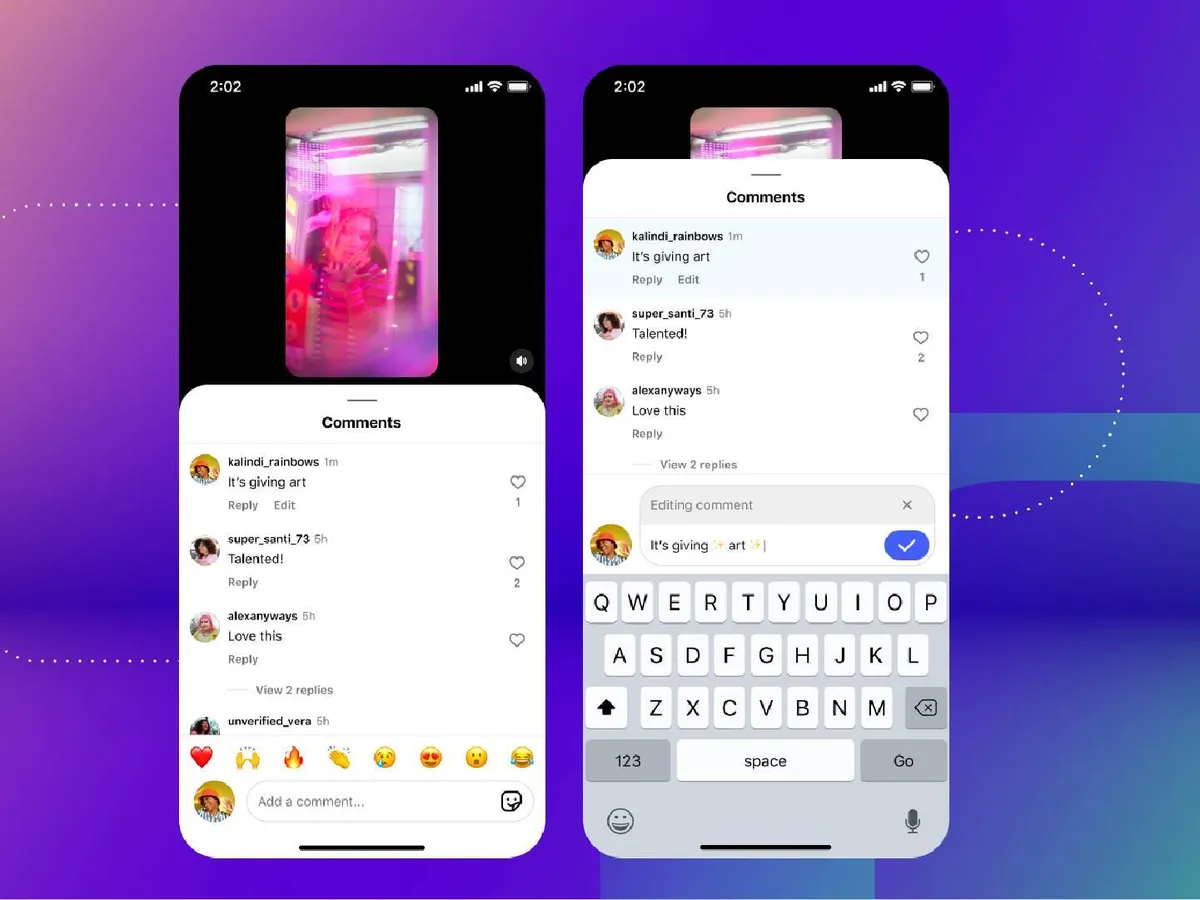
Instagram has rolled out a small but long overdue feature that users have been asking for years. You can now edit your comments after posting them. This simple change solves a very real frustration. Until now, fixing even the smallest typo meant deleting your comment and writing it all over again. That friction is finally gone. But there is a boundary. You get a 15 minute window after posting to make edits. Within that time, you can update your comment as many times as you want. There is also a layer of transparency built in. Once a comment is edited, others will be able to see that it has been modified. However, unlike platforms such as iMessage, Instagram does not show the edit history. What was originally written stays hidden.
Never thought about pairing hexagonal sunglasses with a bohemian top but it totally works
The sweetheart neckline is so flattering on everyone. Plus the straps look adjustable which is always a win in my book!
I actually own these shorts and they run a bit large, so I'd recommend sizing down if anyone's planning to get them
Added a red lip to this same look and it completely transformed it from day to night. Such a versatile base outfit