
What I keep wondering is whether a genuinely honest Michael Jackson biopic could ever be commercially viable or whether the combination of estate control, legal risk, and fan expectations makes a real reckoning structurally impossible to finance.
Sign up to see more
SignupAlready a member?
LoginBy continuing, you agree to Sociomix's Terms of Service, Privacy Policy
Sign up to see more
SignupAlready a member?
LoginBy continuing, you agree to Sociomix's Terms of Service, Privacy Policy

What I keep wondering is whether a genuinely honest Michael Jackson biopic could ever be commercially viable or whether the combination of estate control, legal risk, and fan expectations makes a real reckoning structurally impossible to finance.
The article mentions the fantasy engineering challenges like building on magical land and accounting for monster attacks in structural design. This part of the series is so underrated. It actually engages with world building in a way most isekai just skip.
The regression subgenre has exploded in popularity over the past few years, becoming one of the most beloved narrative frameworks in Korean manhwa. The core premise is deceptively simple: a protagonist dies or fails catastrophically, then returns to an earlier point in time with their memories intact. Armed with future knowledge, they get a second chance to change their fate, save loved ones, gain power, or pursue revenge against those who wronged them. What makes regression stories so compelling is the combination of dramatic irony, strategic satisfaction, and emotional depth they provide. Readers know what the protagonist knows, creating tension when other characters make mistakes we can see coming. We feel smart alongside protagonists who use foreknowledge to outmaneuver enemies. And we experience the emotional weight of carrying memories of futures that haven't happened yet, of people who died who are currently alive, of betrayals that haven't occurred.
The credit system burning through your budget on complex generations is a real problem. Saw community threads describing it as getting expensive fast once you move beyond simple component generation. The $20 plan sounds cheap until you're iterating on a full dashboard three times in one session.
To the mobile question: currently it is web only. For native iOS and Android you would still need to go elsewhere. It is a real gap in the offering but the web apps are responsive so they work reasonably well on mobile browsers.
Speaking from experience building products at a startup, the back-and-forth between design and engineering is not just annoying. It eats two to three weeks on every major feature. If v0 compresses that even by half, the ROI case writes itself.
The software development world just witnessed something unprecedented. A European startup called Lovable reached $20 million in annual recurring revenue in just two months, making it potentially the fastest-growing startup in European history. But here's the twist that's making traditional software agencies nervous: they did it by giving non-technical founders the power to build full-stack applications without writing a single line of code. For years, the promise of no-code tools has been the same: anyone can build an app. But the reality has always been different. You'd create a beautiful frontend, get excited about your progress, and then hit the technical cliff. Suddenly you needed to configure databases, set up authentication, manage API keys, and deploy to servers. The "no-code" dream became a "hire-a-developer-anyway" nightmare.
The shopping mode that pulls from your Instagram following and behavior is going to make a lot of money very quietly. Most people will not even register it as advertising.
Hot take: the real story is that GitHub Copilot is losing. It was number one by default because it was first and bundled with VS Code. Now that actual agentic tools are in the market, usage inertia is the only thing keeping Copilot relevant.
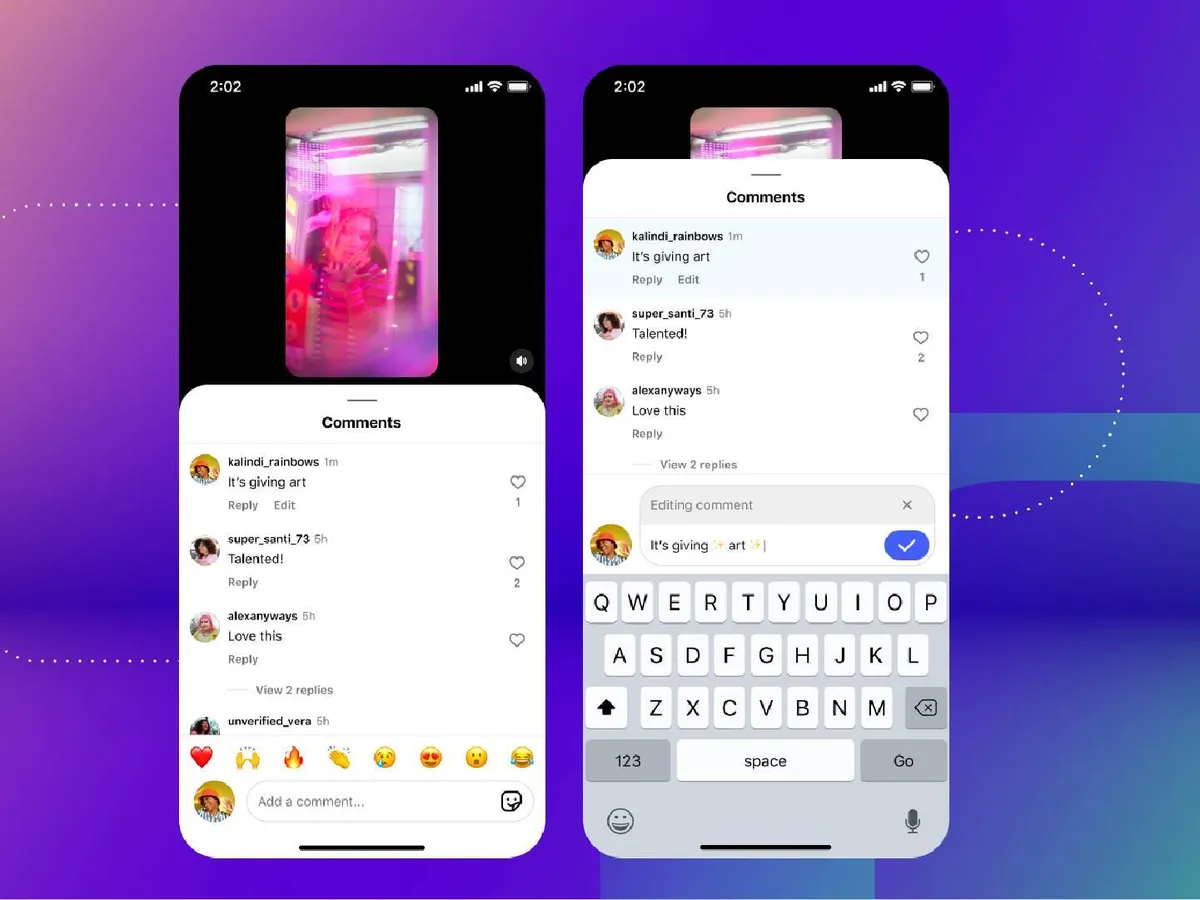
Instagram has rolled out a small but long overdue feature that users have been asking for years. You can now edit your comments after posting them. This simple change solves a very real frustration. Until now, fixing even the smallest typo meant deleting your comment and writing it all over again. That friction is finally gone. But there is a boundary. You get a 15 minute window after posting to make edits. Within that time, you can update your comment as many times as you want. There is also a layer of transparency built in. Once a comment is edited, others will be able to see that it has been modified. However, unlike platforms such as iMessage, Instagram does not show the edit history. What was originally written stays hidden.
Meta has just had one of its most important AI moments yet and the early signals are hard to ignore. Following the launch of its newest AI model Muse Spark, the company’s standalone Meta AI app surged dramatically in popularity, hinting at a much larger shift that is beginning to take shape. The release is particularly significant because it marks the first major AI model rollout under Alexandr Wang, who joined Meta to reboot its AI strategy. This is not just another incremental update. It represents a more aggressive and focused push into the AI race. According to data from Appfigures, Meta AI jumped from number 57 to number 5 on the U.S. App Store within a day of the launch. That kind of movement rarely happens without a strong underlying pull from users. It signals not curiosity but intent.
You could totally dress this up with some ankle boots and a leather jacket for evening
What about swapping the backpack for a leather tote sometimes? Would that be too formal?
The rose gold backpack is such an unexpected touch but it works so well with everything!
I would definitely swap the oxford shoes for some strappy heels when I want to dress it up even more
Join independent creators, thought leaders, and storytellers to share your unique perspectives, and spark meaningful conversations.