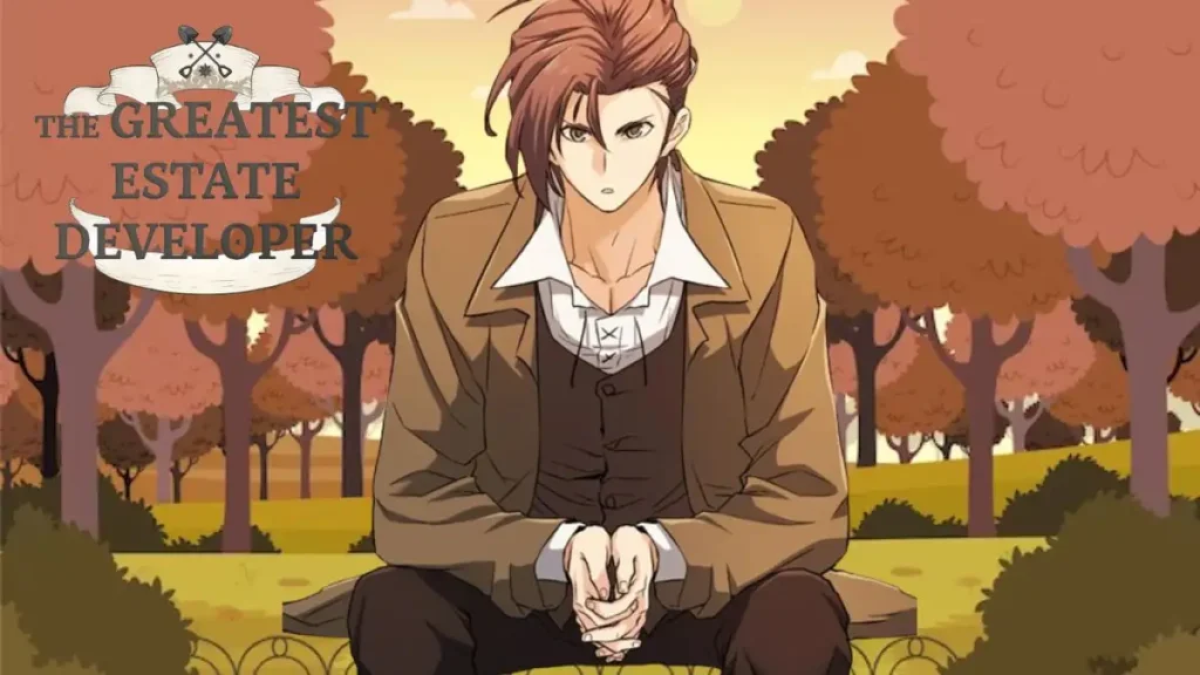
In a manhwa landscape dominated by dungeon crawling, regression narratives, and power fantasies, The Greatest Estate Developer stands out by asking a simple question: what if the protagonist's greatest weapon wasn't a sword or magic system, but civil engineering knowledge? This bizarre premise transforms into one of the most entertaining, genuinely funny, and surprisingly heartfelt series currently running, proving that innovation in storytelling comes from unexpected places.
The series takes the familiar isekai setup where a modern person finds themselves in a fantasy world and completely subverts expectations. Instead of becoming an adventurer or hero, protagonist Kim Suho uses his engineering knowledge to revolutionize construction, infrastructure, and economic development. What sounds like it should be boring becomes absolutely captivating through sharp writing, excellent comedic timing, and genuine passion for showing how infrastructure improves lives.
Despite its quality and dedicated fanbase, The Greatest Estate Developer has yet to receive an anime adaptation announcement. This feels like a massive oversight given the series' potential to attract audiences beyond typical fantasy anime demographics. The combination of comedy, heart, and genuinely educational content about engineering and economics creates something special that deserves wider recognition through animation.
The Core Premise That Shouldn't Work But Absolutely Does
Kim Suho is a civil engineering student in modern Korea who falls asleep while studying and wakes up in the body of Lloyd Frontera, the lazy, incompetent eldest son of a minor noble family in a fantasy world. Lloyd's family is deeply in debt, their estate is falling apart, and in the original novel this world is based on, the entire family gets destroyed by their creditors.
Most isekai protagonists would use their modern knowledge to become adventurers or start revolutionary businesses. Kim Suho, armed with civil engineering expertise, decides to save the Frontera family by developing their estate through construction projects. He'll build better roads, improve irrigation, create income-generating infrastructure, and systematically drag this failing estate into prosperity.
The brilliance of this premise is how it treats construction and development as genuinely exciting. The series dedicates chapters to explaining soil mechanics, structural engineering principles, and economic planning. These explanations never feel like dry textbook lessons because they're presented through the lens of problem-solving and immediate practical application.
Kim Suho approaches every project with infectious enthusiasm. He gets genuinely excited about proper drainage systems, efficient road layouts, and structural integrity calculations. This passion transfers to readers who find themselves unexpectedly invested in whether a retaining wall will hold or if a new irrigation system will increase crop yields.
The series also cleverly uses the fantasy setting to create engineering challenges impossible in the real world. How do you build on land with magical properties? How do you account for monster attacks in your structural designs? How do you incorporate magic into construction while maintaining engineering principles? These questions create unique problem-solving scenarios.
Why the Comedy Works So Perfectly
The Greatest Estate Developer is genuinely funny in ways that most manhwa struggle to achieve. The comedy comes from character interactions, situational humor, and the inherent absurdity of treating construction projects with the intensity and drama typical of life-or-death battles.
Kim Suho's personality drives much of the humor. He's enthusiastic, shameless about pursuing profit, and completely obsessed with efficiency and proper engineering. His modern sensibilities clash hilariously with fantasy world expectations. Characters expect him to solve problems through combat or magic, and he shows up with construction equipment and economic analysis.
The supporting cast plays off Kim Suho's energy perfectly. Javier, the loyal knight sworn to protect Lloyd, initially despairs at serving such an incompetent master. Watching him gradually realize that Kim Suho is actually brilliant in completely unexpected ways creates ongoing comedy. His expressions of confusion, horror, and reluctant admiration are comedy gold.
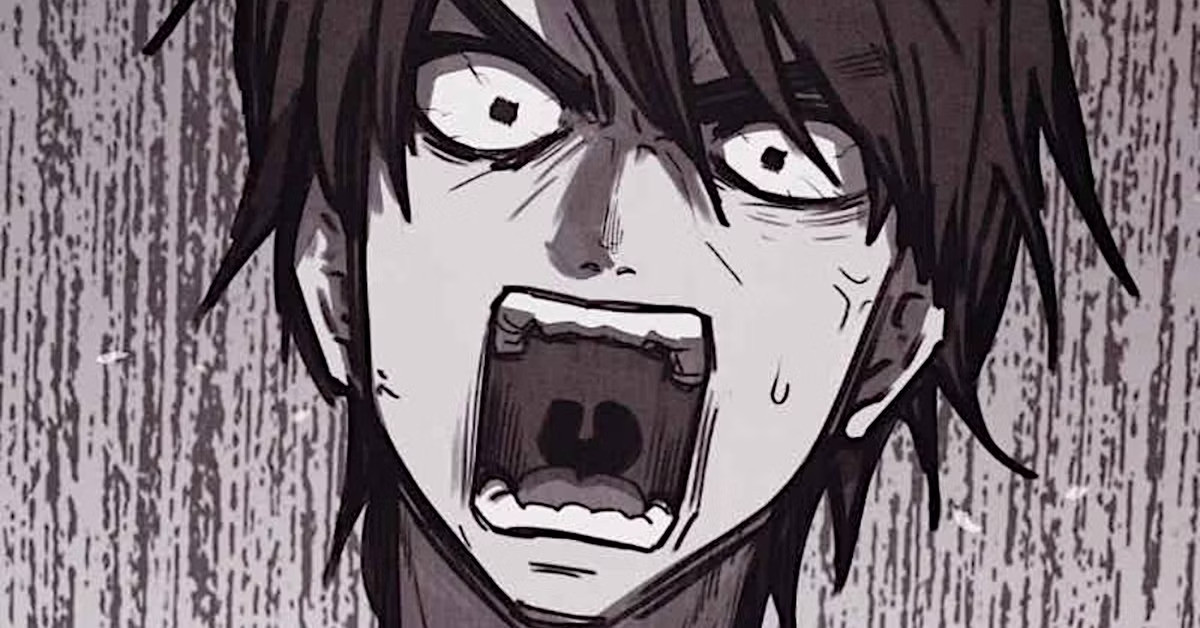
The series uses visual comedy effectively. Kim Suho's facial expressions, especially his manic grins when he realizes how to profit from a situation or solve an engineering challenge, are consistently hilarious. The art amplifies the humor through perfect comedic timing and exaggerated reactions.
There's also humor in how seriously the series treats infrastructure development. Dramatic music and intense closeups accompany revelations about construction techniques. Project completions receive the same triumphant energy as defeating powerful enemies. The tonal contrast between mundane activities and epic presentation never stops being funny.
The Unexpected Educational Value
One of The Greatest Estate Developer's most unique qualities is how it educates readers about engineering, economics, and infrastructure without feeling preachy or boring. The educational content enhances entertainment rather than interrupting it.
The series explains fundamental engineering concepts like load distribution, soil compaction, water flow dynamics, and structural integrity in accessible language. These explanations come in context of solving specific problems, making them relevant and interesting rather than abstract lectures.
Economic principles receive similar treatment. Kim Suho doesn't just build things randomly. He analyzes costs versus benefits, considers return on investment, plans cash flow management, and thinks strategically about which projects will generate the most value. Readers absorb economic thinking through entertaining narrative.
The series also shows the social impact of infrastructure development. Better roads mean easier trade and communication. Improved irrigation increases food security. Proper sewage systems improve public health. The manhwa demonstrates how engineering directly improves people's lives, making the work feel meaningful beyond simple profit.
Historical context occasionally appears, showing how real-world engineering innovations solved similar problems. The series draws inspiration from actual historical infrastructure projects, giving readers appreciation for human engineering achievements while maintaining fantasy adventure framework.
Character Development Through Construction Projects
Despite focusing heavily on buildings and infrastructure, The Greatest Estate Developer delivers genuine character growth and emotional arcs. The construction projects serve as framework for exploring relationships and personal development.
Kim Suho starts as someone primarily motivated by survival and profit. He needs to save the Frontera family to save himself, and he wants to get rich in the process. However, as he works on projects and sees how they improve lives, he develops genuine attachment to the people and land he's developing. The mercenary engineer becomes someone who cares.
His relationship with Javier evolves from mutual suspicion to genuine friendship and partnership. Javier learns to trust Kim Suho's unconventional methods while Kim Suho comes to rely on Javier's strength and loyalty. Their dynamic provides emotional core to the series alongside the comedy.
The Frontera family members each experience growth. The father learns to trust his transformed son. The parents grapple with their son's sudden competence and strange knowledge. Family dynamics shift as Kim Suho proves himself capable and the family's fortunes improve. These relationships feel genuine and earned.
Supporting characters who join the estate's development receive their own arcs. Workers, craftsmen, and specialists who contribute to projects aren't just tools but people with their own motivations, struggles, and growth. The series takes time to develop even minor characters who appear in specific arcs.
How the Series Balances Multiple Tones
One of The Greatest Estate Developer's greatest strengths is tonal flexibility. The series seamlessly shifts between comedy, drama, action, and heartfelt moments without feeling inconsistent or jarring. This balance makes it appeal to broader audience than pure comedy or pure action series.
The baseline tone is comedic and lighthearted. Most chapters include multiple laugh-out-loud moments through dialogue, situations, or visual gags. This makes the series consistently entertaining and easy to read even during slower plot periods.
However, the series isn't afraid to get serious when appropriate. Threats to the estate and family are treated with genuine tension. Character emotional moments receive proper weight. The shift from comedy to drama works because the series establishes that real stakes exist beneath the humor.
Action sequences, while less frequent than in typical fantasy manhwa, deliver satisfying spectacle when they occur. Javier's combat abilities shine during these moments. The contrast between construction-focused chapters and occasional action creates variety that keeps the pacing dynamic.
The heartfelt moments hit particularly well because they're earned through character development and genuine relationship building. When the series takes time for emotional beats about family, friendship, or the satisfaction of completed projects improving lives, those moments resonate because we've invested in the characters and their journey.
The Art Style and Visual Storytelling
The artwork in The Greatest Estate Developer serves the story perfectly, with particular strength in character expressions and visual comedy. The art enhances both the humor and the more serious moments through strong fundamentals and excellent timing.
Character designs are distinctive and expressive. Kim Suho's face becomes a canvas for comedic expressions, from manic grins to calculating smirks to shocked reactions. The artist clearly understands how to use facial expressions for maximum comedic impact.
The construction and engineering diagrams, while not always perfectly technical, convey enough information to help readers understand concepts without overwhelming them with excessive detail. The balance between accuracy and accessibility serves the educational aspects well.
Action sequences showcase solid choreography and clear spatial awareness. When Javier fights, you can follow exactly what's happening. The artist doesn't rely on motion blur or confusing angles but maintains clarity while creating dynamic movement.
The environments, particularly the estate and various construction projects, receive good attention to detail. Readers can see the estate gradually improving through background art that shows progression of various projects. This visual storytelling reinforces the narrative without requiring explicit narration.
Why An Anime Adaptation Would Work Brilliantly
The Greatest Estate Developer possesses several qualities that would translate exceptionally well to anime format. Understanding these strengths helps explain why an adaptation feels overdue and why it could succeed commercially and critically.
The comedic timing would benefit enormously from animation and voice acting. Imagine Kim Suho's manic expressions animated with perfect timing. Voice actors could add layers to the comedy through delivery, tone, and timing impossible in static panels. The humor would only get stronger in motion.
The construction sequences could be genuinely spectacular in animation. Watching buildings rise, infrastructure take shape, and landscapes transform through montages with appropriate music would create satisfying visual progression. Animation could make construction feel as epic as the series treats it.
The educational content would reach broader audience through anime. People who might never pick up a manhwa about civil engineering might watch an entertaining fantasy anime and accidentally learn about infrastructure development. The medium change could introduce these concepts to new demographics.
The episodic structure of various construction projects creates natural episode arcs. Each major project could span several episodes with clear beginning, middle, and end. This makes the series easy to adapt without awkward stopping points or rushed pacing.
The character dynamics would shine through voice acting. The banter between Kim Suho and Javier, the family interactions, and the various supporting character relationships would all benefit from skilled voice actors bringing them to life. The emotional moments would hit harder with music and performance.
Comparing to Other Unconventional Isekai
The isekai genre has seen numerous attempts at unconventional premises beyond standard power fantasy. The Greatest Estate Developer stands among the most successful executions of unusual isekai concepts.
Ascendance of a Bookworm features protagonist using modern knowledge about book production and commerce in fantasy world. Both series share educational elements and focus on building rather than fighting. The Greatest Estate Developer leans heavier into comedy while Bookworm emphasizes world-building and incremental progress.
Restaurant to Another World takes the premise of modern restaurant serving fantasy customers. Both series find drama and interest in mundane modern concepts transplanted to fantasy settings. The Greatest Estate Developer has broader scope beyond single location, allowing for larger-scale projects and conflicts.
Reborn as a Vending Machine focuses on even more absurd premise than estate development. Both series prove that commitment to bizarre concepts with genuine passion can create entertaining stories. The Greatest Estate Developer maintains more traditional narrative structure while still being unconventional.
By the Grace of the Gods features protagonist using modern knowledge about magic and slimes to improve life in fantasy world. The wholesome tone and focus on improvement over conflict creates similar appeal. The Greatest Estate Developer adds stronger comedy and larger-scale ambitions to similar foundation.
The Target Audience and Market Potential
Understanding The Greatest Estate Developer's potential audience helps explain why adaptation makes commercial sense. The series appeals across multiple demographics that don't always overlap in typical fantasy anime.
Engineering and construction enthusiasts represent a niche but passionate demographic. People who work in or study these fields would appreciate seeing their profession portrayed positively and accurately in fantasy context. This built-in audience might not typically watch anime but could be drawn in by unique premise.
Comedy fans seeking genuinely funny series would find strong appeal. The comedy is sharp, consistent, and doesn't rely on tired jokes or uncomfortable content. The series proves fantasy comedy can be sophisticated while remaining accessible and entertaining.
Viewers tired of combat-focused isekai but who still enjoy fantasy settings would appreciate the different approach. The series offers fantasy adventure without requiring constant battles or power escalation. Success through intelligence and planning appeals to audiences seeking alternatives to power fantasy.
Family-friendly content seekers would find The Greatest Estate Developer suitable for wider age ranges than many fantasy series. The comedy is clean, the themes are positive, and the educational content adds value. This makes it potentially viable for different time slots and marketing approaches.
The series also has crossover potential with audiences who enjoyed Dr. Stone's focus on science and rebuilding civilization. Both series celebrate human knowledge and ingenuity while making education entertaining. The Greatest Estate Developer could capture similar demographic with fantasy twist.
Potential Challenges in Adaptation
While The Greatest Estate Developer would make an excellent anime, adaptation isn't without challenges. Understanding potential pitfalls helps appreciate what the production team would need to navigate successfully.
The pacing might need adjustment for anime format. Manhwa can take time explaining engineering concepts across multiple panels. Anime needs to maintain momentum while preserving educational content. Finding balance between explanation and entertainment requires careful scripting.
The construction sequences need to avoid becoming boring despite being central to the story. Animation quality and direction will be crucial for making infrastructure development visually engaging. Poor execution could make these sequences feel like filler despite being core content.
The comedy relies heavily on timing and expression. If the voice acting or animation timing feels off, jokes that work perfectly in manhwa could fall flat. Casting and direction need to understand the specific comedic style and execute it properly.
Budget constraints could limit the spectacle of construction projects. If the animation can't convincingly show buildings rising and landscapes transforming, the satisfaction of completed projects diminishes. The series needs decent production values to fully realize its potential.
Marketing the series effectively presents challenges. How do you advertise an isekai about civil engineering to general audiences? The promotional materials need to convey the comedy and adventure alongside the unusual premise without making it sound boring or too niche.
What the Series Says About Progress and Improvement
Beyond entertainment and education, The Greatest Estate Developer explores meaningful themes about progress, improvement, and how human ingenuity can solve problems and improve lives. These themes give the series surprising depth.
The series celebrates incremental progress and systematic improvement. Kim Suho doesn't fix everything overnight with magic solutions. He identifies problems, plans carefully, executes projects properly, and builds on successes. This models realistic problem-solving and shows satisfaction in gradual improvement.
There's also exploration of how infrastructure development affects communities. Better roads don't just make travel easier but improve trade, communication, and quality of life. Proper sewage systems prevent disease. Irrigation systems ensure food security. The series shows concrete ways engineering improves human welfare.
The importance of planning and preparation receives consistent emphasis. Kim Suho succeeds not just through knowledge but through careful planning, resource management, and thinking ahead. The series suggests that success comes from preparation and systematic thinking rather than luck or raw talent alone.
The theme of using knowledge for positive change resonates throughout. Kim Suho could use his modern knowledge purely for personal gain, but he finds greater satisfaction in improving the estate and helping people. The series suggests that using abilities to benefit others brings more fulfillment than selfish pursuits.
Final Thoughts on Why This Series Needs Wider Recognition
The Greatest Estate Developer represents exactly the type of creative, well-executed series that deserves mainstream success through anime adaptation. It offers something genuinely different while remaining accessible and entertaining. The combination of comedy, heart, education, and positive themes creates package that could appeal far beyond typical manhwa readership.
For readers who haven't tried the series yet, it's absolutely worth your time. Don't let the civil engineering premise fool you into thinking it's dry or boring. This is one of the funniest, most charming fantasy series currently running. The passion for its subject matter shines through every chapter.
The educational content adds value without feeling like homework. You'll learn about engineering and economics while being thoroughly entertained. The series proves that education and entertainment aren't opposing goals but can enhance each other when handled skillfully.
The character work and emotional beats give the series heart beyond the comedy and construction focus. The relationships feel genuine, the growth feels earned, and the satisfying moments of completion and success resonate emotionally because we've invested in the characters and their goals.
An anime adaptation would bring this wonderful series to audiences who might never discover it otherwise. The potential for mainstream success exists if handled properly. The series has everything needed: comedy that works across cultures, positive themes that appeal broadly, educational content that adds value, and enough action and adventure to satisfy fantasy fans.
Until an official adaptation announcement comes, the manhwa continues delivering consistent quality and entertainment. But one can hope that studios recognize the potential here and give The Greatest Estate Developer the anime treatment it deserves. When that happens, audiences worldwide will discover what manhwa readers already know: sometimes the most entertaining adventures involve building things rather than destroying them, and civil engineering can be absolutely thrilling in the right hands.
Honestly the series works BECAUSE the premise sounds ridiculous. If you describe it to someone with a straight face they'll think you're joking and then they read three chapters and can't stop.
The article makes a great point about it appealing beyond typical fantasy demographics. My mom does not watch anime at all and got hooked just from me explaining the premise to her.
What other series even comes close to this premise right now? Kingdom building manhwa exist but none of them treat construction itself as the main event the way TGED does.
If a good studio picks this up with a real budget and care for the source material this could genuinely be one of the best anime of whatever year it airs.
The smart protagonist thing works better here than usual because his intelligence is domain specific. He's a genius at engineering and economics but the series doesn't pretend he's good at everything else.
What studio would even be the right fit for this? Something comedy focused with strong character animation. The faces have to be right or the whole thing falls apart.
The King of Hell setup is great and the final season premise is wild. A full scale war against Hell being led by a guy whose main skill is building roads is peak storytelling.
Cautiously optimistic is where I land on the adaptation prospect. The potential is obvious but there have been too many cases of beloved webtoons getting mediocre treatments to get fully hyped yet.
The thing the article gets most right is that the educational content would reach broader audiences through animation. Seeing a building actually constructed in a montage hits differently than reading panels.
Counter to the pacing concern above, I think the slow explanations are actually part of the charm. It trusts the reader to be interested in the details, which is rare.
The series doing well as an anime could also open doors for other non combat isekai to get adaptations. The genre really needs more variety and TGED could be the one that breaks the mold.
The comedy and drama balance in this is better than shows that try to be prestige dramas, which is a wild thing to say about a manhwa where the protagonist gets excited about proper road grading.
The comparison to One Punch Man is honestly accurate. The comedy works the same way, where the absurdity comes from treating mundane things with completely disproportionate seriousness.
Word of mouth has been the whole engine for this series from the start. No massive marketing push, just people reading it and immediately wanting to tell someone.
As someone who came into this through manga and eventually moved to manhwa, TGED is the series I recommend to people who are burned out on typical fantasy power fantasy stuff. It hits different.
The article is right that this could reach demographics beyond typical anime audiences. The engineering enthusiasm and economic problem solving genuinely have crossover appeal.
The article calls the lack of an anime announcement a massive oversight and honestly that framing is correct. This is one of the most obvious adaptation candidates out there right now.
Not to be the skeptic here but plenty of great webtoons have been stuck in adaptation limbo for years. Quality alone doesn't guarantee anything gets made.
My only concern with an anime adaptation is pacing. A lot of the humor lives in facial expression panels and the slow build of a comedic beat. Bad pacing would absolutely kill what makes Lloyd so funny.
Every time I try to explain why I love this series to someone who doesn't read manhwa I say it's about a guy who saves a noble family through construction projects and they give me a look. Then they read it and text me three hours later.
The article undersells how good the action sequences actually are when they happen. Because they're infrequent they feel genuinely impactful and Javier's combat scenes hit hard.
The fact that it has over 180 chapters of completed content already and the web novel is fully finished means an adaptation team would have everything they need. No rushing, no anime original endings.
Lloyd's faces alone justify an anime adaptation. Animated with proper timing and voice acting those expressions would become instant meme material across the entire community.
As someone who never reads manhwa but got recommended this by three different people in the same week, the fanbase is clearly doing something right with word of mouth.
As a counterpoint to all the hype, the series does lean heavily on Lloyd being the smartest person in every room. That can get a little exhausting over 180 plus chapters.
The webtoon literally just wrapped up its second season and is heading into its final arc. There has never been a better moment for a studio to greenlight this adaptation.
The article is overselling it a bit. The middle chapters do drag in places and some of the construction arc explanations go on longer than they need to.
Respectfully disagree. The engineering problem solving is the core identity of the series. Take that away and it's just another smart protagonist manhwa.
What really makes this different from other comedy isekai is that the comedy never undercuts the actual narrative stakes. When things get serious the jokes stop and the series earns it.
Slime reincarnation has similar town building vibes but the tone is completely different. TGED is much more comedic and the protagonist is far more aggressively profit motivated.
People always focus on Lloyd but the side characters who join the estate development, the workers and craftsmen and specialists, are genuinely well written. The series takes time with them in a way most action manhwa never would.
This is an important broader point. Right now anime isekai means power levels and dungeon crawling almost exclusively. A successful TGED adaptation could genuinely shift what gets greenlit.
The infrastructure arc where Lloyd redesigns the entire estate layout for maximum economic efficiency is the chapter where I went from liking this to being fully obsessed.
The tonal flexibility is what keeps me coming back. It can be laugh out loud funny in one chapter and then genuinely emotional the next without it ever feeling cheap or manipulative.
The economic planning arc where Lloyd figures out which projects generate the most downstream value is honestly more engaging than most battle arcs in other series.
Still waiting for someone to officially license the physical volumes in more markets. Seven volumes collected and they're not easy to get in a lot of places.
Javier's entire character arc is criminally underrated in these discussions. He starts as this despairing loyal knight and slowly becomes the funniest straight man in all of manhwa.
Webtoon has been ramping up its anime adaptations recently with multiple titles announced, and TGED keeps getting mentioned as the one fans most want to see get the same treatment.
The series being in its final arc right now actually makes the anime case stronger. You can announce an adaptation, build hype, and have a clear endpoint to market toward.
That's fair, but there's a real difference now. Webtoon adaptations have been accelerating noticeably since Solo Leveling proved there's a massive global market for this content.
The manhwa is generally considered the better version since the art really amplifies the comedy. The facial expressions and visual timing add so much that the novel can't replicate.
Both of you are right. They work together. The engineering creates problems and the economics decides priorities. Neither works as well without the other.
Speaking from experience as someone who teaches economics at a secondary level, the way this series illustrates cost-benefit thinking and return on investment is more intuitive than half the textbooks I use. It's remarkable.
My hot take is that Javier is actually the best character in the series and Lloyd only works as well as he does because of how Javier reacts to everything.
The Frontera family dynamics are what surprised me most. The parents reacting to their suddenly competent and strange son provides so much quiet emotional material.
The webtoon having a satisfying ending confirmed is a huge deal for anyone nervous about committing to a long series. Go in knowing it sticks the landing.
Hot take, the economics content is more interesting than the engineering content. Watching Lloyd think through market dynamics and capital allocation is the real hook.
No anime announcement as of now, but with the webtoon entering its final season, people are saying the timing is basically perfect for a studio to step in. The source material is nearly complete which makes it a much safer investment.
The profit motivation is actually part of what makes Lloyd likable rather than annoying. He's honest about wanting to get rich but you see him genuinely care about the people around him as the series progresses.
As someone who works in civil engineering, the fact that this series makes drainage systems and soil compaction genuinely exciting is something I never thought I'd say about a manhwa. My coworkers think I've lost it because I keep recommending it.
Starting this because my friend would not stop talking about it. Three chapters in and Lloyd's reaction to calculating profit margins from a drainage project genuinely made me laugh out loud.
A proper anime adaptation needs to nail the background art showing the estate improving over time. That slow visual progression of the land transforming is a huge part of what makes completing each project feel satisfying.
The educational content angle is real and I don't think people talk about it enough. This is one of the few series where I actually looked up real historical engineering projects after reading a chapter.
The article mentions the fantasy engineering challenges like building on magical land and accounting for monster attacks in structural design. This part of the series is so underrated. It actually engages with world building in a way most isekai just skip.
The series being compared to Delicious in Dungeon makes total sense. Both have this energy where the main character is obsessively enthusiastic about something most people wouldn't care about.
As a huge fan of Delicious in Dungeon, the comparison to that series in terms of comedic niche fits perfectly. Both use the fantasy setting to explore something completely unexpected with genuine passion.
Civil engineering student here. The series is not perfectly accurate on technical details but it gets the mindset right. The satisfaction of solving a structural problem is captured really well.