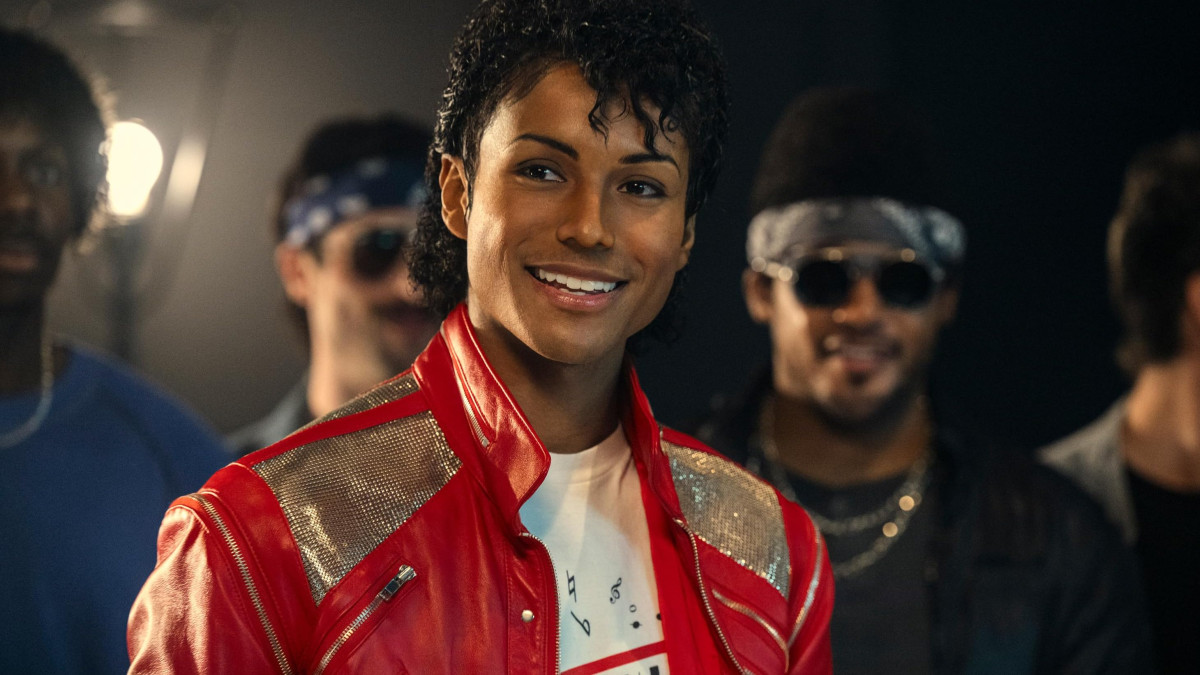
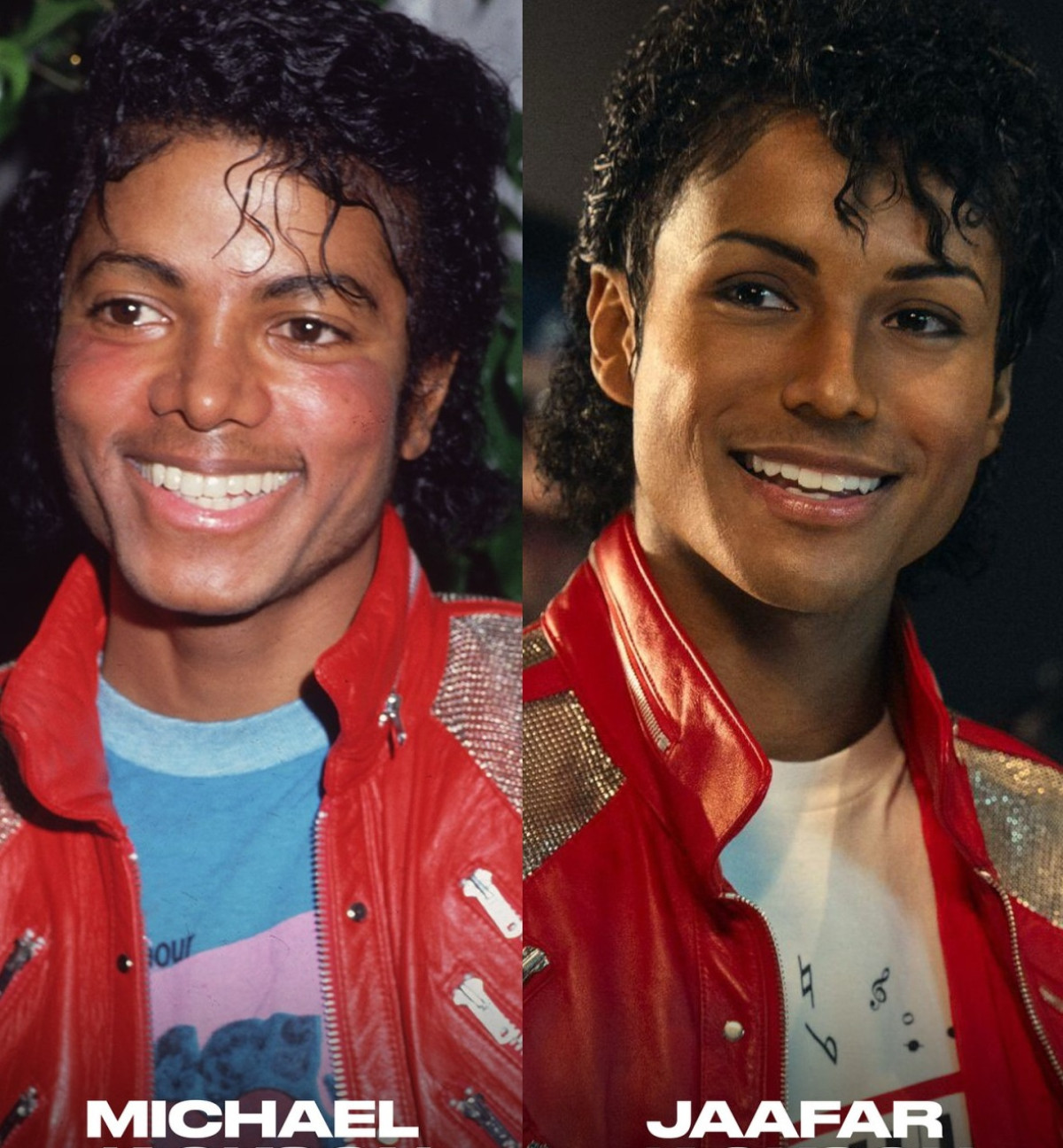
The Michael movie review verdict is in, and it is more complicated than the 26% Rotten Tomatoes score suggests. Antoine Fuqua's long-delayed Michael Jackson biopic, simply titled Michael, hit theaters this weekend with Jaafar Jackson playing his late uncle, and the critical response has been brutal. The BBC gave it one star. Roger Ebert's site called it a filmed playlist in search of a story.
Yet early audience reactions on social media have been warmer, ticket pre-sales suggest an $80 million opening, and Variety thought it worked as an engrossing middle-of-the-road biopic. After tracking coverage across more than a dozen outlets over the past 48 hours, I think the honest answer to "should you watch this?" depends almost entirely on what you want from a music biopic, and this guide breaks down exactly what the film delivers, what it skips, and who will actually enjoy sitting through its two-hour-and-nine-minute runtime.
What the Michael Movie Is Actually About
Michael is a 2026 American musical biographical drama directed by Antoine Fuqua, who previously made Training Day and the Equalizer trilogy, and written by Gladiator scribe John Logan. The film covers Michael Jackson's life from the Jackson 5 rehearsals in the family's Gary, Indiana living room in 1966 through his solo breakthrough, with an epilogue set during the 1988 Bad World Tour. Jaafar Jackson, the 29-year-old son of Jermaine Jackson, plays the adult Michael in his acting debut, with Juliano Krue Valdi as the young Michael. The supporting cast is loaded: Colman Domingo as Joseph Jackson, Nia Long as Katherine, Miles Teller as attorney John Branca, and Kendrick Sampson as Quincy Jones.
The production history matters because it explains the final cut. The film was originally greenlit at $155 million and was supposed to open in April 2025. After Lionsgate discovered that a 1993 settlement clause legally barred them from depicting accuser Jordan Chandler, the entire third act had to be reshot, pushing the budget to roughly $200 million and the release back a full year. What was once a framing device beginning with police raiding Neverland Ranch became a sanitized career-highlights reel ending before any allegations surfaced. Understand that before you buy a ticket: the movie you are about to watch is not the movie that was written.
What Critics Got Right About the Michael Biopic
The critical consensus is worth summarizing because headlines have been flattening it. The Rotten Tomatoes score sits between 26% and 33% depending on when you check, with Metacritic at 38. Inside those numbers, reviewers are aligned on two points. First, Jaafar Jackson's performance is a genuine revelation. Second, the film around him is structurally timid to the point of feeling dishonest. That is the through-line from Variety to Empire to the BBC to The Guardian to RogerEbert.com.
The BBC's Nicholas Barber was the harshest, giving the film a single star and calling it barely competent. Empire's two-star review labeled it a cosplay tribute with no artistic point of view. The Guardian's Peter Bradshaw, also at two stars, wrote that Jaafar fabricates the onstage style with intuitive flair while the film itself remains frustratingly shallow and inert. On the warmer end, Variety's Owen Gleiberman described it as a surprisingly effective middle-of-the-road biopic, essentially an '80s TV movie with sharper acting. Even the positive reviews come with that kind of hedged language, which tells you something.
The Michael Movie Pros Worth Knowing About
There are real reasons to buy a ticket. Jaafar Jackson is, by every critical account, astonishing in the role. Reviewers from outlets that hated the movie still singled out his command of the moonwalk, the robot, the spin, the toe stand, and the mixture of fluidity and snappy angularity that defined Jackson's stage presence. The film wisely uses Michael's original vocals blended with Jaafar's and Juliano Valdi's singing, which means the musical numbers are both technically authentic and visually uncanny.
The set pieces are the other genuine selling point. The Motown 25 moonwalk debut, the Thriller music video shoot, the Beat It gang reconciliation, and the Bad tour finale have been staged with serious production resources and choreographed by the Talauega brothers, who worked with Michael in real life. If your reason for buying a ticket is two hours of immersive, theater-sized Michael Jackson performance, that part of the transaction will be honored. Consequence's review, otherwise negative, conceded that Fuqua's direction during the musical moments keeps things simple and clean with wide shots that never hide the dancing. That is a meaningful craft achievement.
Colman Domingo's work as Joseph Jackson is the third pro, though with an asterisk. Most critics agree Domingo is doing committed, forceful work, even if the screenplay reduces the character to a one-note villain. His scenes with young Juliano Valdi, including the physical abuse sequences, are reportedly the emotional high points of the first act. For a general audience watching on a Friday night, a charismatic lead plus thrilling musical numbers plus a movie-star supporting turn is often enough.
The Michael Movie Cons You Should Weigh Carefully
The problems are structural, not fixable through repeat viewings, and they are why most critics cannot recommend the film. The most frequently cited issue is that the story stops before the story got interesting. By cutting every reference to the 1993 and 2003 allegations and ending in 1988 rather than 2009, the film removes the defining tension of Michael Jackson's public life. What remains is a greatest-hits reel narrated as if success were predestined. Empire put the criticism bluntly: in its ploddingly boring biopic-by-numbers way, Michael's career is presented as finding no friction whatsoever.
The second problem is tonal. Because the screenplay cannot acknowledge the allegations, several scenes read as unintentionally awkward to any viewer who knows Jackson's full biography. The moments where Michael obsessively reads Peter Pan, kisses his pet llama, plays Twister with a CG chimpanzee, or visits pediatric hospital wards are presented as pure whimsy. Empire called these sequences surreal and uncomfortable. Deep Focus Review went further, arguing the CG animals behave like carryovers from the 2019 Lion King remake. The film wants these scenes to be charming. For many viewers, they will not land that way.
The third problem is pacing. At 129 minutes, the movie attempts to cover the first 26 years of Jackson's life and nearly two decades of his career. IndieWire's C-minus review flagged this directly: the leaps of time required to hit every milestone err heavily on the side of boring. This was originally a three-and-a-half-hour film that Lionsgate briefly considered splitting into two parts. The theatrical cut is what happens when a four-hour vision gets compressed and a completely new ending gets bolted on after reshoots. It shows.
Who Should Actually Watch the Michael Biopic in Theaters
This is the practical question most people searching for a Michael movie review are really asking. The answer divides along three lines. If you are a dedicated Michael Jackson fan who wants to experience the hits staged cinematically, buy the ticket. You will get what you came for, and the flaws critics describe will matter less to you than they do to a reviewer watching their fifth biopic of the year. Based on the volume of positive social media reactions from self-identified fans, this is the audience the film was built for.
If you are a casual moviegoer choosing between Michael and another option this weekend, the calculus is harder. You will probably enjoy the musical numbers and be frustrated by the narrative thinness between them. Consequence described this experience as watching a greatest-hits concert wedged inside a Wikipedia entry. If that sounds fine, go. If you need a movie to build dramatic momentum, skip it and wait for streaming.
If you are specifically interested in Michael Jackson as a cultural figure and wanted a serious reckoning with his legacy and the allegations against him, this is not that film and will actively disappoint you. Multiple critics noted the epilogue card reading "His story continues" as an implicit promise of a sequel, though Antoine Fuqua has not confirmed one. Based on the producers involved and the estate's ongoing approval requirements, most reviewers expressed doubt that a second film would handle the material any differently.
Michael Movie Box Office and What Happens Next
The commercial story is worth watching even if you do not plan to see the movie. Early tracking had Michael opening between $55 million and $90 million domestically, which would challenge or beat the record held by Bohemian Rhapsody at $51.5 million for a musical biopic. The film's teaser became the most-viewed music biopic trailer in history with 116 million views in its first 24 hours. The question is whether the 26-33% critic score and mixed word-of-mouth will compress the run or whether built-in fan demand carries it through.
Lionsgate reportedly hopes for at least $700 million worldwide, which would require Bohemian Rhapsody-level legs rather than a front-loaded opening. Given Bohemian Rhapsody had a 61% Rotten Tomatoes score and still grossed $910 million, it is not impossible, but it is not likely either. The more probable outcome is a strong opening weekend driven by fans, followed by a sharp second-weekend drop as bad word spreads. If you want to see the movie in its intended format, the first week is probably when to go.
Frequently Asked Questions About the Michael Biopic
Does the Michael movie cover Michael Jackson's abuse allegations?
No. The film ends in 1988 with the Bad World Tour, years before the 1993 allegations surfaced. According to Variety, the original script opened in 1993 with police raiding Neverland Ranch, but attorneys for the Jackson estate discovered a clause in Jordan Chandler's 1993 settlement that legally barred any film from depicting or mentioning him. The entire third act was reshot over 22 days in June 2025 at a cost of $10-15 million, funded by the estate because the legal oversight was theirs.
How long is the Michael movie runtime?
The theatrical cut runs two hours and nine minutes and is rated PG-13. An earlier cut reportedly ran three and a half hours, and Lionsgate considered releasing the film in two parts. The final single-film version is significantly condensed from the original vision.
Is Jaafar Jackson actually singing in the Michael movie?
Partially. The film uses Michael Jackson's original vocals as the primary track, blended with Jaafar Jackson's voice and Juliano Krue Valdi's for the child Michael. The musical numbers feature authentic Jackson recordings while allowing on-screen performers to lip-sync and dance convincingly.
Will there be a Michael movie sequel?
No sequel has been officially confirmed, though the film ends with the tagline "His Story Continues" and producer Graham King previously told CinemaCon he wanted to turn Michael into a two-part story. Whether Part II would address the allegations the first film avoided remains an open question, with most critics skeptical the Jackson estate would approve such content.
Where can I watch the Michael movie in 2026?
The film released in US theaters on Friday, April 24, 2026, distributed domestically by Lionsgate and internationally by Universal Pictures. It premiered in Berlin on April 10, 2026. No streaming release date has been announced, but based on standard Lionsgate theatrical windows, an on-demand release is likely 45-75 days after theatrical debut.
The Final Verdict on the Michael Jackson Biopic
Here is the honest summary for a balanced Michael movie review: the film delivers exactly what its approved production mandate allowed it to deliver, which is a handsomely staged, musically faithful, narratively timid celebration of Michael Jackson's first 26 years. Jaafar Jackson's performance is genuinely extraordinary and probably worth the ticket price on its own if you are a fan. The surrounding movie is a compromise document, and everyone involved seems to know it. The 26% Rotten Tomatoes score is not an exaggeration, but it is not the whole story either. Your enjoyment will depend almost entirely on whether you walked in wanting a biography or a tribute concert with dialogue between the songs.
If you decide to go, go for Jaafar. Go for the musical set pieces. Go because you want to see Thriller, Billie Jean, and Beat It performed on a theater screen with good sound. Do not go expecting the definitive cinematic reckoning with Michael Jackson's life. That movie does not exist yet, and based on who controls the rights, it may never exist. The Michael biopic 2026 is the movie we got. Whether it is the movie you want is a question only you can answer.
The original recordings are such a massive advantage for this production. Hearing Billie Jean or Beat It as they were actually recorded, coming out of a proper theater system, is something no unauthorized biopic could replicate.
Jaafar is genuinely unreal in this. I went in expecting a reasonable impression and walked out believing I had actually watched Michael Jackson perform. That alone makes it worth the price of admission for me.
The Michael movie streaming release date is what I am most curious about now. I do not go to theaters often but this seems like the kind of film that loses something significant on a TV screen.
That gap is not unusual for populist films but I think both things can be true simultaneously. The critics are right that the film is structurally dishonest. The audiences are right that it is emotionally satisfying. These are not contradictory conclusions.
Reminds me of when I saw the Freddie Mercury biopic opening weekend with a crowd of Queen fans who had been waiting decades for that film. The collective energy in the room made it feel like a much better movie than it probably was on its own merits. Expecting the same effect here.
He was probably working with significant constraints from the estate and from Lionsgate. Blaming Fuqua entirely feels unfair when the whole production was structured around what could not be shown.
As someone who grew up with Thriller literally being the first album I ever owned, the idea of sitting in a theater and watching the video shoot scene recreated at full scale is making me emotional before I have even bought a ticket.
The communal viewing experience is real and it matters. A film like this in a sold out theater full of fans hits completely differently than watching it alone at home three weeks later.
I keep coming back to the Motown 25 moonwalk scene. If they get that single sequence right, and by all accounts they do, that is a moment that can carry an entire theater for days. Some film moments are bigger than the movie they live in.
At the end of the day the question of whether the Michael Jackson biopic is worth watching in 2026 depends entirely on what you want from it. Emotional nostalgia and spectacular performance craft, absolutely yes. A serious biographical reckoning with one of the most complicated figures in pop history, look elsewhere.
Based on reviews from people who did not love the film overall, even the skeptics say his acting is genuinely strong, not just physical mimicry. The scenes where young Michael interacts with Joe apparently carry real emotional weight and that requires more than just knowing the moonwalk.
Hot take incoming. The 26 percent on Rotten Tomatoes is actually more damning for the critics consensus system than it is for the film. When audience scores come in at 80 plus and critical scores are sub 30, something is misaligned.
From what reviewers mention, Katherine is a supporting presence rather than a developed character. The film seems most interested in the Michael and Joe dynamic and most other relationships get compressed. Another casualty of a four hour film being cut to two.
A part two that addresses the allegations head on would be commercially radioactive and the estate would never approve it. The His Story Continues tagline is either wishful thinking or the most optimistic end card in cinema history.
The decision to present the Pepsi burn as a triumph of willpower rather than the beginning of a serious addiction is exactly the kind of choice that makes this film feel like PR rather than art.
Just noticed the article mentions the film covers through the 1988 Bad World Tour. Does that mean the Victory Tour and the Pepsi era are included or does it jump over parts of the early 80s?
Does the Michael biopic include the Pepsi commercial accident and the hair fire incident? That always seemed like a pivotal moment in his later history.
The problem with judging this film purely on emotional nostalgia is that it lets studios keep making these sanitized authorized biopics with no accountability. At some point audiences deserve the real story.
Worth noting that the teaser for this film became the most watched music biopic trailer in history in its first 24 hours. Whatever critics say, the cultural appetite for this story is enormous.
It skips them completely. The film ends in 1988 with the Bad World Tour. There was apparently a whole different third act involving the 1993 investigation but it got reshot after a legal clause in a settlement was discovered. So you're getting the career highlights version, full stop.
Strongly recommend IMAX or at least a premium large format if you can swing it. The concert sequences were clearly shot with that format in mind and the sound design on the original recordings is extraordinary when the theater system is doing its job.
Last year I went to the Michael Jackson ONE show in Vegas and left thinking nothing could ever replicate what he actually was as a performer. Based on what people are saying about Jaafar, I may have spoken too soon.
Watching the trailer on repeat because I cannot believe how much Jaafar looks and moves like his uncle. The genetics at work there are genuinely eerie.
Bohemian Rhapsody has the edge for casual viewers because it at least has a narrative arc that builds to something. Michael is more of a front loaded visual experience where the drama runs out of runway before the third act.
Or just watch both and sit with the discomfort of holding two things that are true at the same time. That is basically the Michael Jackson experience in a nutshell.
A lot, apparently. The original vision was closer to four hours and Lionsgate considered releasing it as two separate films. What ended up in theaters is reportedly the compressed version plus a completely new ending that was bolted on after the reshoots. The pacing issues critics keep mentioning make a lot more sense in that context.
Honestly I wish they had gone with the two part release. Part one covering the Jackson 5 years through Thriller, part two handling the Bad era through 2009. There is enough material for two strong films if someone is allowed to actually tell the full story.
What I keep wondering is whether a genuinely honest Michael Jackson biopic could ever be commercially viable or whether the combination of estate control, legal risk, and fan expectations makes a real reckoning structurally impossible to finance.
If the concert sequences are your main reason for going, opening weekend in a good theater is probably worth it. If you are mainly interested in the biographical story, the streaming version will serve you just as well and the reviews suggest the narrative is thin enough that you will not feel like you missed a cinematic event by waiting.
He is doing the dancing. The Talauega brothers, who actually worked with Michael, choreographed everything, and by all accounts Jaafar trained for years specifically for this role. No stunt double situation, which makes the performance even more impressive.
The runtime is listed at two hours and nine minutes but I have seen reports that an earlier cut was over three and a half hours. How much story got left on the floor?
The original script apparently opened with the 1993 Neverland Ranch raid. Someone at Lionsgate then discovered that a clause in Jordan Chandler's settlement legally prevented any film from depicting him. The entire ending had to be rebuilt from scratch over 22 days of additional photography. That is why the movie ends in 1988 instead of 2009.
Critics have not singled him out much either way which probably means he does solid work without the script giving him much to do. The Quincy relationship seems like it was compressed significantly from the original cut.
Antoine Fuqua is an interesting choice in retrospect. Training Day is one of the most morally complex films of the 2000s. Watching him direct something this deliberately toothless has to sting a little.
Standard Lionsgate window is somewhere between 45 and 75 days after theatrical debut. So probably sometime in July if you want to wait for home viewing, but the musical sequences were clearly made for a large screen and a serious sound system.
Based on reviews it seems to cover the major milestones in sequence, including Off the Wall, the Thriller era, the Victory Tour, and Bad. The compression issue is more about the connective tissue between those moments rather than skipping entire chapters.
Bohemian Rhapsody had a 61 percent on Rotten Tomatoes and made nearly a billion dollars. A 27 percent score means absolutely nothing to the people who are going to fill those seats opening weekend.
Having spent a lot of time studying how live performance translates to film, I can say that the Talauega brothers choreographing those sequences with someone who actually understands the movement vocabulary made a genuine difference. Those scenes will hold up.
Saw an early screening last night and the Beat It sequence had the whole theater reacting out loud. Whatever you think about the rest of it, those musical set pieces are staged at a level I have genuinely not seen in a music biopic before.
Colman Domingo as Joe Jackson is doing the most interesting dramatic work in the entire film and the script barely gives him room to breathe past the first act. What a waste.
It is rated PG-13. The physical abuse scenes are present and reportedly quite powerful, so probably not for very young kids, but for teenagers who are Michael Jackson fans it sounds like it would be fine. The film does not shy away from Joe's behavior in the early sections.
This is exactly what I was afraid of when they announced the Jackson estate was involved in production. Every cloying scene has their fingerprints all over it.
The musical numbers being shot with wide angles that actually show the dancing is such a basic competency and yet so many biopics mess it up. At least they got that right.
The comparison to Elvis 2022 is interesting to me. That film also had a very stylized surface, Baz Luhrmann basically turned it into a fever dream, but at least it had an antagonist and a real narrative spine. Michael just kind of floats from milestone to milestone.
Elvis had Austin Butler doing essentially the same thing Jaafar is doing, which is inhabiting the physical presence of an icon convincingly. The difference is the filmmakers around Butler were actually trying to say something.
As someone who follows music biopics pretty closely, the structural problem here is that the whole genre has a built in tension between hagiography and honesty, and most estate controlled projects land on the wrong side of it. Michael is just the most expensive example so far.
The Colman Domingo scenes with young Michael in Gary, Indiana are reportedly the dramatic high point of the entire movie. Which means the film peaks in the first forty minutes and then slowly coasts. That is a structural problem no amount of good dancing fixes.
Back when I was really deep into music biography reading, the pattern of estate controlled stories always ending right before the complicated parts became a genuine frustration. It happened with other artists too. Michael just has the highest stakes version of that problem.
Is Jaafar Jackson a good actor or is he mostly just a good dancer who resembles his uncle? Genuinely asking because it matters for whether the dramatic scenes work.
I mean, did anyone actually expect anything different? The estate has been controlling the narrative for seventeen years. A sanitized greatest hits reel was always the most likely outcome.
Yes it is in the film. Reviewers mentioned the scene is presented as a driver of his determination rather than the start of his painkiller issues, which is the sanitized version of events, but the incident itself is depicted.
Went opening night with a group of friends in their 40s and 50s who grew up with this music. We all agreed it is the most fun we have had at the movies in years despite every flaw the critics describe being accurate. Know your audience.
Went with my mom who has been a Michael Jackson fan since the Off the Wall era. She was crying before the Thriller sequence even started. For her generation this film is essentially a religious experience.
Michael movie vs Bohemian Rhapsody as a music biopic experience. Which one would you actually recommend to someone who is not already a hardcore fan of either artist?
Probably impossible with estate involvement. Someone would have to make an unauthorized version and that seems unlikely given the music licensing situation. Without the original recordings this is a different film entirely.
This is the clearest possible example of why critic scores and audience satisfaction are measuring completely different things and why both metrics are legitimate depending on what you are looking for.
Same. I do not need this film to be Citizen Kane. I need it to make me feel twelve years old again for two hours and by all accounts it will do exactly that.
Just bought tickets for Friday. Going in expecting a spectacular concert film with a thin story wrapped around it and I am fine with that. Managing expectations is the key to enjoying most movies.
Hot take but estate approved biopics should just be banned as a concept. You cannot make a serious film about a complicated artist when the family controls what goes in.
The fact that they are already hinting at a sequel with that His Story Continues card while simultaneously having no confirmed plans for a second film is a very strange creative choice. Either you have a sequel or you do not.
26 percent on Rotten Tomatoes and tracking for a 150 million dollar worldwide opening. Critics have completely lost touch with what general audiences actually want from a film like this.
Anyone else find it odd that the leaving Neverland documentary has apparently been pulled from streaming while this gets a 200 million dollar theatrical release? The two things feel connected in a way that deserves more discussion.
If you told me two years ago that the son of Jermaine Jackson would deliver what might be the performance of the year in a troubled biopic, I would have assumed the worst. Jaafar genuinely seems to have shocked everyone.
Juliano Krue Valdi as young Michael is getting almost no attention in any of these reviews and based on what I have read he sounds equally remarkable. The child performance stuff in the first act is apparently some of the most emotionally affecting material in the whole film.
The whole debate about whether you can separate the art from the artist gets weirdly sidestepped by a film that just pretends the difficult part of the question never arose. That is not a resolution, it is an avoidance.
First time I saw the trailer I genuinely thought it was archival Michael Jackson footage during the moonwalk section. Jaafar has something supernatural going on.