
As someone who works in clinical nutrition, I want to add that the research base for chrononutrition is real but the hype around it often outpaces what the studies actually show. The effect sizes in most human trials are meaningful but modest.
Sign up to see more
SignupAlready a member?
LoginBy continuing, you agree to Sociomix's Terms of Service, Privacy Policy
Sign up to see more
SignupAlready a member?
LoginBy continuing, you agree to Sociomix's Terms of Service, Privacy Policy

As someone who works in clinical nutrition, I want to add that the research base for chrononutrition is real but the hype around it often outpaces what the studies actually show. The effect sizes in most human trials are meaningful but modest.
This is a genuine tension and the short answer is that post-workout nutrition needs create a legitimate reason for some food later in the evening if you train late. The ideal solution is to shift training earlier where life allows, but that is not always realistic.
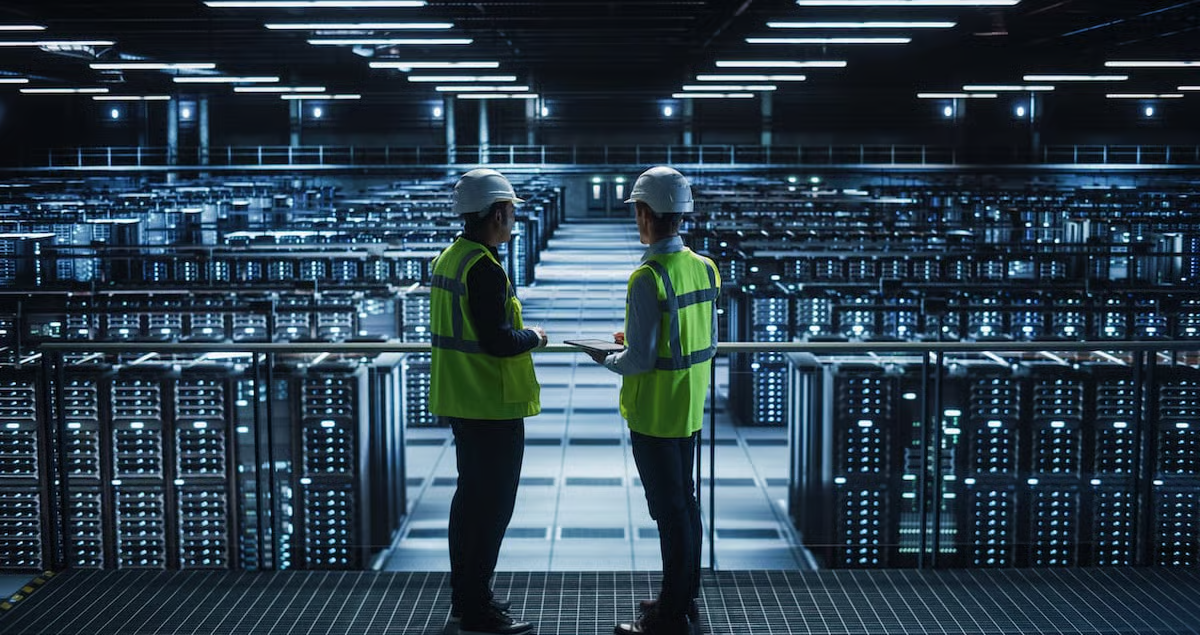
The technology sector is experiencing a paradox. While headlines scream about mass layoffs at major tech companies, a critical shortage is quietly building in one of the most essential areas of digital infrastructure. Datacenters, the physical backbone of our digital world, are facing an unprecedented demand surge, and there simply are not enough skilled professionals to build and maintain them. Countries across the globe are rushing to establish their own datacenter infrastructure. From India's ambitious plans to become a datacenter hub to the European Union's push for data sovereignty, and emerging markets in Southeast Asia and Latin America building their first large scale facilities, the construction boom is just beginning.
Jobs that require you to physically be present will always have a floor that remote and automated alternatives cannot undercut. That is the deepest version of the job security argument and it applies perfectly here.
The Tapas season two English release starting November 2025 was great but then catching up to where translations currently are felt too fast, now it's just waiting again.
The Frieren comparison fatigue is real but in this specific case it actually does help set expectations in a useful way for readers unfamiliar with the genre. Not every comparison is lazy.
The BL (Boys' Love) genre has exploded in popularity over recent years, and isekai stories have dominated manhwa and manga for nearly a decade. Combining these elements seems like an obvious move, yet surprisingly few series have attempted it seriously. Shall I Write You A Love Letter, created by Nickup and Yutae and released on Lehzin in December 2025, takes the familiar otome isekai formula and transforms it into a compelling BL narrative that subverts expectations at every turn. Otome isekai typically features female protagonists transported into romance game worlds where they must navigate relationships with attractive male love interests. The formula has been refined through countless iterations to the point where readers can predict story beats from the first chapter. What makes Shall I Write You A Love Letter noteworthy is how it takes that established framework and examines it through a completely different lens, creating something that feels both familiar and refreshingly new.
The year 2026 marks a pivotal moment in the evolution of manhwa as a medium. What started as a trickle of Korean comics receiving anime adaptations has become a flood, with at least fifteen confirmed projects bringing beloved manhwa to animated life. This explosive growth wasn't accidental but the inevitable result of Solo Leveling's massive success proving that manhwa adaptations can compete with traditional manga anime in quality, popularity, and profitability. Studios across Japan and Korea are investing heavily in manhwa properties, recognizing that Korean storytelling brings fresh perspectives, innovative premises, and built-in fanbases eager to see their favorite series animated. The diversity of genres receiving adaptations demonstrates that manhwa appeal extends far beyond action and fantasy into romance, psychological thriller, sports, and slice-of-life territories.
Completely agree about the emotional intensity. The series never uses a single crowd cheer or team huddle and yet some of those fights hit harder than anything in Haikyuu or Kuroko. Different tools, better results in this specific context.
Lezhin has historically been more comfortable with adult content and morally complex narratives so creators who want to tell darker or more nuanced BL stories tend to gravitate there. The platform's tolerance for ambiguity is basically a feature.
The free tier having a Made in Bolt badge is a completely reasonable business decision and people complaining about it need to relax. You want free hosting and free AI generation and no attribution? That math doesn't work.
Hot take: the developer community gatekeeping around tools like Bolt is less about code quality concerns and more about professional identity anxiety. Which is understandable but should be named for what it is.
The archaeological puzzle element in the tomb exploration sequences is something I have not seen another dungeon manhwa do this well. It makes the exploration feel like it has intellectual stakes beyond just who can hit hardest.
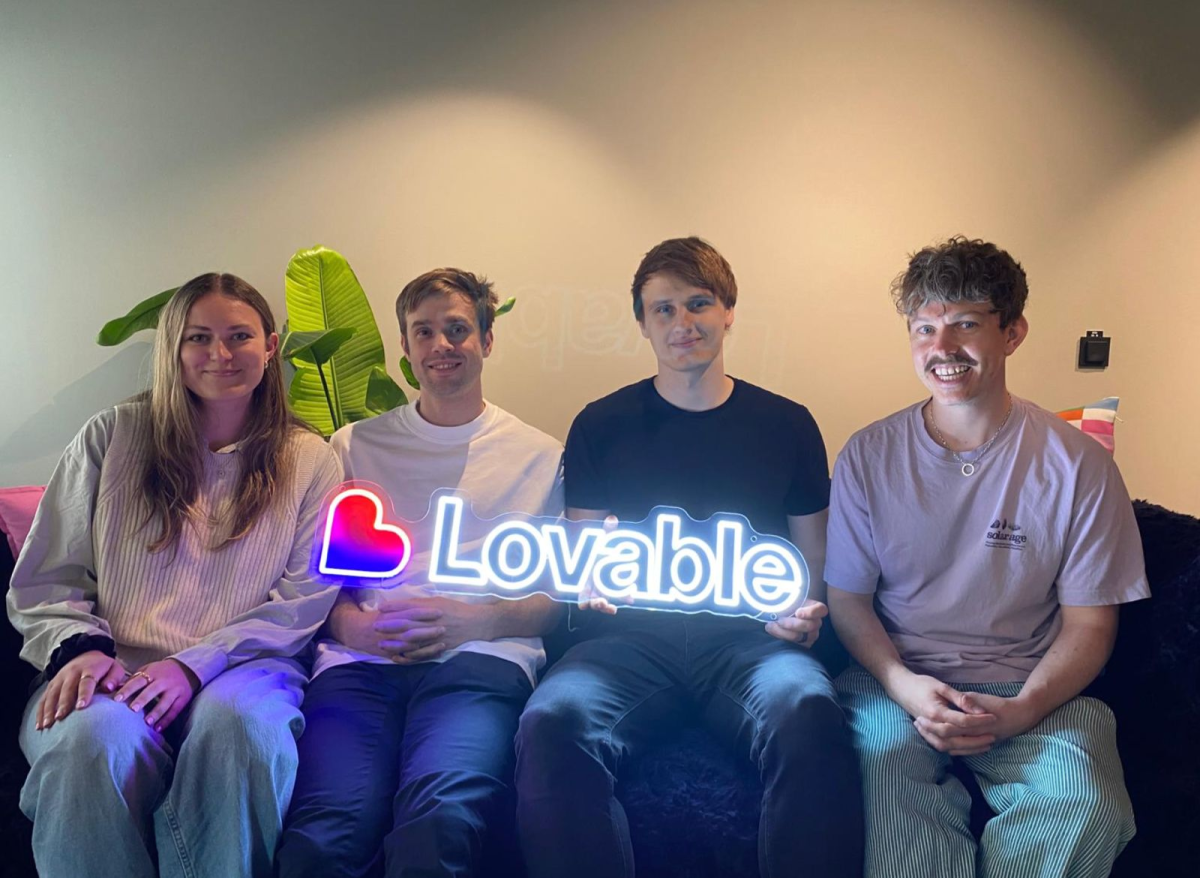
The software development world just witnessed something unprecedented. A European startup called Lovable reached $20 million in annual recurring revenue in just two months, making it potentially the fastest-growing startup in European history. But here's the twist that's making traditional software agencies nervous: they did it by giving non-technical founders the power to build full-stack applications without writing a single line of code. For years, the promise of no-code tools has been the same: anyone can build an app. But the reality has always been different. You'd create a beautiful frontend, get excited about your progress, and then hit the technical cliff. Suddenly you needed to configure databases, set up authentication, manage API keys, and deploy to servers. The "no-code" dream became a "hire-a-developer-anyway" nightmare.
Both companies are burning billions and everyone's acting like the laws of financial gravity don't apply because the technology is impressive. I've seen this movie before and it doesn't always end with the most impressive tech winning.
Unpopular opinion but the FBI and NCA are not wrong about encryption complicating investigations. That is just true. The question is whether the tradeoff is worth it, and reasonable people can disagree on that.
The article positions Meta's ecosystem as a distribution moat and it is correct. But moats get crossed. Google had a moat in search. Microsoft had a moat in productivity software. These things are not permanent and the AI space is moving too fast to assume any current position is durable.
The artificial intelligence industry is entering a new phase of competition, one that extends far beyond the development of advanced language models and neural networks. Companies are now engaged in an intense struggle to secure the computational infrastructure necessary to train and deploy their AI systems. In this context, Anthropic has reportedly begun exploring the possibility of designing and manufacturing its own specialized processors to power Claude, its flagship conversational AI platform, along with its broader suite of artificial intelligence technologies. This strategic consideration emerges at a critical moment in the global AI sector. The exponential growth in model complexity and capability has created unprecedented demand for high-performance computing resources. Sources familiar with the matter indicate that Anthropic is conducting feasibility studies to determine whether developing proprietary semiconductor technology could reduce its dependence on external hardware vendors while ensuring reliable access to the computing power required for its operations.
Hot take: the real story is that GitHub Copilot is losing. It was number one by default because it was first and bundled with VS Code. Now that actual agentic tools are in the market, usage inertia is the only thing keeping Copilot relevant.
In an extraordinary move signaling growing alarm over artificial intelligence capabilities, US Treasury Secretary Scott Bessent and Federal Reserve Chair Jerome Powell jointly summoned the nation's most powerful banking executives to an emergency meeting this week at Treasury headquarters in Washington, DC. The hastily arranged gathering centered on mounting cybersecurity concerns stemming from Anthropic's latest artificial intelligence system, known as Claude Mythos. The San Francisco-based AI company recently disclosed that its newest model demonstrates unprecedented abilities to identify and exploit software vulnerabilities, raising immediate red flags across the financial sector and national security establishment.
Join independent creators, thought leaders, and storytellers to share your unique perspectives, and spark meaningful conversations.